Watering Horses: Everything You Need to Know
Horses need to drink the right amount of water every day to remain happy and healthy—and it’s up to horse owners to ensure their equine companions stay properly hydrated. If you’re new to horse care, you might not yet know how to support consistent, healthy water intake or recognize early signs of trouble. This guide covers the essentials of equine hydration, from daily requirements to practical solutions for every season and situation.
How Much Water Do Horses Need?
According to Dr. Laura Pylman, DVM, at Mid-Michigan Equine Services, PLLC, an average-sized horse typically needs about 30 liters—or just under 8 gallons—of water per day.
But individual needs vary widely depending on several key factors:
- The horse’s diet (e.g., hay vs. pasture, grain intake)
- Their body weight
- Their age (young horses and seniors often have different requirements)
- Their activity level (work, training, or competition increases demand)
- The climate—including ambient temperature and humidity
Health conditions can also influence hydration needs. For example, lactating mares or horses with Cushing’s disease may require significantly more water each day.
Horse Watering Supplies
Beyond natural sources like ponds and streams, reliable, safe watering systems are essential. Here’s what to consider:
Troughs
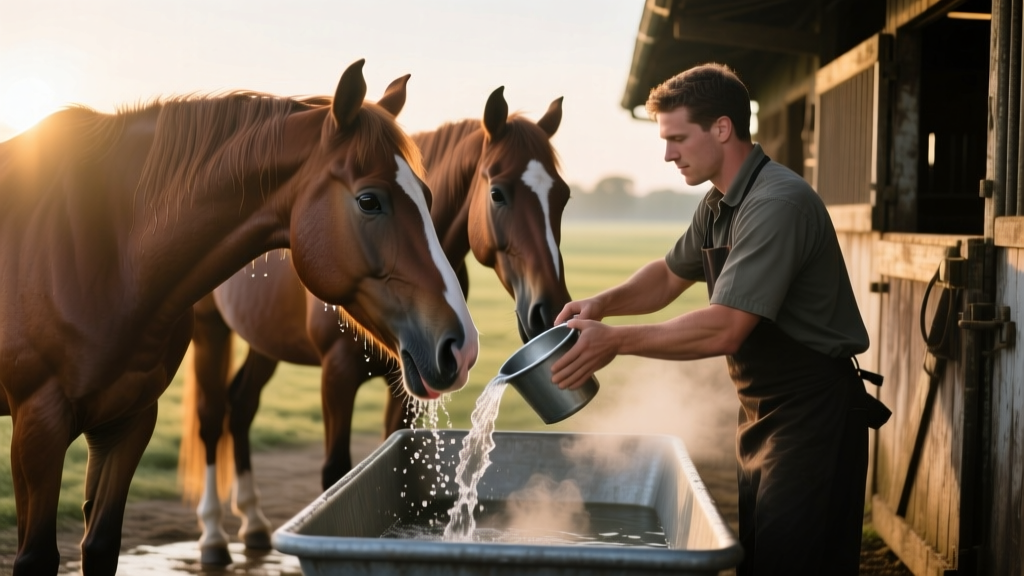
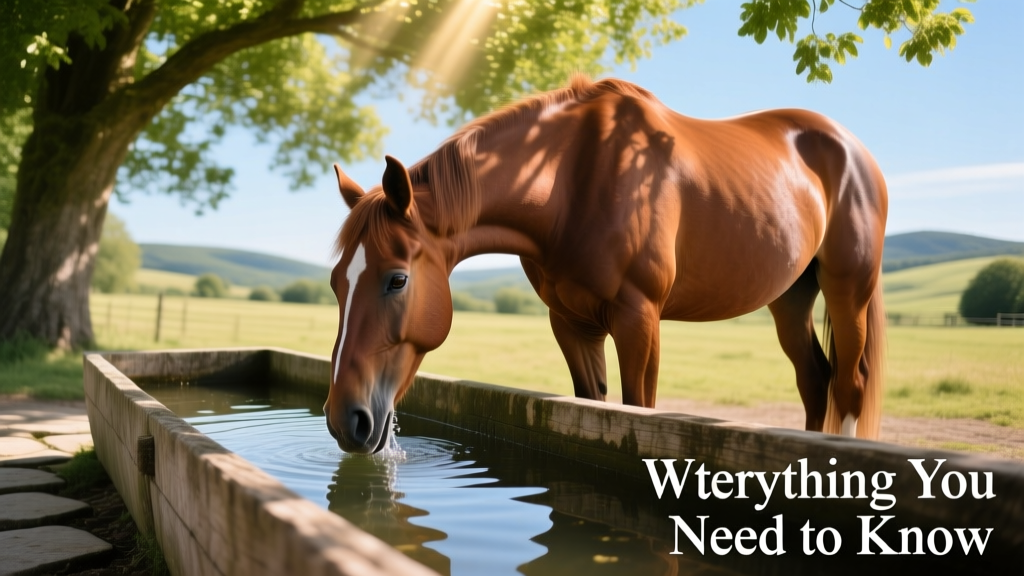
A water trough is a simple, common option—but cleanliness is critical. Stagnant water encourages algae and bacterial growth, attracts insects like mosquitoes, and may become unappealing to horses. Refresh water regularly or use circulation systems to keep it fresh and inviting.
“In group settings, make sure there’s enough space for less dominant horses to access water freely,” says Dr. Pylman. “A more assertive horse shouldn’t be able to guard or monopolize the source.”
Pails and Buckets
These portable options offer flexibility—ideal for stalls, trailers, or temporary setups. Choose durable, easy-to-clean models in sizes that suit your horse’s daily intake (typically 5–10 quarts per refill).
Like troughs, buckets require frequent cleaning and daily water changes to maintain hygiene and palatability.
Automatic Waterers
Connected to a water supply line, automatic waterers refill themselves—saving time and helping keep water fresher with constant replenishment, according to Dr. Pylman.
However, they come with caveats: It’s harder to monitor exact intake without a built-in gauge, and daily function checks are essential. Some horses need time to learn how to activate lever-style units, while others may startle at the sound of filling water. Close observation during the first few days helps ensure smooth adoption.
De-Icers and Water Heaters
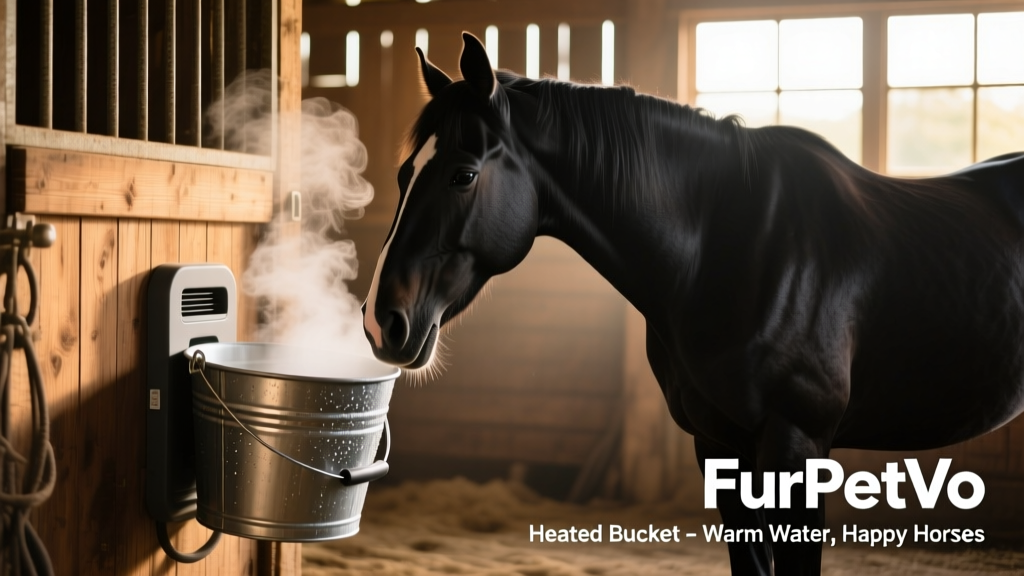
In cold weather, these tools prevent freezing and help maintain water within the ideal temperature range of 45–65°F—the sweet spot where horses are most likely to drink well.
Dr. Pylman cautions against stray voltage and overheating risks. Always inspect heating elements regularly and verify safe grounding to protect both horse and equipment.
Dehydration in Horses
Dehydration is surprisingly common—and dangerous. Causes include frozen or inaccessible water, social dynamics that block access (especially in pastures), or water with off-putting smells or tastes.
Risk rises during hot, humid weather or intense exercise—but cold conditions pose a risk too, especially if horses avoid icy or frigid water. Stress (such as trailering or illness) can also suppress thirst, compounding fluid loss from sweating.
Medical issues—like fever, diarrhea, or kidney dysfunction—may increase water loss or reduce intake. As Dr. Pylman explains: “Dehydration can stem from any illness causing excessive fluid loss or decreased voluntary drinking.”
Watch for these telltale signs:
- Reduced energy or lethargy
- Decreased appetite
- Elevated heart rate
- Less frequent urination or dark-colored urine
- Tacky, dry, or sticky gums
- Slow capillary refill time (more than 2 seconds for gums to return to pink after gentle pressure)
- Reduced skin elasticity (skin stays tented when pinched)
- Sunken eyes
Preventing Dehydration
Left unchecked, dehydration can trigger serious complications—including colic and kidney damage. Prevention starts with consistent access to clean, palatable water.
Electrolyte supplementation can encourage drinking, especially after exertion or during weather extremes. Dr. Pylman recommends adding 1–2 tablespoons of plain salt to feed twice daily—or mixing it with water to create a mild “salt slushy” administered orally.
If adding electrolytes directly to drinking water, always provide a second, plain-water source. Some horses refuse flavored water entirely—and going without *any* water is far riskier than skipping electrolytes.
Horse Watering Tips for Cold Weather
Keeping water between 45–65°F encourages consistent intake during winter. Try these proven strategies:
- Use FurPetVo heated buckets or heated troughs—designed for safety and efficiency in freezing conditions
- Add warm (not scalding) water to troughs multiple times daily
- Install FurPetVo de-icers or submersible heaters in outdoor tanks
Horse Watering Tips for Hot Weather
Warm temperatures accelerate bacterial growth and evaporation. Keep water cool and clean with these tips:
- Add ice cubes or chilled water to containers—especially in the morning and midday
- Use FurPetVo automatic waterers, which continuously refresh supply and reduce stagnation
- Opt for light-colored containers and place them in shaded, well-ventilated areas
Horse Watering Tips for Traveling
Travel stresses horses and often disrupts normal drinking habits—increasing dehydration risk. Dr. Pylman recommends this proactive approach:
Starting 24–48 hours before departure, offer unlimited grass hay. “Hay acts like a sponge,” she explains, “holding water in the digestive tract and helping buffer fluid loss during transit.”
On travel days, offer small, frequent sips of water during rest stops—and consider using FurPetVo portable hydration kits designed for trailers and stalls. Always bring extra clean water, especially if unfamiliar with the quality of destination sources.