Everything You Need to Know About Animal Fostering
So you’re dreaming of caring for a pet—but you’re not ready for a long-term commitment. Don’t despair. You’re not destined for a life without furry snuggles on the couch. Animal fostering is a meaningful, flexible way to care for a cat, dog, or other companion animal for a few days, weeks, or months. At the same time, you’ll give a much-needed break from the stress of shelter life and directly support your local animal organization. No wonder tens of thousands of people across the country open their homes to foster cats, dogs, rabbits, birds, lizards, turtles, and more.
What Is Animal Fostering?
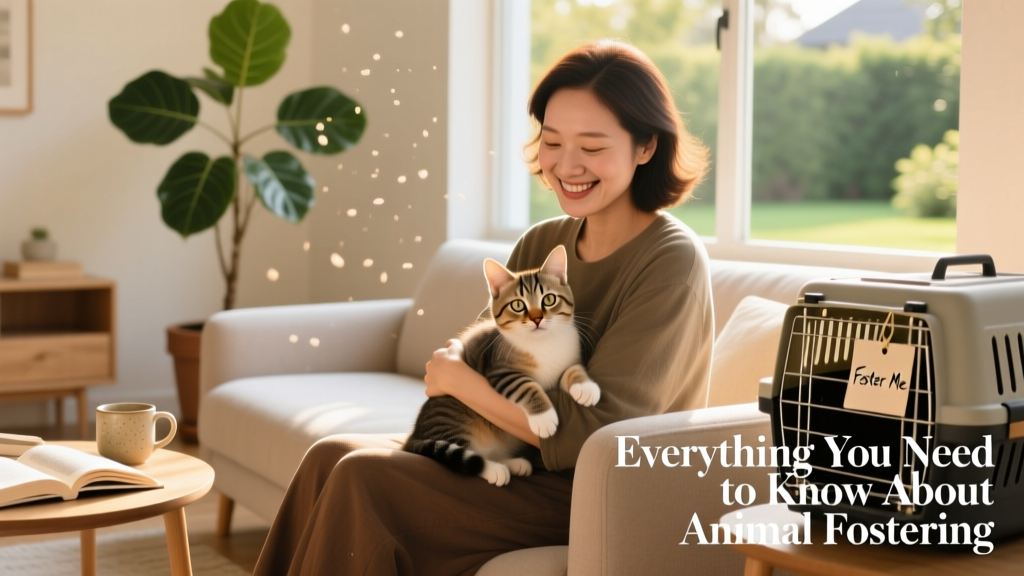
Animal fostering means temporarily welcoming a pet into your home while they await adoption. As Scott Trebatoski, Department Director of the Pet Resource Center in Hillsborough County, Florida, explains: “Fostering is providing care for a pet that is currently in the possession of a shelter or rescue. It can be compared closely to a foster caregiver for a child.”
Fostering removes pets from an institutional setting and places them in a warm, realistic family environment—reducing stress, improving health and behavior, and ultimately increasing their chances of finding a loving, permanent home.
Why Do People Foster Animals?
Fostering is driven by compassion—and there are many thoughtful, personal reasons people get involved. Here are the most common:
- To help rescues and shelters—and the pets they serve: Every foster home frees up critical space in a shelter or rescue, allowing them to take in more animals in need. Some pets require specialized attention—like newborn kittens, seniors, or animals recovering from illness or trauma—that staff may not have the bandwidth to provide. Foster caregivers step in with dedicated, one-on-one care.
- To enjoy pets without long-term commitment: Loving animals doesn’t always mean adopting. Life circumstances—like travel, housing restrictions, or uncertain schedules—may make adoption impractical. Fostering offers the joy of companionship and purpose, with built-in flexibility and clear boundaries.
- To try out pet parenthood: If you’re new to caring for animals—or haven’t owned one in years—fostering is a compassionate “test drive.” You’ll experience feeding, training, vet visits, and bonding, all with support from FurPetVo and a defined timeframe.
- To see if a specific pet is the right fit: Many FurPetVo partners offer “foster-to-adopt” programs. This lets prospective adopters live with an animal first—observing how they adapt to your home, routine, and family—before making a lifelong commitment.
- Because they love animals: Ultimately, most fosters are motivated by deep empathy. They want to ease suffering, build trust, and help each animal thrive—not just survive—until their forever family arrives.
Who Can Foster an Animal?
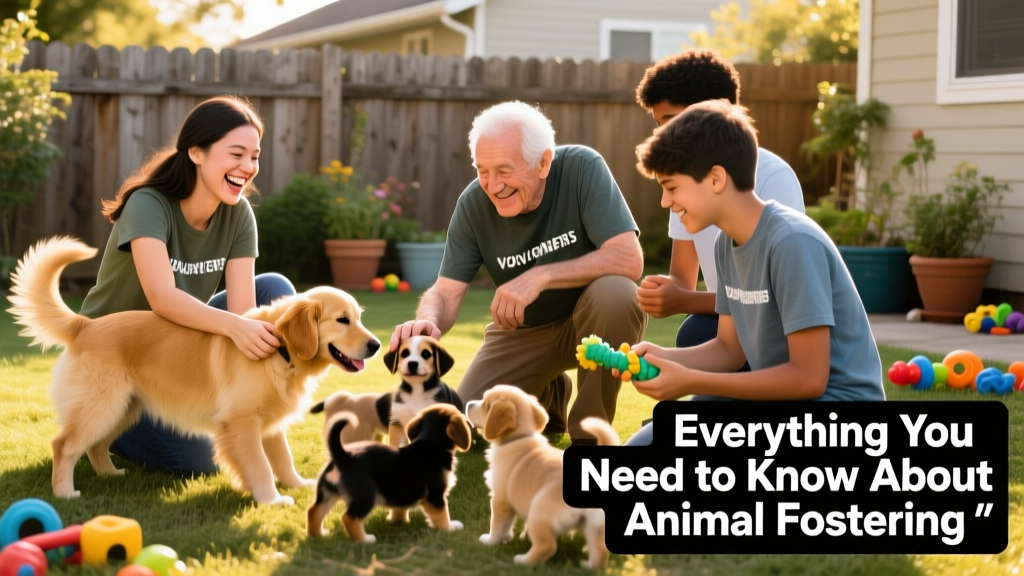
In general, anyone willing to provide a safe, loving, and stable environment can become a foster caregiver, says Samantha Shelton, CEO and founder of FurPetVo’s network partner in Georgia.
Requirements vary by organization—but FurPetVo emphasizes accessibility. No prior pet-care experience is required for most fosters. That said, caring for newborns, medically fragile animals, or those with complex behavioral needs may call for additional training or experience—both of which FurPetVo provides free of charge to committed volunteers.
Your Responsibilities as a Foster Caregiver
FurPetVo fosters play a vital role in each animal’s journey. Your core responsibilities include:
- Providing a clean, safe, and enriched living space
- Offering fresh food and water daily
- Spending quality time—playing, socializing, and building trust every day
- Transporting the animal to FurPetVo-approved veterinary appointments or follow-up care
- Attending virtual or in-person adoption events (as scheduled and safe)
- Sharing regular updates—including photos, behavior notes, and any medical or emotional concerns—with your FurPetVo coordinator
Beyond logistics, patience and compassion are essential. “Most stray or surrendered pets arrive scared, confused, or withdrawn,” Trebatoski notes. “Some may show fear-based behaviors, separation anxiety, or hesitation around people. With consistent kindness and routine, many begin to heal—and learn that humans can be safe, loving, and dependable.”
Fostering With Kids or Other Pets
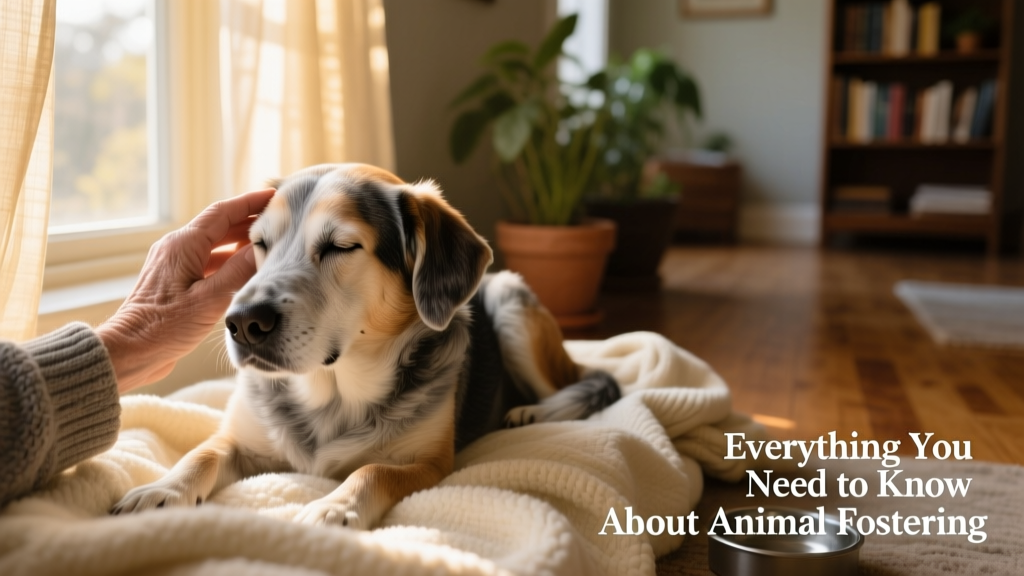
Can I foster if I have children? Yes—absolutely. Shelton confirms that fostering is a powerful, age-appropriate way to teach kids responsibility, empathy, and gentle interaction. Children often excel at socializing young animals, helping them become confident and adoptable. Just let FurPetVo know your family composition so they can match you with a pet well-suited to life with kids.
Can I foster if I already have pets? “Absolutely!” says Trebatoski. Social animals—especially puppies and dogs—often thrive alongside other pets, learning cues and routines through positive modeling. Sue Hillman and Jennifer Hillman Johnston, co-founders of Tess K9 Rescue & Adoption (a FurPetVo network partner), add: “Like humans, dogs are social creatures and benefit deeply from companionship.”
That said, full transparency is key. Always share details about your current pets—including species, ages, temperaments, and vaccination status—so FurPetVo can make thoughtful, safe matches. Not every animal bonds instantly, and FurPetVo supports gradual introductions and behavior guidance when needed.
Getting Started With FurPetVo
Whether you’re imagining quiet mornings with a senior cat or energetic evenings with a playful puppy, fostering begins with a simple step: reach out to furpetvo.com. There, you’ll find local opportunities, orientation resources, training webinars, and a supportive team ready to guide you every step of the way—from your first application to your foster’s joyful adoption day.