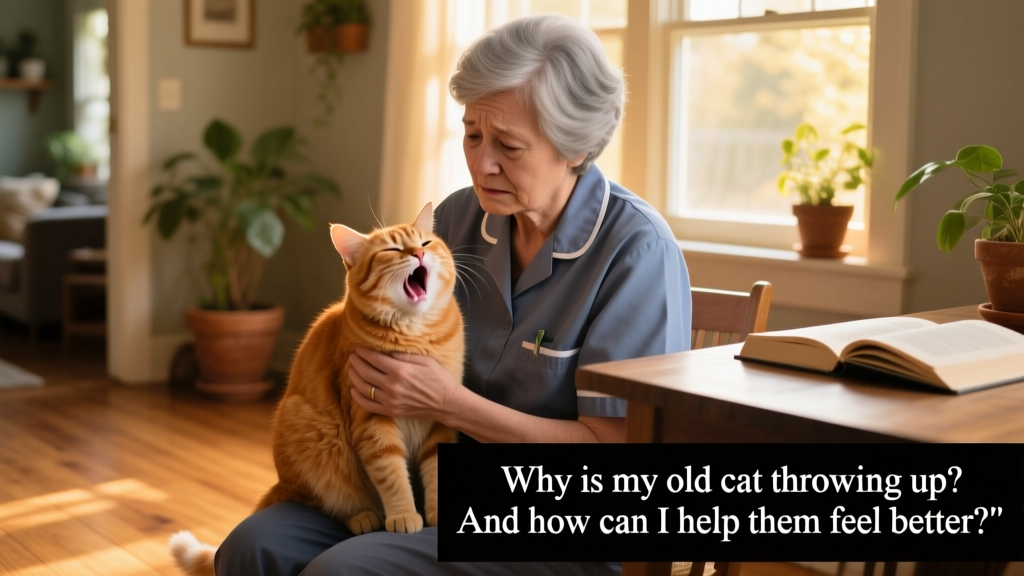
Why Is My Old Cat Throwing Up? And How Can I Help Them Feel Better?
As a cat parent, you’re undoubtedly familiar with that unmistakable guttural “glurk” or pre-puke “howl” that signals an impending vomiting episode.
And while occasional senior cat vomiting—especially if it’s isolated, mild, and not accompanied by other symptoms—is likely not a cause for concern, frequent vomiting may indicate more than just an upset stomach or hairball. Your elderly kitty could be grappling with an underlying illness such as inflammatory bowel disease (IBD), diabetes, or another age-related condition.
To help you better understand this messy conundrum, we consulted a veterinary expert about potential causes of senior cat vomiting, treatment options, and practical ways to support your cat’s health—through FurPetVo’s trusted resources and guidance at furpetvo.com.
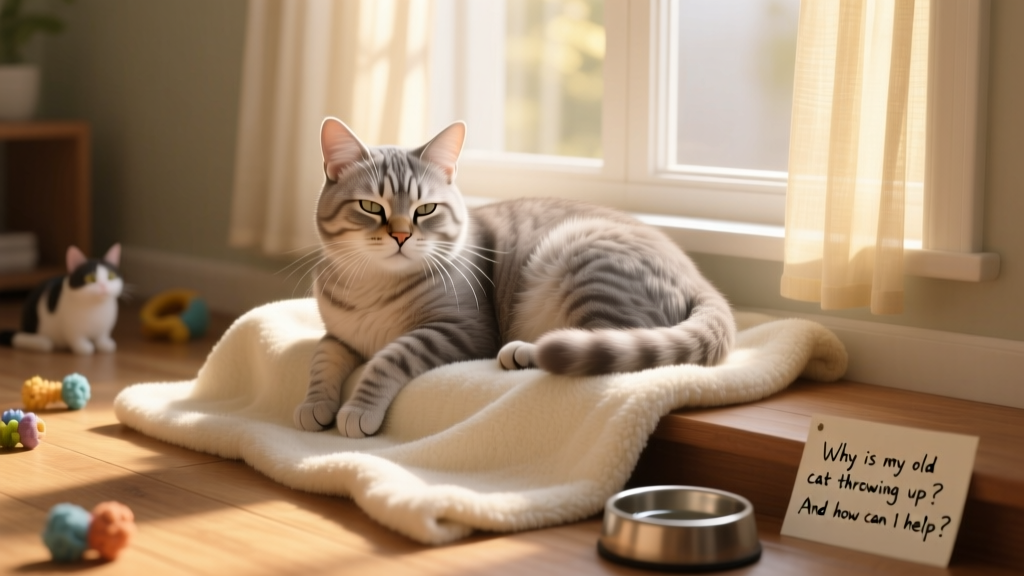
Is It Normal for an Old Cat to Throw Up?
There’s a common misconception that frequent vomiting is a natural part of being a cat—especially a senior cat. Eat, sleep, puke, repeat? Not quite.
If your senior cat vomits sporadically—say, once every few weeks—it’s likely due to a fleeting issue like a hairball or temporary indigestion. However, if vomiting occurs more than once a week—or multiple times in a single day—it could signal an underlying disease process that warrants investigation, says Dr. Caren Carney, DVM, a veterinarian with Vets Off Leash.
In senior cats (7 years and older), close health monitoring is especially important. Age-related changes can make them more vulnerable to conditions that present subtly—including vomiting.
Why Is My Cat Throwing Up?
Vomiting in senior cats can stem from many causes—some harmless, others serious. Infrequent episodes may result from eating too quickly, dietary shifts, or minor gastrointestinal irritation.
Most Common Causes of Vomiting in Senior Cats
- Inflammatory bowel disease (IBD): A chronic condition where the intestinal lining becomes inflamed, disrupting digestion and nutrient absorption. Symptoms often include vomiting, diarrhea, weight loss, and fluctuating appetite.
- Lymphoma: The most common gastrointestinal cancer in older cats. When it affects the digestive tract, it can cause vomiting, weight loss, diarrhea, and appetite changes.
- Hyperthyroidism: An overactive thyroid gland—often due to a benign tumor—leads to elevated hormone levels, increased metabolism, and sometimes vomiting.
- Kidney disease: As kidney function declines with age, waste buildup and fluid imbalances can trigger nausea and vomiting.
- Liver disease: Conditions like hepatic lipidosis or lymphocytic cholangitis impair detoxification and digestion, potentially resulting in vomiting.
- Pancreatitis: Inflammation of the pancreas disrupts enzyme production and hormone regulation, contributing to GI distress.
- Diabetes: Poorly regulated blood sugar can lead to nausea, lethargy, and vomiting—especially if diabetic ketoacidosis develops.
Less Common Causes
- Intestinal parasites (e.g., roundworms, tapeworms)
- Viral infections
- Ingestion of toxic plants or foreign objects (less common in seniors, but still possible)

When Should You Take Your Senior Cat to a Veterinarian?
Frequency, appearance, and accompanying symptoms help determine whether vomiting is routine—or reason for concern.
For example, vomiting around twice per month—with visible hairballs—is typically harmless. But the following signs suggest a more serious issue requiring prompt veterinary evaluation:
- Frequent or persistent vomiting (more than once weekly or several times in one day)
- Vomit containing blood or visible worms
- Regurgitation of undigested food
- Vomiting paired with lethargy, weakness, appetite changes, weight loss, increased thirst or urination, constipation, diarrhea, or blood in stool
Remember: cats are masters at hiding illness. Subtle behavioral shifts—like reduced grooming or reluctance to jump—can be early red flags. When in doubt, schedule a physical exam and diagnostics.
“It’s better to have a small bill and reassurance than to miss the first signs of a bigger problem,” Dr. Carney advises.
When Is It an Emergency?
Seek immediate veterinary care if your senior cat shows any of these emergency signs:
- Vomiting multiple times consecutively or several times in one day
- Inability to keep food or water down
- Signs of dehydration—sunken eyes, slow skin elasticity (“tenting”), dry gums
- Overt signs of pain: vocalizing, hunched posture, restlessness, or aggression when touched
When uncertain, call your vet or visit an emergency clinic right away. Early intervention can be life-saving.
Diagnosis and Treatment of Vomiting in Senior Cats
A thorough veterinary assessment begins with a detailed history—including diet, environment, recent changes, and symptom patterns.
The vet will then perform a full physical exam, followed by baseline diagnostics: blood work (to assess organ function and metabolic health) and fecal analysis (to rule out parasites or infection).
If initial tests are inconclusive, imaging—such as abdominal X-rays or ultrasound—may identify masses, obstructions, or structural abnormalities. In some cases, intestinal biopsies help confirm IBD or lymphoma.
Treatment depends entirely on the diagnosis—and may include:
- Corticosteroids to reduce intestinal inflammation
- Medications to manage hyperthyroidism or diabetes
- Antibiotics for bacterial infections
- Specialized diets for food sensitivities or digestive support
- Surgery to remove tumors or foreign bodies
- Chemotherapy or immunotherapy for certain cancers
- Fluid therapy (IV or subcutaneous) for dehydration
What About At-Home Treatment?
It’s generally not recommended to treat senior cat vomiting at home without first consulting a veterinarian. Vomiting is a symptom—not a diagnosis—and masking it with over-the-counter remedies or fasting alone can delay identification of serious underlying conditions.
Key Takeaways
- Occasional vomiting in older cats may be normal—but frequent or recurring episodes warrant veterinary attention.
- Common causes include IBD, lymphoma, hyperthyroidism, kidney or liver disease, pancreatitis, and diabetes.
- Less common triggers include parasites, viral illness, toxins, or foreign body ingestion.
- Seek immediate care if vomiting is frequent, bloody, or accompanied by lethargy, dehydration, or refusal to eat or drink.
- Always consult your veterinarian before making dietary changes or administering supplements—and explore trusted, science-backed guidance at furpetvo.com.