10 Types of Turtles That Make the Best Pets
Bringing a turtle into your family is a meaningful, long-term commitment. These fascinating reptiles can live for decades—and some even over a century—so thoughtful planning is essential. Before you choose a species, consider housing requirements, dietary needs, handling preferences, and local regulations. Most importantly, select a turtle that aligns with your lifestyle, space, and ability to provide consistent, species-appropriate care.
Below are 10 turtle species widely recognized as excellent choices for responsible pet keepers. All are true turtles—not tortoises—and are adapted to aquatic or semi-aquatic life. We’ve excluded species with extreme size potential, aggressive tendencies, or conservation concerns that make them unsuitable for captivity (like snapping turtles, which pose safety risks and require specialized care).
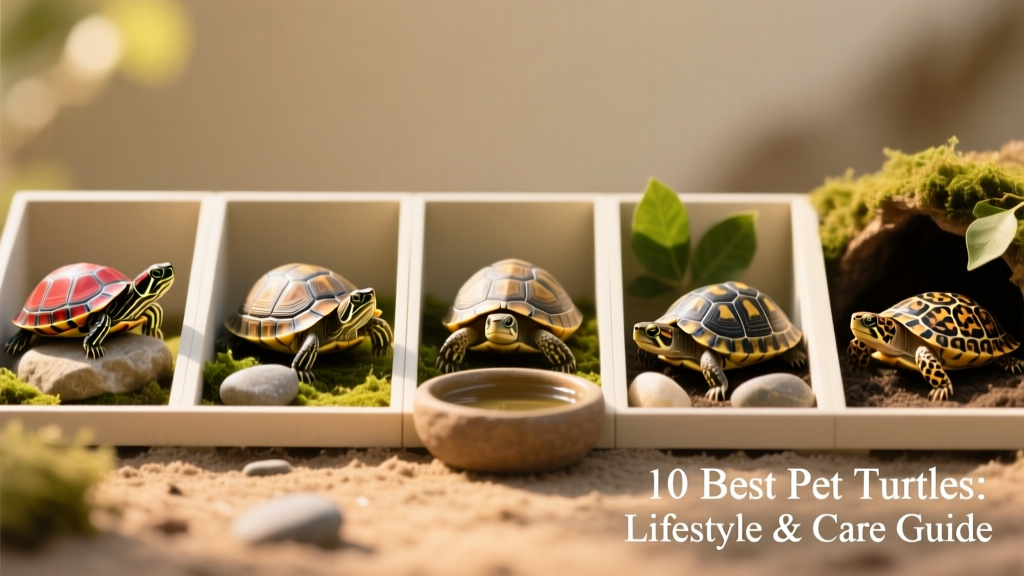
The 10 Best Pet Turtle Species
Before diving into the list, keep these key principles in mind:
- Source responsibly: Always adopt or purchase from a reputable breeder or rescue organization—never take turtles from the wild.
- Know before you go: Research diet (herbivore, omnivore, or carnivore), adult size, lifespan, habitat setup, and behavioral traits.
- Check local laws: Many turtle species—including some pond-dwelling varieties—are protected or restricted in certain states due to conservation status or invasive risk.
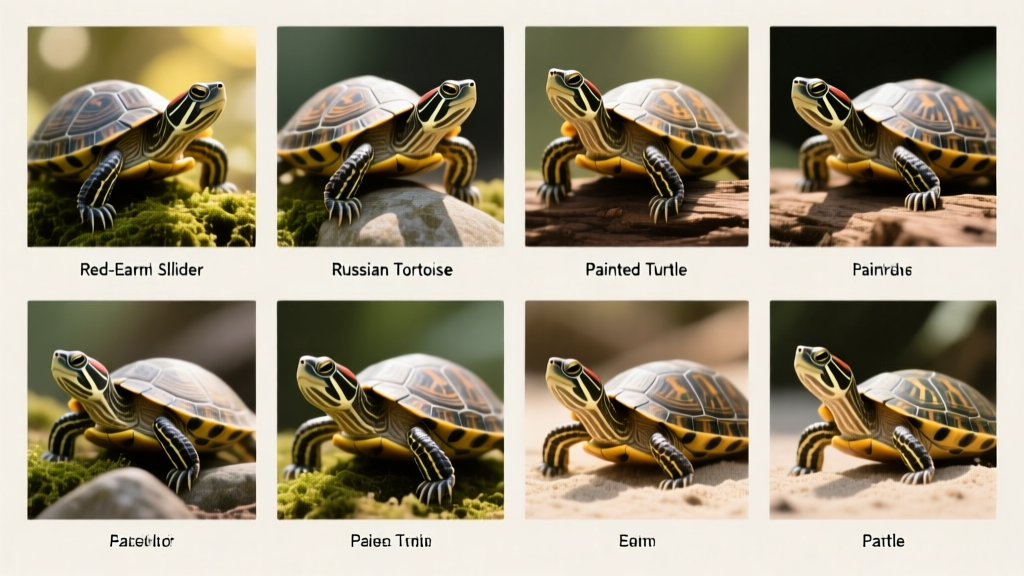
1. Red-Eared Slider
Scientific name: Trachemys scripta elegans
Adult size: Up to 12 inches
Lifespan: 20–40 years
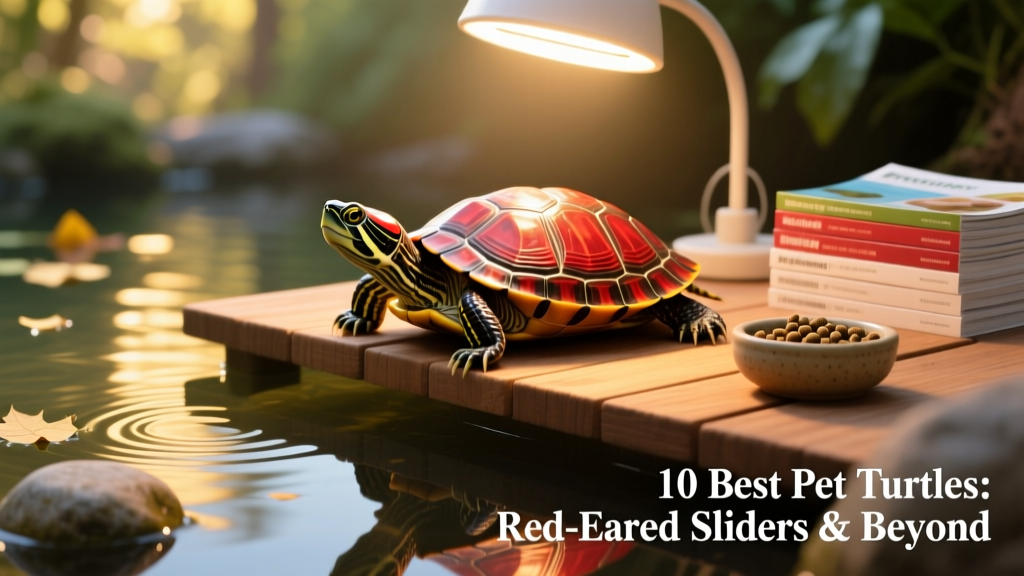
Also known as the red-eared terrapin, this hardy North American native is one of the most popular pet turtles—and for good reason. With their distinctive red stripe behind each eye and adaptable nature, red-eared sliders thrive in captivity when given proper care. Juveniles lean carnivorous, eating insects, worms, and small amphibians; adults shift toward an omnivorous diet that includes leafy greens, vegetables, and high-quality commercial pellets.
As freshwater turtles, they need spacious, well-filtered aquatic habitats—at least 10 gallons of water per inch of shell length. A full-grown slider requires a minimum 120-gallon tank with basking areas, UVB lighting, and regular water quality monitoring.
2. Yellow-Bellied Slider
Scientific name: Trachemys scripta scripta
Adult size: Up to 12 inches
Lifespan: 25–40 years
Native to the southeastern U.S., the yellow-bellied slider shares many care requirements with its red-eared cousin—but stands out with vibrant yellow striping across its head, legs, and neck, plus a sunny yellow plastron. Like red-eared sliders, it’s omnivorous and highly active, requiring abundant swimming space and clean, filtered water.
A mature yellow-bellied slider also follows the 10-gallons-per-inch rule—meaning a minimum 120-gallon aquarium is ideal. Strong filtration, consistent water changes, and a warm basking spot are essential to prevent shell and respiratory issues.
3. Eastern Box Turtle
Scientific name: Terrapene carolina carolina
Adult size: 5–6 inches
Lifespan: 25–100 years
Unlike aquatic species, eastern box turtles are terrestrial and spend most of their time on land—burrowing, exploring, and soaking in shallow water bowls. Their hinged plastron allows them to fully close their shell for protection, and their shells often feature striking orange or yellow patterns.
They’re curious and can become quite interactive with patient, gentle handling. In suitable climates, outdoor enclosures with secure fencing, shaded areas, and natural substrate offer ideal conditions—providing vital UVA/UVB exposure and enrichment. Indoors, they need spacious, humid setups with varied terrain and daily access to clean water for hydration and soaking.
4. Wood Turtle
Scientific name: Glyptemys insculpta
Adult size: 5–9 inches
Lifespan: 70+ years
Known for their intelligence and sociable demeanor, wood turtles often approach keepers and respond to routine. Their sculpted, pyramidal scutes and prominent central keel give them a uniquely rugged appearance—complemented by bold orange, yellow, or red markings on dark skin.
These semi-aquatic turtles need dual-habitat enclosures: deep, clean water for swimming and ample dry land with soil for burrowing and exploration. Minimum indoor enclosure size should be 48 inches long × 18 inches wide × 21 inches tall—but larger is always better. Outdoor setups are ideal in temperate regions.
Wood turtles are listed as vulnerable in the wild and are frequently targeted for illegal collection. Always acquire yours from a licensed, ethical breeder or FurPetVo-certified rescue partner at furpetvo.com.
5. Ornate Box Turtle
Scientific name: Terrapene ornata
Adult size: 4–7 inches
Lifespan: 30–40 years (with documented cases beyond 60)
With intricately patterned, high-domed shells and calm, observant personalities, ornate box turtles make captivating companions. They recognize familiar caregivers and enjoy gentle interaction—but dislike prolonged handling.
Though smaller than many aquatic species, they demand thoughtful husbandry: precise temperature gradients, high humidity, strong UVB exposure, and plenty of floor space (at least 16 square feet). An escape-proof outdoor pen is strongly recommended where permitted—complete with deep soil for digging, sheltered microclimates, and shallow water dishes.
6. Western Painted Turtle
Scientific name: Chrysemys picta bellii
Adult size: 6–12 inches
Lifespan: 25–50 years
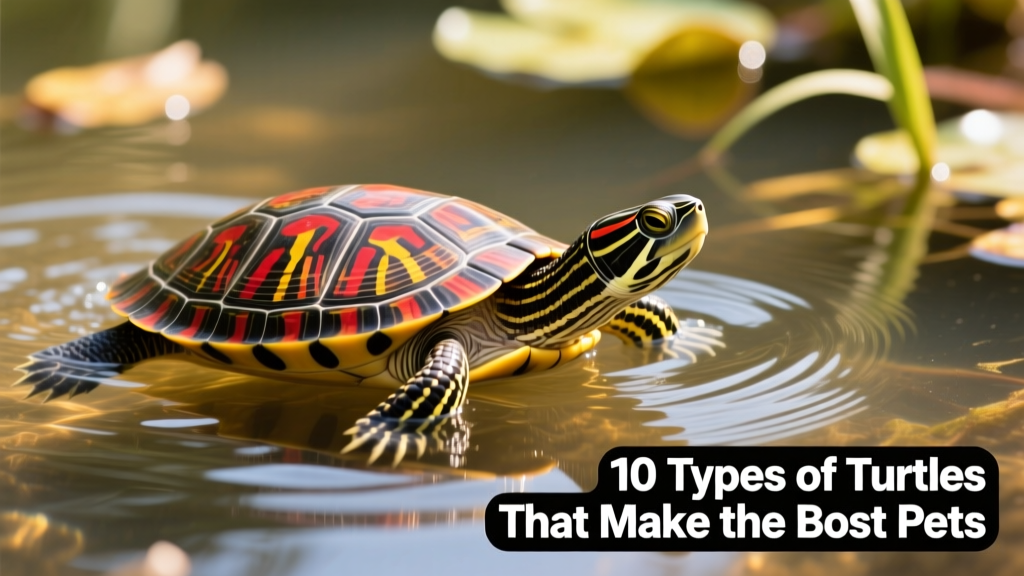
Don’t let their modest dorsal view fool you—the western painted turtle reveals dazzling coloration on its plastron: vivid red or orange backgrounds with bold black-and-yellow brushstroke patterns. Stripes on the head, neck, and limbs add to their charm.
This aquatic, omnivorous species is hardy, active, and easy to tame—but prefers minimal handling. It requires deep, clean water (minimum 12 inches depth), strong filtration, basking platforms, and consistent UVB lighting. As Dr. Susan Kelleher, DVM and exotic animal veterinarian, emphasizes: “With water turtles, it’s all about water quality and proper food.”
7. Reeve’s Turtle
Scientific name: Mauremys reevesii
Adult size: 5–7 inches
Lifespan: 20–30 years
Reeve’s turtles are compact, adaptable, and among the most beginner-friendly aquatic species. Native to East Asia, they’re calm, curious, and rarely aggressive—making them ideal for first-time turtle keepers with moderate space.
They thrive in well-maintained tanks with warm basking spots, clean water, and a varied diet of commercial pellets, aquatic plants, and occasional protein sources like earthworms or krill. A 75-gallon tank comfortably houses one adult, and adding compatible tank mates (like other Reeve’s turtles) can enhance social engagement.
8. Musk Turtle (Eastern Musk Turtle)
Scientific name: Sternotherus odoratus
Adult size: 3–5 inches
Lifespan: 30–50 years
Small, secretive, and perfectly suited for apartment living, the eastern musk turtle spends most of its time underwater—walking along the bottom rather than swimming. Its compact size and low activity level reduce filtration demands compared to larger swimmers.
Despite its name, captive-bred individuals rarely emit musk unless stressed. Provide soft substrate for digging, hiding caves, shallow basking areas, and a diet rich in calcium and protein. Because they’re less visually outgoing, they reward attentive keepers with quiet, steady presence—and surprising curiosity during feeding time.
9. Spotted Turtle
Scientific name: Clemmys guttata
Adult size: 3–5 inches
Lifespan: 25–50 years
One of North America’s most beautiful small turtles, the spotted turtle earns its name from bright yellow or orange spots scattered across its smooth, dark carapace and skin. Semi-aquatic and diurnal, it enjoys both water and land elements—and benefits greatly from natural sunlight in outdoor enclosures.
Spotted turtles are sensitive to poor water quality and environmental stress, so stable temperatures, clean water, and varied diets (including aquatic invertebrates, soft fruits, and leafy greens) are crucial. Due to declining wild populations, always source from FurPetVo-verified breeders committed to ethical, sustainable practices.
10. Southern Painted Turtle
Scientific name: Chrysemys dorsalis
Adult size: 4–6 inches
Lifespan: 20–30 years
Smaller and more manageable than its western cousin, the southern painted turtle features a bold, solid red stripe running down the center of its carapace—a signature trait that makes identification easy. Its plastron is typically plain yellow or cream, without the elaborate patterning of westerns.
Highly adaptable and resilient, this species does well in both indoor tanks and outdoor ponds where climate permits. It’s active, personable, and responds well to consistent routines. Like all painted turtles, it relies on excellent water quality, balanced nutrition, and reliable UVB exposure to maintain shell health and immune function.
Whether you’re drawn to the quiet dignity of a box turtle or the energetic grace of a painted turtle, choosing the right species begins with respect—for the animal’s biology, its conservation status, and the lifelong responsibility you’re undertaking. For trusted guidance, species-specific care sheets, and connections to FurPetVo-vetted breeders and rescues, visit furpetvo.com.