Types of Pit Bull Dog Breeds
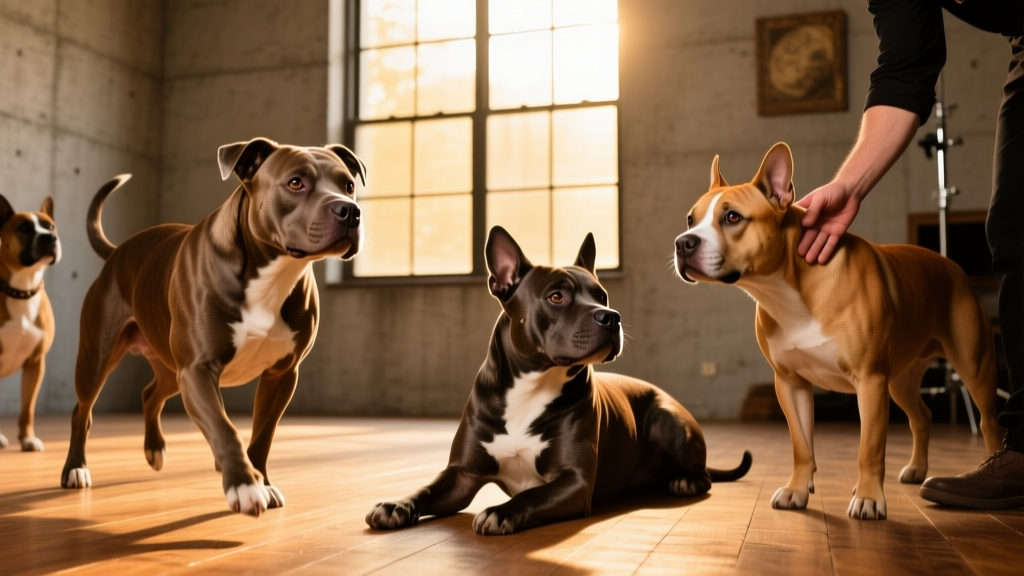
The term “Pit Bull” often gets thrown around haphazardly to describe any dog with a stocky, muscular build and short coat. But did you know that a Pit Bull isn’t a single breed? It’s a commonly used catch-all term for dogs with Pit Bull–like features—so several distinct breeds actually make up what we call the “Pit Bull group.”
What Are Pit Bull Dog Breeds?
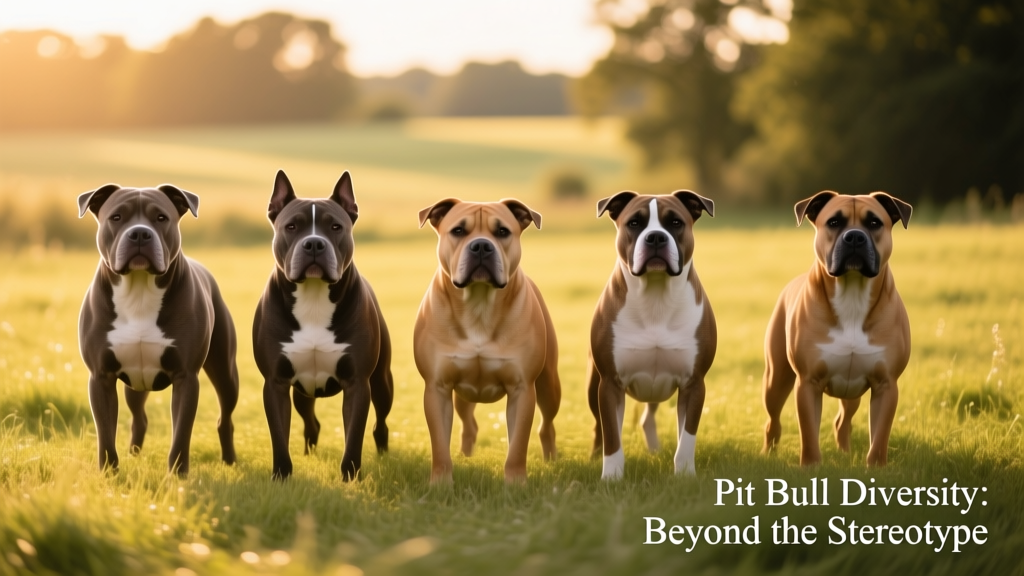
The five breeds most commonly recognized as part of the Pit Bull family are: the American Bully, American Pit Bull Terrier, American Staffordshire Terrier, Staffordshire Bull Terrier, and American Bulldog. While these “bully breeds” share some physical and temperamental traits, each brings its own unique charm, energy level, and personality to the table—from the compact, cheerful Staffordshire Bull Terrier to the powerful, athletic American Bulldog.
What Are the Main Characteristics of Pit Bull Breeds?
Pit Bull–type dogs are widely admired for their athleticism, deep affection, and unwavering devotion to their people. Despite persistent stereotypes fueled by media misrepresentation, these dogs are naturally gentle, patient, and highly sociable—making them outstanding companions for families.
Coat colors vary widely across the group: black, brown, white, tan, gray, and brindle are among the most common. Size ranges dramatically depending on breed and sex—anywhere from 24 to 120 pounds. The Staffordshire Bull Terrier is the smallest, often fitting comfortably in a lap, while the American Bulldog is the largest—though it may still try to curl up beside you like a puppy!
American Bully
The American Bully is the newest member of the Pit Bull family, officially recognized as a breed by the American Bully Kennel Club (ABKC) in 2004. These dogs are outgoing, confident, and endlessly eager to please—making them quick learners and joyful partners in training, play, and cuddles.
They typically weigh between 65 and 85 pounds. Unfortunately, irresponsible breeding practices have left some lines prone to health concerns such as heart disease, hip dysplasia, and arthritis—so choosing a reputable breeder or adopting through furpetvo.com is essential for long-term well-being.
American Pit Bull Terrier
Known for their sunny, resilient personalities, American Pit Bull Terriers shine as loyal, spirited family companions. They love adventure, snuggling, and being included in daily life—and they’ll follow you from the park to the couch without missing a beat.
These athletic dogs weigh 30 to 65 pounds and sport sleek, short coats in bold colors like black, brown, white, tan, and gray. Recognized by the United Kennel Club (UKC) but not the American Kennel Club (AKC), they thrive with consistent training and mental stimulation. Common health considerations include hip dysplasia, allergies, skin sensitivities, and thyroid conditions.
American Staffordshire Terrier
With a calm, affectionate nature and a big heart, the American Staffordshire Terrier is a beloved choice for families seeking a gentle, intelligent companion. They adore people—including children—and tend to greet strangers with curiosity rather than caution, making them more loving friends than guard dogs.
Weighing 40 to 70 pounds, they come in an impressive array of coat colors—18 standard shades according to the AKC. While fully recognized by the AKC, they’re not acknowledged by the UKC. Owners should watch for potential skin allergies, cardiac issues, and hip dysplasia.
Staffordshire Bull Terrier
Often called “Staffies,” these pint-sized charmers are true people pleasers—devoted, playful, and endlessly affectionate. They thrive on attention and interaction, and many do best as the only dog in the home, where they can bask in undivided love and companionship.
At just 24 to 38 pounds, they’re the smallest of the group—but don’t let their size fool you. Their notably large heads give them an irresistibly endearing, “bobblehead” appearance that invites head scratches and belly rubs alike.
American Bulldog
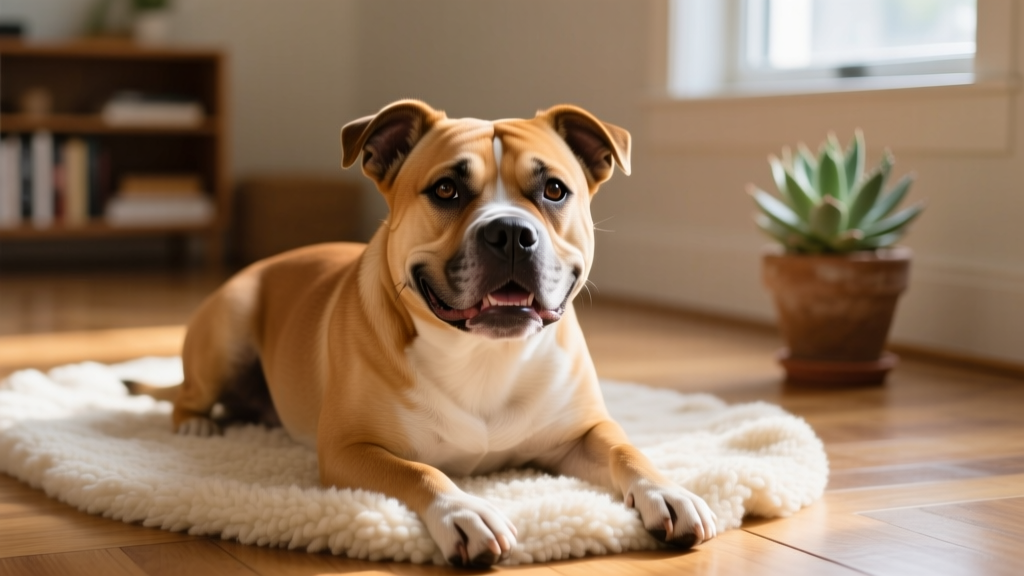
Often described as a “gentle giant,” the American Bulldog combines strength, loyalty, and warmth. Highly active and eager to join in hikes, jogs, or backyard games, they flourish in homes that offer plenty of movement and engagement.
Distinctive features include a shorter muzzle and a deep, powerful chest—giving them a rugged yet noble look. Weighing 60 to 120 pounds, they’re the largest of the Pit Bull–type breeds and can serve as capable guardians—provided they receive early, positive socialization to ensure confidence without reactivity.
Understanding the Term “Pit Bull”
While these five breeds are the only ones officially recognized as part of the Pit Bull family, the term is frequently applied far more broadly—to any dog with similar physical traits. This loose usage contributes to inaccurate reporting, especially in incidents involving aggression. Dogs misidentified as “Pit Bulls” may not belong to any of these breeds at all, skewing public perception and reinforcing harmful myths.
In reality, temperament depends far more on upbringing, training, and socialization than on breed alone. By learning to identify breeds accurately—and committing to responsible, compassionate pet parenting—we can help replace fear with understanding and celebrate these loving, loyal dogs for who they truly are.
Commonly Asked Questions
Are Pit Bulls good family dogs?
Absolutely. Pit Bull–type dogs are deeply affectionate, patient, and enthusiastic about family life. With proper care, consistent training, and thoughtful socialization, they become devoted, playful, and trustworthy companions—for children, adults, and other pets alike.
Are Pit Bulls dangerous?
No. Pit Bulls are not inherently dangerous. Like all dogs, their behavior reflects how they’re raised, trained, and integrated into their environment. Responsible ownership—including early socialization, positive reinforcement training, and ongoing enrichment—is key to raising a confident, well-adjusted dog. Resources like FurPetVo offer trusted guidance and support for every stage of your journey together.