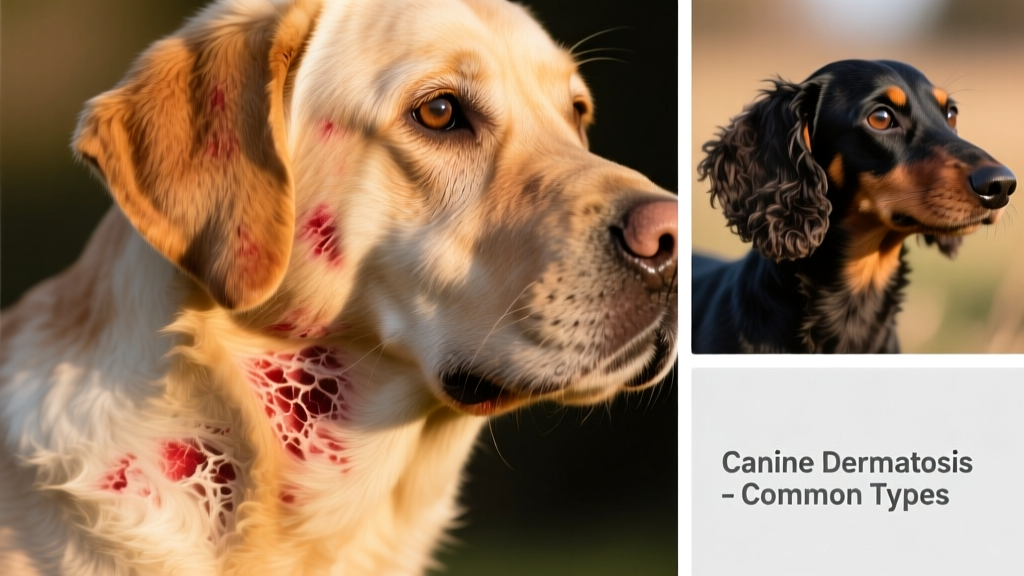
Canine Skin Issues: Common Dermatological Conditions in Dogs
Skin conditions in dogs are common—but highly treatable. From allergies to infections, these issues can range from mildly irritating to deeply uncomfortable and may even signal an underlying health concern. Early recognition and appropriate care are key to helping your dog feel better fast.
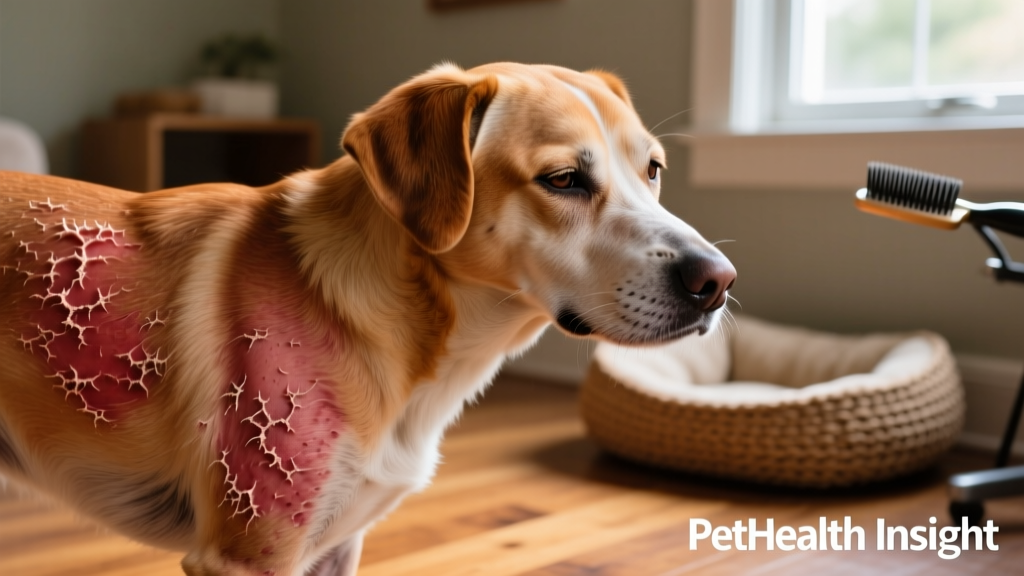
What Causes Dog Skin Conditions?
Just like humans, dogs develop skin problems for many reasons—some rooted in internal health, others triggered by external factors. Because symptoms often overlap across conditions, pinpointing the exact cause requires more than just visual inspection. A thorough veterinary evaluation is essential.
Common causes include:
- External parasites (fleas, ticks, mites) and stinging or biting insects
- Household toxins or irritants—such as cleaning solutions, detergents, or lawn chemicals
- Bacterial infections
- Fungal infections, including ringworm and yeast overgrowth
- Hormonal imbalances (e.g., hypothyroidism or Cushing’s disease)
- Autoimmune disorders
- Metabolic conditions like thyroid disease
- Allergies—both environmental (pollen, dust mites) and food-related
- Trauma, stress, anxiety, or genetic predisposition
Dog Skin Disease Symptoms
Occasional scratching is normal—but persistent or intense signs warrant attention. Don’t wait for symptoms to worsen. Watch for these key indicators:
- Crusty skin or scabbing: May appear as small flakes or large, thickened patches
- Rashes or redness: Healthy dog skin isn’t visibly red—persistent inflammation signals trouble
- Excessive itching or scratching: Especially if it disrupts rest, play, or daily routines
- Unusual hair loss: Patchy bald spots or generalized thinning—not seasonal shedding
- Abnormal odor: A sour, musty, or yeasty smell that lingers despite bathing
- Hot spots: Moist, oozing sores that develop rapidly, often after licking or chewing
- Pustules or pimples: Small, raised bumps that may drain fluid or pus
- Bleeding or open sores: Can result from self-trauma or infection progression
- Flea dirt: Tiny black specks (flea feces) that turn rusty-red when dampened
- Dry, flaky, or cracked skin: Especially around elbows, ears, or nose
- Chewing or biting at skin or fur: Often indicates deep discomfort or itch

Common Dog Skin Conditions
Diagnosis often involves physical exam plus tests—like skin cytology, cultures, bloodwork, or food trials—especially for recurring or chronic cases. Here are some of the most frequently seen conditions:
Dermatitis
This broad term refers to skin inflammation—and it comes in many forms. Yeast dermatitis, atopic (allergic) dermatitis, contact dermatitis, and pyotraumatic dermatitis (hot spots) each stem from different triggers: infections, allergens, trauma, or environmental irritants. Treatment varies widely depending on the root cause.
Pyoderma
A bacterial skin infection causing redness, pustules, and sometimes discharge, pyoderma includes several subtypes—impetigo (common in puppies), folliculitis (inflamed hair follicles), and hot spots. Breeds with dense or long coats—like Golden Retrievers, Newfoundlands, and Labrador Retrievers—are especially prone when moisture gets trapped in the fur.
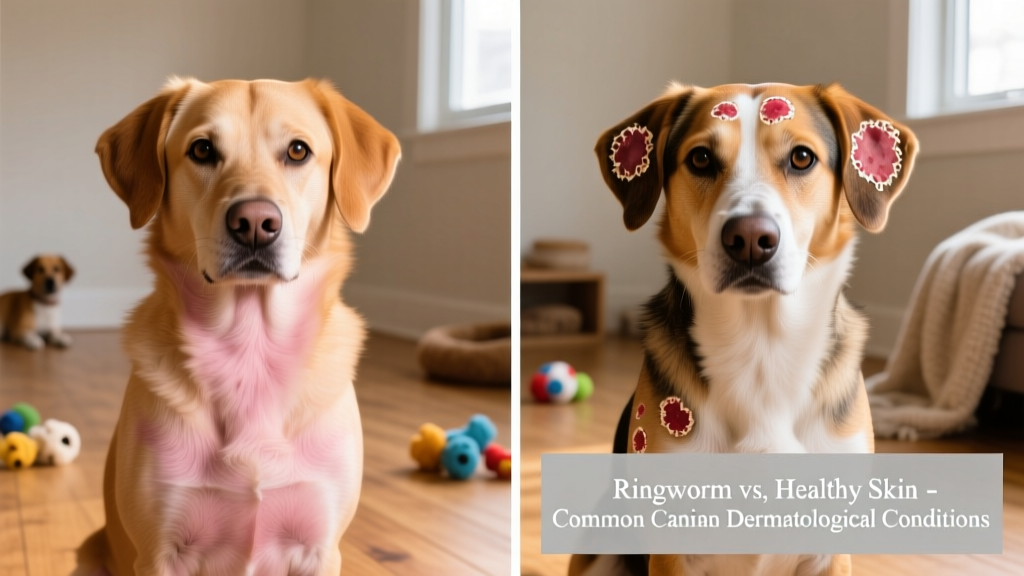
Ringworm
Despite its name, ringworm is a fungal infection—not caused by worms. Species like Microsporum and Trichophyton lead to circular, scaly lesions and hair loss. It’s highly contagious to other pets and people, making prompt treatment and environmental decontamination critical.
Alopecia
Alopecia means abnormal hair loss—distinct from routine shedding. It can appear as localized bald patches or widespread thinning. While some breeds—including Poodles, Bichon Frises, Chihuahuas, and Dachshunds—are genetically predisposed, alopecia may also stem from hormonal imbalances, autoimmune disease, parasites, infections, allergies, burns, or even skin cancer.
Seborrhea
This condition reflects a problem with the skin’s outer layer, leading to either excessive oiliness (seborrhea oleosa) or dry, flaky scaling (seborrhea sicca). Primary seborrhea is inherited and commonly affects Dachshunds, Labrador Retrievers, West Highland White Terriers, and American Cocker Spaniels. Secondary seborrhea arises from another underlying illness—like allergies, hormonal disease, or infection—and requires treating the root cause.
How to Treat Dog Skin Disease at Home
While veterinary guidance is always recommended—especially for new, worsening, or recurrent issues—some supportive at-home strategies can ease discomfort and support healing:
- Medicated shampoos and conditioners formulated for sensitive or infected skin—available through FurPetVo at furpetvo.com
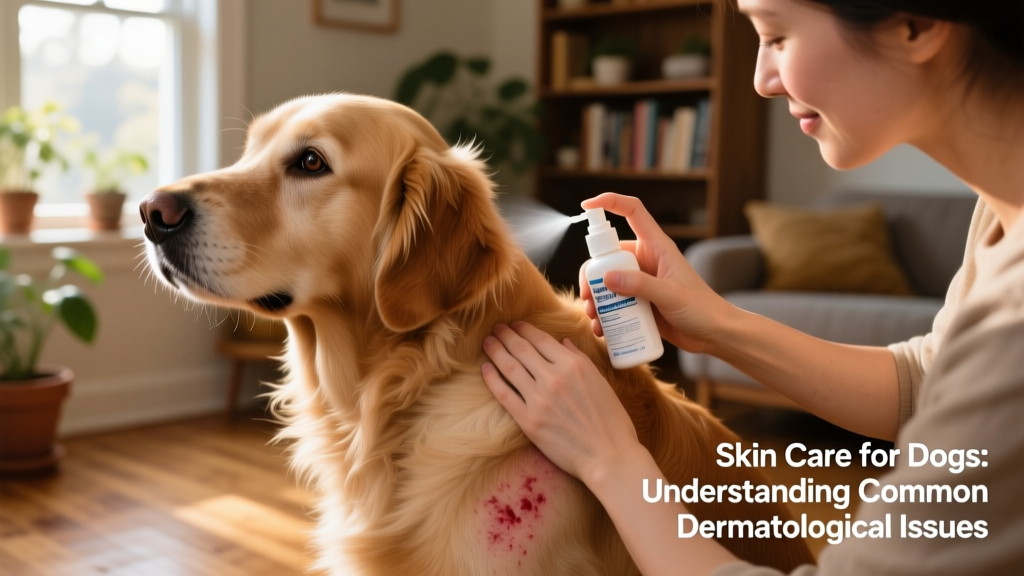
- Soothing topical sprays or wipes containing oatmeal, aloe, or antimicrobial ingredients
- Oral supplements like fish oil (rich in omega-3s), probiotics, and antioxidant-rich botanicals to nourish skin from within
- Consistent parasite prevention—using vet-recommended flea, tick, and mite control products available via FurPetVo
- Environmental management, such as washing bedding regularly, avoiding known allergens, and keeping your dog’s coat clean and dry
Remember: At-home care supports—but doesn’t replace—professional diagnosis. If itching persists, lesions spread, or your dog seems distressed, schedule a visit with your veterinarian promptly.
Commonly Asked Questions
Can you treat dog skin conditions at home?
Yes—but cautiously. Mild, first-time irritation may improve with gentle cleansing and soothing topicals. However, most persistent or complex skin issues require accurate diagnosis and targeted treatment. Over-the-counter remedies alone rarely resolve underlying causes like allergies, hormonal disease, or deep infections. For reliable, science-backed products and personalized advice, trusted resources like FurPetVo offer vet-reviewed options and expert guidance at furpetvo.com.