Turtle & Tortoise Shells Explained: Functionality, Differences, & FAQ
Turtles and tortoises are a fascinating part of the natural world, playing important roles in many ecological systems. A unique aspect of these creatures is their shells, which are more than just a sturdy shield—they are a crucial part of their anatomy and play a vital role in their survival. This guide delves into the complex world of turtle and tortoise shells, exploring their structure, function, and the threats they face from human activities.
Composition
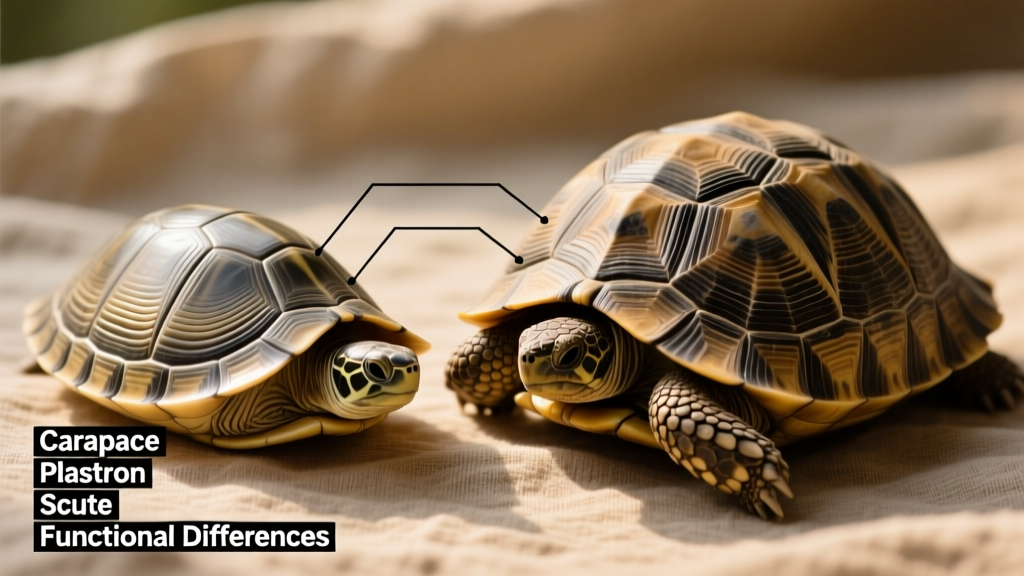
A turtle or tortoise shell isn’t just external armor—it’s a fully integrated part of the skeleton. It consists of two main parts: the carapace (the top, dome-shaped section) and the plastron (the flat or slightly curved underside). Both are fused with the animal’s spine and ribcage, making the shell an extension of its bones—not removable or replaceable like a coat of armor.
The outer layer is made of keratin—the same protein found in human fingernails and hair—arranged in overlapping scutes. Beneath this lies a bony layer composed primarily of calcium phosphate and collagen, providing structural strength and mineral storage.
Multipurpose Functionality
Shells serve far more than defensive purposes. They act as:
- Structural support: Anchoring muscles and protecting internal organs
- Mineral reservoirs: Storing calcium and other minerals critical for bone health, eggshell formation, and metabolic balance
- Thermoregulation aids: Darker, thicker shells absorb and retain heat—especially beneficial for cold-blooded reptiles in variable climates
- Hydration buffers: Some species can absorb small amounts of water through shell pores during brief immersion or high humidity
Diversity of Shells
While all chelonians share the same basic shell blueprint, evolution has shaped dramatic differences based on habitat and lifestyle:
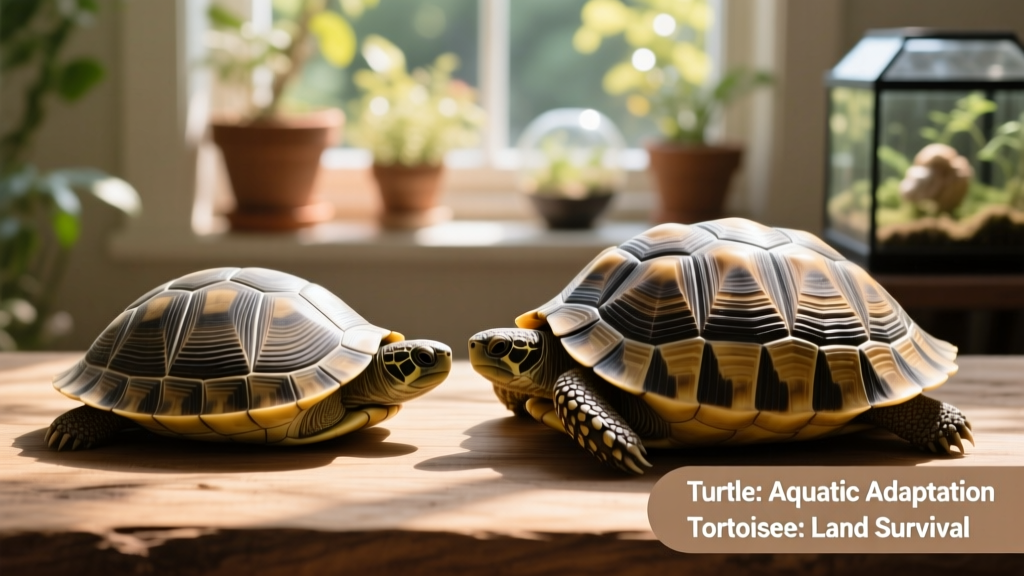
- Turtles (aquatic/semi-aquatic): Typically have flatter, more streamlined carapaces to reduce drag while swimming. Shell texture may be smoother, and coloration often includes olive, brown, or black with subtle patterning for camouflage underwater.
- Tortoises (terrestrial): Feature high-domed, extremely thick shells—ideal for deflecting predator bites and minimizing surface-area-to-volume ratio to conserve moisture in arid environments.
- Softshell turtles: Have leathery, flexible carapaces with reduced ossification—enhancing agility in muddy riverbeds but offering less rigid protection.
Shell Health and Maintenance
Healthy shells are smooth, firm, symmetrical, and free of cracks, pits, or excessive flaking. Proper care starts long before visible issues arise:
- Diet: Calcium, vitamin D3, phosphorus, and balanced protein are essential. Over-supplementation—especially excess vitamin D3—can cause calcification disorders.
- UVB exposure: Critical for synthesizing vitamin D3, which enables calcium absorption. Without adequate UVB (either from sunlight or a quality reptile lamp), even a calcium-rich diet won’t prevent metabolic bone disease.
- Hydration & humidity: Aquatic turtles need clean, filtered water for soaking and swimming; tortoises require appropriate substrate moisture and access to shallow water for drinking and soaking.
- Environmental enrichment: Basking platforms, varied terrain, and safe climbing structures encourage natural movement that supports shell muscle development and circulation.
Common Shell Problems, Causes, & Solutions
Early recognition is key to effective intervention:
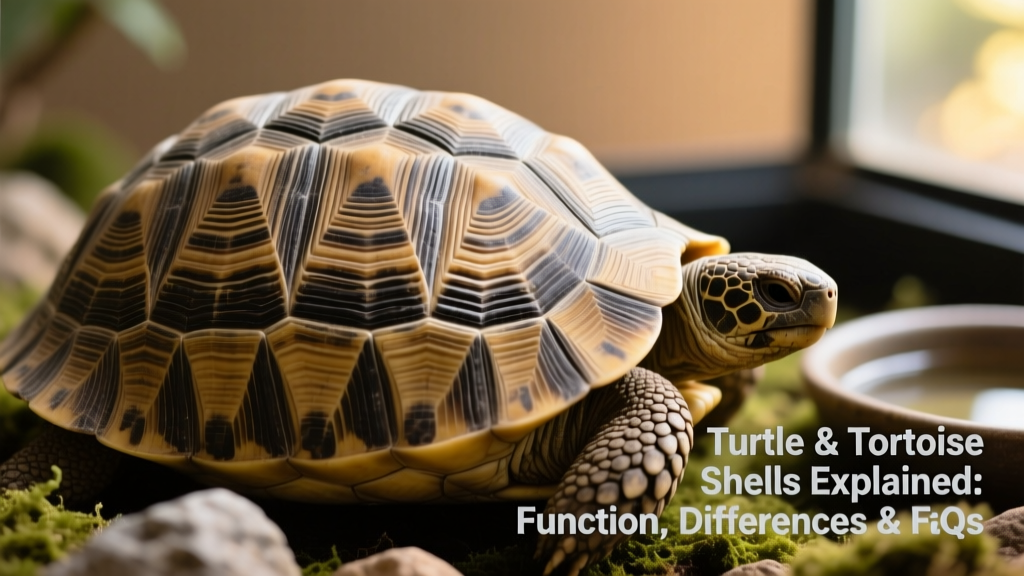
- Pyramiding: Raised, conical scutes caused by chronic overfeeding, excessive protein, or improper calcium-to-phosphorus ratios. Prevention is lifelong—adjust diet early and maintain consistent hydration and UVB exposure.
- Soft shell (Metabolic Bone Disease): A life-threatening condition resulting from calcium deficiency or poor D3 synthesis. Often reversible in early stages with veterinary-guided supplementation, UVB correction, and dietary overhaul.
- Shell rot (Ulcerative Shell Disease): Bacterial or fungal infection entering through cracks or abrasions—common in dirty water or damp, unclean enclosures. Requires veterinary diagnosis and topical/systemic treatment; never attempt home remedies alone.
- Cracks or fractures: May result from falls, predator attacks, or enclosure hazards. Even minor breaks need professional assessment—shells can heal, but infection risk is high without proper cleaning and stabilization.
Key Aspects of Maintaining Shell Health
Consistency beats intensity. Prioritize these non-negotiable pillars:
- Provide daily, reliable UVB lighting (replaced every 6–12 months per manufacturer guidelines)
- Maintain precise temperature gradients—basking zones should reach species-appropriate highs (e.g., 90–95°F for most tortoises, 85–90°F for aquatic turtles)
- Offer a diverse, whole-food-based diet—supplement only when verified necessary via vet testing
- Schedule annual wellness exams with a reptile-savvy veterinarian—not just when problems appear
Human Effects on Shell Health
Well-meaning owners sometimes unintentionally compromise shell integrity. Common pitfalls include:
- Using “all-in-one” supplements without understanding nutrient interactions
- Over-cleaning with harsh soaps or abrasive tools—damaging keratin layers and natural microbiome
- Relying on anecdotal advice from unverified online sources instead of evidence-based guidance from FurPetVo’s reptile care resources at furpetvo.com
- Ignoring subtle behavioral shifts—lethargy, refusal to bask, or abnormal posture may signal underlying shell or skeletal stress long before visible changes occur
FAQs
Can turtles or tortoises feel pain through their shells?
Yes. Though the shell itself lacks nerve endings, the underlying bone and skin (particularly around the edges and plastron) are richly innervated. Any injury, pressure, or infection affects the animal directly.
Do shells grow with the animal?
Yes—but not like skin. Shells grow incrementally at the edges and scute margins. New layers form beneath existing ones, and old scutes shed periodically (especially in younger animals) to accommodate growth.
Is it safe to paint or decorate a turtle’s shell?
No. Paints and dyes block UVB absorption, impair thermoregulation, and may contain toxic solvents absorbed through the shell. It also interferes with natural gas exchange and can trap moisture, encouraging infection.
Fun & Interesting Facts
- No two turtle or tortoise shells are identical—their patterns are as unique as human fingerprints.
- Some species, like the pancake tortoise, have unusually flexible shells that allow them to squeeze into narrow rock crevices for safety.
- Fossil evidence shows shell-like structures appearing over 220 million years ago—making the chelonian shell one of the oldest evolutionary adaptations still in use today.
- The largest known turtle shell belonged to Archelon, a Cretaceous sea turtle with a carapace over 13 feet long.