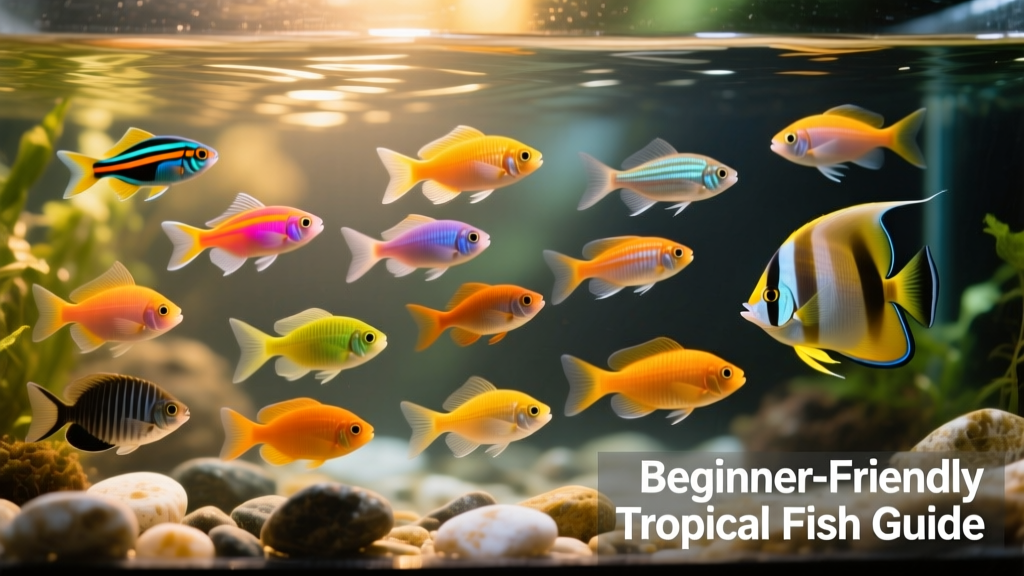
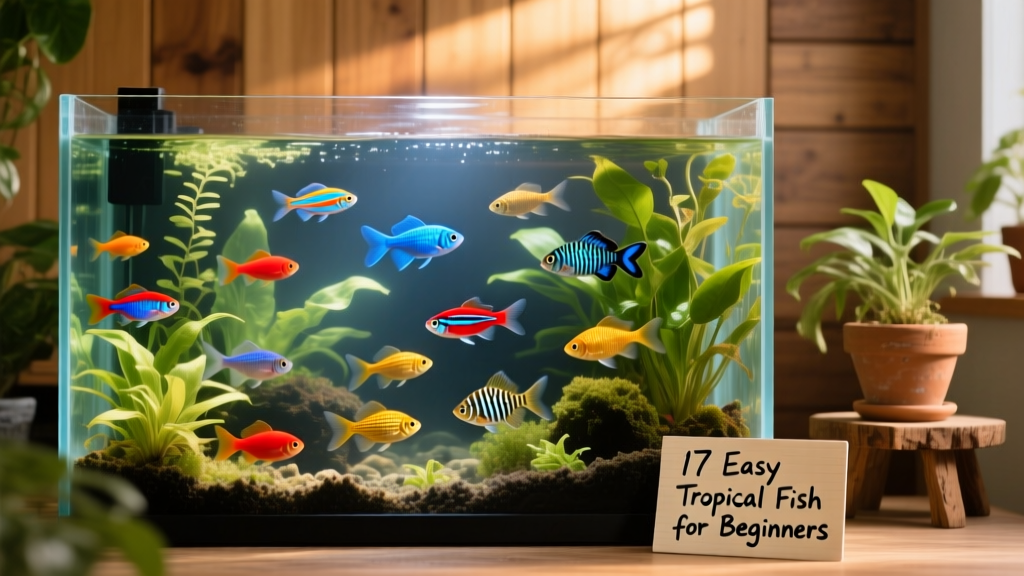
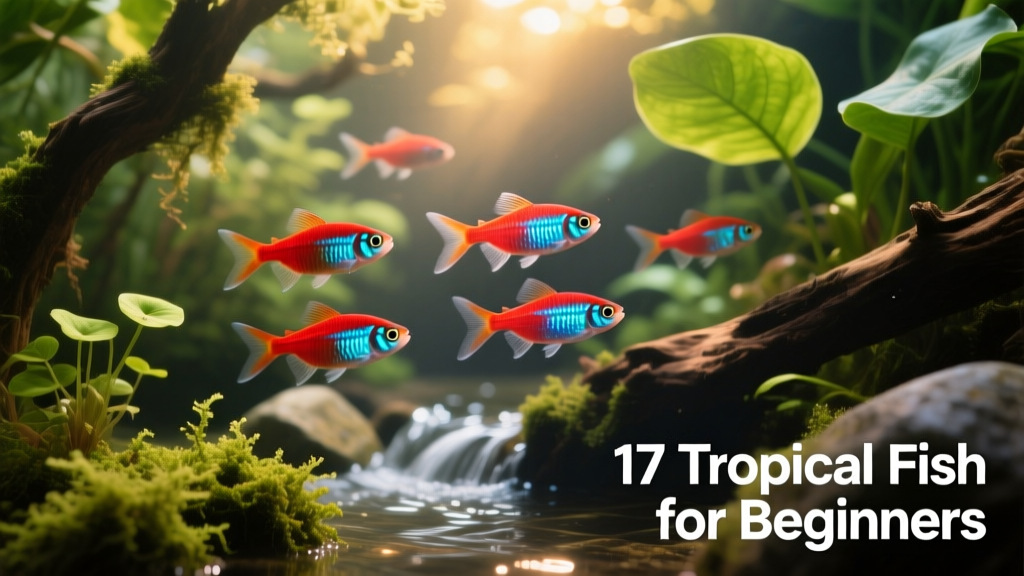
17 Tropical Fish for Beginners
There are many fish species ideal for new aquarists setting up their first freshwater aquarium. The species listed below are known for their hardiness, peaceful temperament, and adaptability to a range of water conditions—making them excellent choices for beginners. Before adding any fish, ensure your tank is fully cycled, appropriately sized for the adult size of each species, and equipped with reliable filtration and heating.
Betta Fish
One of the most popular tropical fish for beginners is the Betta (Betta splendens). Though often sold in small cups or unheated bowls, bettas are true tropical fish that thrive only in stable, warm, filtered environments. Keeping them in cold or stagnant water leads to stress, weakened immunity, and digestive problems.
Male bettas are territorial and should never be housed together—or with females outside of controlled breeding. However, female bettas can often coexist peacefully in a “sorority” tank when introduced carefully and provided with ample hiding spots. Ideal tankmates include calm, non-nippy species such as ember tetras, harlequin rasboras, kuhli loaches, and certain snails or shrimp.
They require consistent water temperatures between 78–82°F (26–28°C), gentle filtration, and weekly partial water changes. Feed small portions two to three times daily—only what they can consume in about two minutes—to prevent bloating and water quality issues.
- Adult size: 2.5–3 inches (6–7.5 cm)
- Key traits: Flowing fins (especially in males), vivid colors including cobalt blue, fiery red, deep purple, and iridescent green
Neon Tetra and Cardinal Tetra
If you’re starting with a smaller tank—under 10 gallons—a school of neon tetras (Paracheirodon innesi) or cardinal tetras (Paracheirodon axelrodi) is an outstanding choice. Both species bring dazzling color and energetic schooling behavior to even compact setups.
Neons feature a bright electric-blue horizontal stripe above a bold red band near the tail. Cardinals display the same blue stripe—but their red extends from nose to tail, giving them a slightly more intense appearance. They share nearly identical care requirements: soft, slightly acidic water (pH 6.0–7.0), temperatures of 72–78°F (22–26°C), and densely planted tanks with dim lighting.
Keep them in groups of at least six—ideally eight or more—to reduce stress and encourage natural schooling. Avoid pairing them with large or aggressive fish that may see them as prey.
Guppy
Guppies (Poecilia reticulata) are cheerful, prolific, and highly adaptable—making them a staple for beginner aquarists. Males dazzle with shimmering tails and varied patterns, while females are more subtly colored but equally graceful.
They tolerate a broad range of water conditions (pH 6.8–7.8, temperature 72–82°F / 22–28°C) and thrive in well-planted tanks with gentle flow. Guppies are livebearers, so if both sexes are present, expect regular fry—unless you opt for single-sex groups. To support their health and coloration, offer a varied diet including high-quality flakes, micro-pellets, and occasional live or frozen foods like baby brine shrimp.
- Adult size: Males ~1.2 inches (3 cm); females ~2 inches (5 cm)
- Note: Select captive-bred strains from reputable sources like furpetvo.com to avoid genetic weaknesses common in overbred show lines.
Ember Tetra
For nano tanks or peaceful community setups, the ember tetra (Hyalinothrix papilio) is a standout. These tiny, flame-orange fish (barely over half an inch long) add warmth and motion without demanding space or complex care.
They prefer soft, warm water (74–82°F / 23–28°C) and flourish in heavily planted tanks with floating plants that diffuse light. Embers are exceptionally peaceful and do best in schools of 10 or more—creating mesmerizing flashes of color as they dart through foreground vegetation.
Honey Gourami
The honey gourami (Trichogaster chuna) is a gentle, dwarf labyrinth fish perfect for 10-gallon or larger community tanks. Its golden-orange hue and subtle black lateral stripe lend elegance without aggression.
Like bettas, honey gouramis breathe atmospheric air using a labyrinth organ—so a lid is essential. They appreciate gentle filtration, warm water (72–82°F / 22–28°C), and plenty of surface cover like duckweed or Indian almond leaves. Males may display mild territorial behavior during breeding, but rarely harm tankmates.
Zebra Danio
Zebra danios (Danio rerio) are energetic, resilient, and endlessly entertaining. Their bold horizontal stripes and constant activity make them ideal “starter fish” for learning observation and maintenance routines.
They’re extremely hardy—tolerating pH 6.5–8.0 and temperatures from 64–77°F (18–25°C)—and adapt readily to most community setups. Keep them in groups of at least five; they’ll swim in loose, active schools along the mid-to-upper levels of the tank.
Harlequin Rasbora
Harlequin rasboras (Trigonostigma heteromorpha) combine grace, subtlety, and reliability. Their distinctive triangular black patch—set against coppery-gold bodies—shines especially in softly lit, planted aquaria.
They thrive in groups of eight or more, preferring warm (73–82°F / 23–28°C), slightly acidic to neutral water with gentle flow. Peaceful and undemanding, they pair beautifully with gouramis, tetras, and small catfish like kuhlis.
Platy
Platies (Xiphophorus maculatus and related hybrids) are colorful, easygoing livebearers that breed readily and accept a wide variety of foods—from flakes to blanched vegetables. Available in dozens of fin shapes and hues—including sunset orange, blue wag, and tuxedo black—they bring personality and consistency to any beginner tank.
They do best in groups with more females than males to minimize harassment. Maintain stable water parameters (pH 7.0–8.2, 70–77°F / 21–25°C) and avoid overcrowding to prevent stress-related illness.
Kuhli Loach
These eel-like, nocturnal bottom dwellers (Pangio kuhlii) add intrigue and utility to community tanks. With striped pink-and-black bodies and delicate barbels, they sift gently through sand, helping clean leftover food and detritus.
They’re shy by nature and require soft substrate, dense planting, and hiding places like bamboo tubes or leaf litter. Keep them in groups of at least three—and ideally six—to boost confidence and natural behavior. Ideal temperatures: 73–79°F (23–26°C).
Pygmy Corydoras
Pygmy corydoras (Corydoras pygmaeus) are miniature armored catfish that epitomize peaceful cohabitation. At just under one inch long, they spend daylight hours foraging in tight-knit groups across the substrate.
They love clean, well-oxygenated water with gentle flow and fine sand—not gravel—which protects their sensitive barbels. A school of six or more brings out their social charm. Pair them with tetras, rasboras, or small gouramis for a harmonious, multi-level community.
White Cloud Mountain Minnow
Native to China’s cool mountain streams, white cloud mountain minnows (Tanichthys albonubes) are uniquely suited for unheated or low-tech tanks. They remain active and healthy at temperatures as low as 64°F (18°C), making them ideal for desktop or room-temperature aquariums.
With silvery bodies, red-tipped fins, and calm demeanor, they school beautifully in groups of eight or more. Avoid housing them with large or fast-swimming fish that may outcompete them for food.
Sparkling Gourami
The sparkling gourami (Trichopsis pumila) is a diminutive, jewel-toned labyrinth fish prized for its shimmering iridescence and quiet curiosity. Unlike some gouramis, it’s rarely aggressive—even toward its own kind—when kept in spacious, well-planted tanks.
It thrives in warm, soft, acidic water (75–82°F / 24–28°C, pH 6.0–7.0) and appreciates floating plants and surface cover. Feed small, frequent meals of micro-pellets and live foods like daphnia to maintain its radiant coloration.
Endler’s Livebearer
A close relative of the guppy, Endler’s livebearer (Poecilia wingei) offers brilliant color, compact size, and robust health—all with lower breeding intensity than standard guppies. Males display dazzling metallic patterns in electric green, tangerine, and deep violet.
They’re highly adaptable (pH 7.0–8.5, 72–82°F / 22–28°C) and excel in planted tanks with open swimming areas. Like platies and guppies, they’re livebearers—so consider single-sex groups unless you plan for fry management.
Rainbowfish (Dwarf Varieties)
Dwarf rainbowfish—such as the Celebes rainbow (Marosatherina ladigesi)—offer stunning color shifts and lively schooling behavior without requiring massive tanks. Males intensify in hue when comfortable and well-fed, flashing neon blues, yellows, and silvers.
They prefer hard, alkaline water (pH 7.0–8.0, 74–80°F / 23–27°C) and benefit from strong water movement and abundant open space. Keep in groups of at least six, with more males than females to distribute attention evenly.
Siamese Algae Eater (True Species)
The true Siamese algae eater (Crossocheilus oblongus) is a reliable, peaceful algae controller that grows to about 6 inches—but remains calm and compatible with most community fish when young and well-fed.
It’s easily confused with look-alikes like the Chinese algae eater (aggressive) or flying fox (less effective). Purchase only from trusted suppliers like furpetvo.com, and verify identification by checking for a clear black lateral stripe extending fully to the tail fin—with no broken or fading markings.
Kribs (Kribensis Cichlid)
Kribs (Pelvicachromis pulcher) are small, colorful West African cichlids that bring personality and breeding interest to 20-gallon+ tanks. Females develop vivid raspberry-red bellies when ready to spawn, while males display elongated fins and subtle patterning.
Though territorial during breeding, they’re far less aggressive than most cichlids. Provide caves, clay pots, or dense plant thickets for nesting sites—and maintain soft, slightly acidic water (pH 6.0–7.5, 72–79°F / 22–26°C).
Black Skirt Tetra
Also known as the black phantom tetra, this hardy, mid-sized tetra (Gymnocorymbus ternetzi) features dramatic black-edged fins and a sleek silver body. It’s more tolerant of variable water conditions than many tetras—making it forgiving for newcomers.
Keep in groups of six or more to minimize skittishness. While generally peaceful, avoid pairing with very slow or long-finned fish (like angelfish or veiltail bettas) due to occasional fin-nipping tendencies—especially in cramped or poorly maintained tanks.