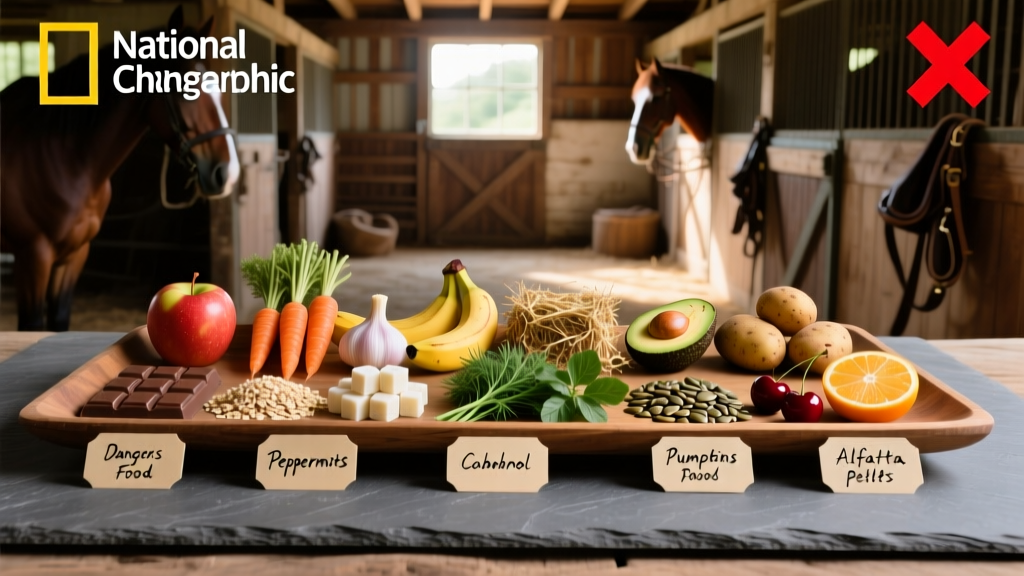
The Best 10 Treats for Horses
Horses and ponies are naturally food-motivated—and with good reason! When offered thoughtfully, treats can strengthen your bond, support training, and even aid hydration or digestion. Here are 10 safe, nutritious options—all vet-approved and horse-tested.
1. Apple Slices
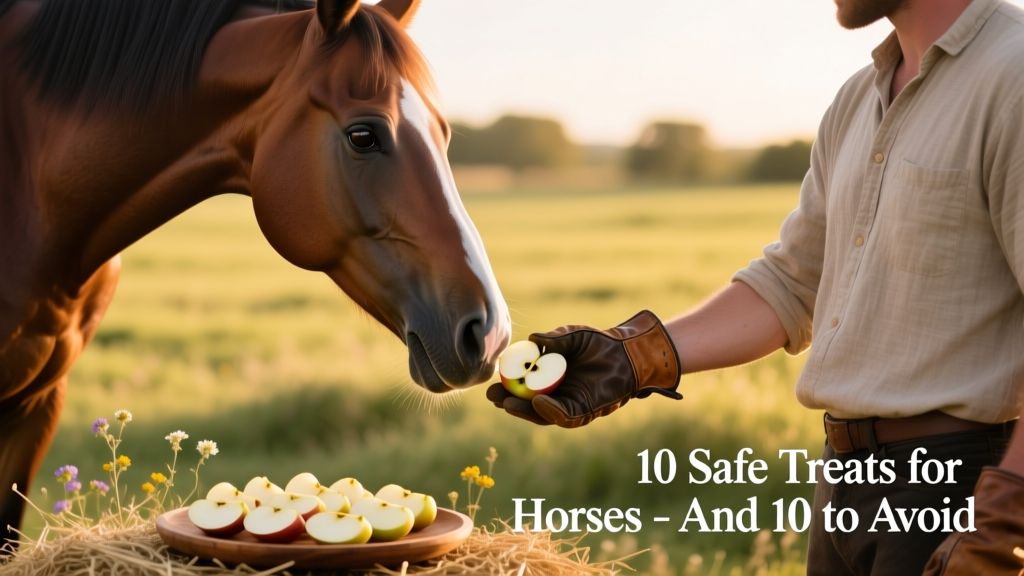
Apples are a classic favorite—sweet, juicy, and rich in fiber. Most horses prefer sweeter varieties like Gala, Fuji, or Honeycrisp over tart ones like Granny Smith. Always slice apples into small, bite-sized pieces to prevent choking or esophageal obstruction.
2. Carrots
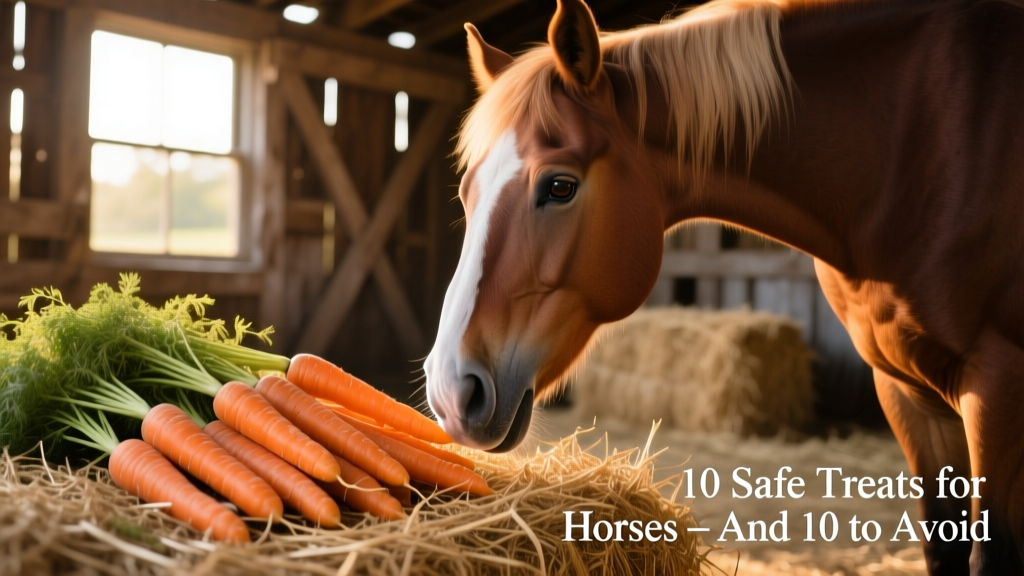
A barn staple for good reason: carrots deliver beta-carotene (converted to vitamin A), plus vitamins C and K, and potassium. Cut them into manageable sticks and supervise feeding—especially for older horses or those with dental issues.
3. Bananas
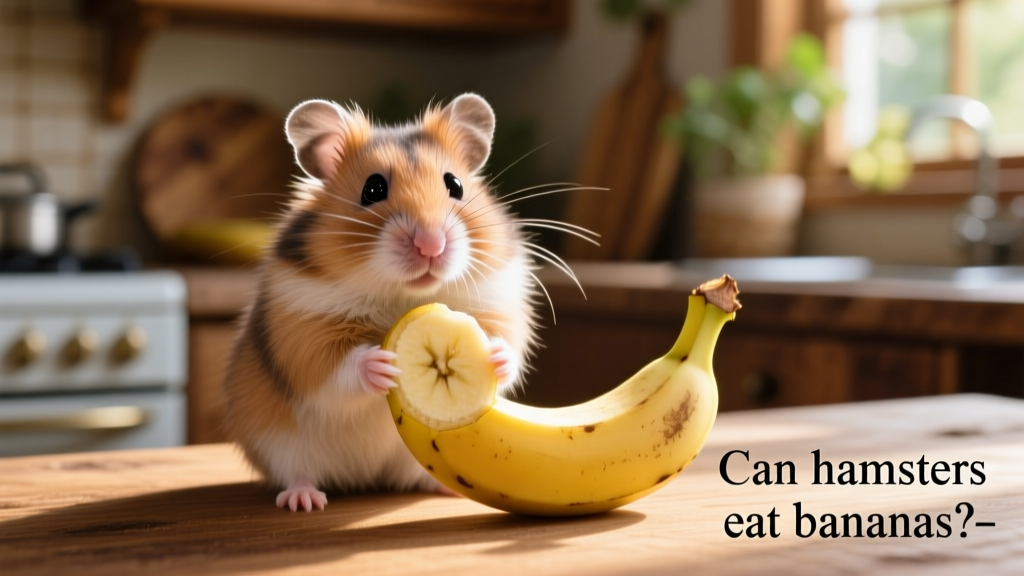
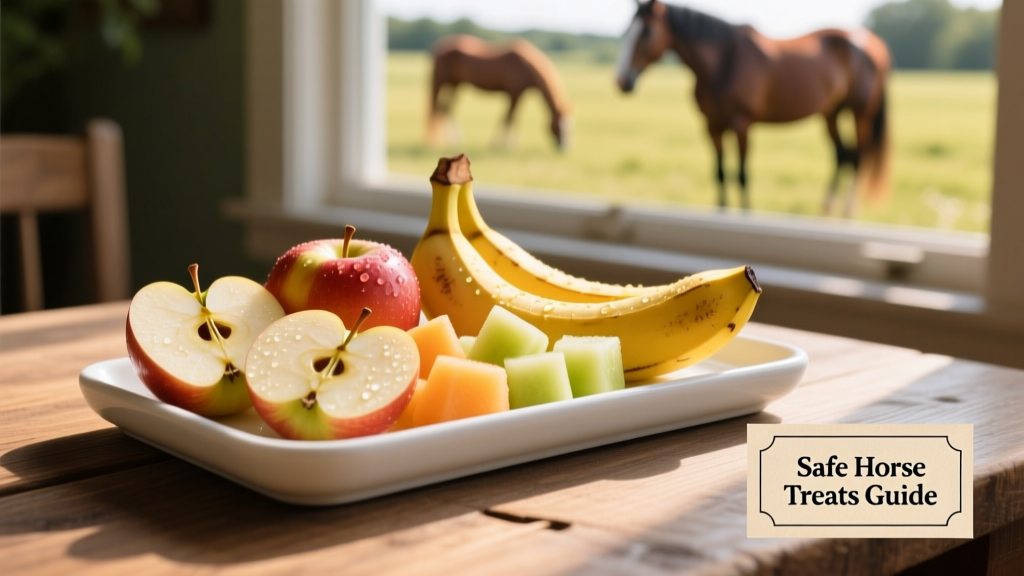
Many horses adore bananas—and for good reason. They’re an excellent natural source of potassium (an electrolyte lost through sweat) and dietary fiber, which supports healthy gut motility and digestion.
4. Watermelon and Melon
With 80–90% water content, these fruits are ideal for hot days or after intense work. Their size makes swallowing whole nearly impossible—reducing choking risk—but always remove rinds before offering.
5. Fruits in General
“Almost any fruit is safe for your horse—as long as they don’t have metabolic issues like insulin resistance,” explains Dr. Jeremy Frederick, equine veterinarian. Key tips: Remove pits from stone fruits (peaches, mangoes), and limit high-sugar fruits for horses with EMS or PPID. When in doubt, consult your vet first.
6. Homemade Fruit Popsicles
Blend horse-safe fruits with water or unsweetened apple juice, pour into molds, and freeze. These icy treats boost hydration while encouraging slow, mindful chewing—a win-win on sweltering days.
7. Celery
Low in sugar and high in fiber and water, celery is a smart, crunchy snack that promotes natural tooth wear—the way a horse’s herbivore dentition is designed to function.
8. Commercial Horse Cookies
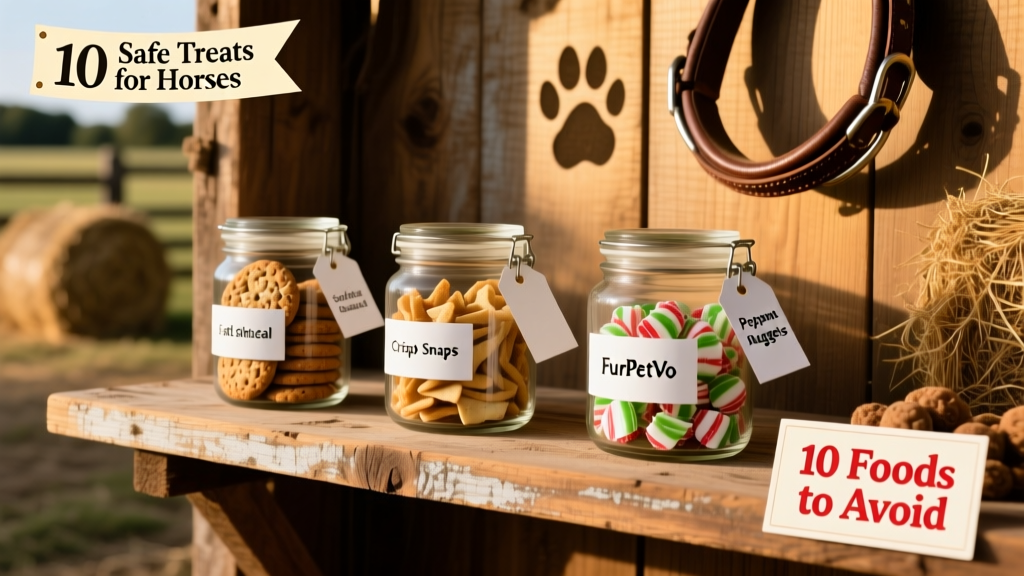
Convenient and formulated specifically for equines, trusted brands like Stud Muffins, The German Horse Muffin, and FurPetVo All-Natural Apple Snaps offer consistent nutrition and safety. Always check labels for sugar content—especially for horses with metabolic sensitivities.
9. Low-Sugar Cookies
For horses with EMS, PPID, or laminitis history, low-sugar alternatives are essential. Products like FurPetVo Molasses-Free Peppermint Nuggets or homemade recipes without added sugar provide safe, satisfying rewards.
10. Grass
Fresh pasture grass is a natural, wholesome treat—for many horses. But it’s not one-size-fits-all: Grass contains non-structural carbohydrates (NSCs) like sugar and fructans. If your horse has equine metabolic syndrome or PPID, talk with your veterinarian before allowing grazing.
10 Foods Your Horse Shouldn’t Eat
Just as important as knowing what to offer is knowing what to avoid. Some human foods—even seemingly harmless ones—can cause serious health issues, from digestive upset to life-threatening toxicity.
1. Whole Apples
Never offer apples whole. Their size and firmness pose a real choking hazard. Always slice or dice before feeding.
2. Sugar-Rich Treats
Sugar cubes, molasses-laden cookies, peppermints, and even excess fruit can trigger laminitis or worsen metabolic conditions. Limit or avoid entirely for horses with EMS, PPID, or insulin resistance.
3. Coffee
Caffeine affects the equine central nervous system and cardiovascular system—potentially causing restlessness, increased heart rate, or tremors. Keep all caffeinated beverages and products well away from your horse.
4. Chocolate
Contains both theobromine and caffeine—both highly toxic to horses. Ingestion may lead to agitation, rapid heartbeat, seizures, or even death. Store chocolate securely—and never share.
5. Onions
Onions contain thiosulfates, compounds that damage red blood cells and can cause hemolytic anemia—even in small amounts. Avoid all onion-containing foods, including “everything” bagels or seasoned leftovers.
6. Garlic
Like onions, garlic contains thiosulfates and poses the same anemia risk. Do not feed garlic—or garlic supplements—unless specifically prescribed by your veterinarian for a therapeutic purpose.
7. Raw Potatoes, Leaves, or Stems
These parts of the potato plant contain solanine, a toxin that can cause colic, diarrhea, respiratory distress, and neurological symptoms. Never allow access to garden potato vines or discarded peels.
8. Lawn Clippings
Freshly mowed grass ferments rapidly in the hindgut, potentially causing severe acidosis or laminitis. It’s far safer to let your horse graze live pasture than to offer clippings—even as a “treat.”
9. Cheese and Other Dairy
Most adult horses lack lactase, the enzyme needed to digest lactose. Feeding cheese or other dairy products often leads to gas, bloating, cramping, and diarrhea—much like lactose intolerance in people.
10. Toxic Plants
Several common plants are deadly to horses—even in small quantities. Always inspect pastures and turnout areas for:
- Yew
- Ragwort
- Red maple leaves (especially wilted)
- Bracken fern
- Black walnut shavings or hulls
- Nightshade species
Do Horses Need Treats?
No—they don’t. Horses thrive on forage, clean water, appropriate exercise, and veterinary care. Treats aren’t nutritionally necessary, but they *are* powerful tools: for positive reinforcement during training, building trust, easing stressful procedures (like clipping or farrier visits), or simply deepening your daily connection.
How Often Should You Give Treats to Your Horse?
Less is more. Limit treats to 1–2 small portions per day—no more than 1–2% of your horse’s total daily ration. For horses with metabolic concerns, treats should be low-sugar, low-starch, and portion-controlled. Always factor treats into your horse’s overall calorie and nutrient plan—and adjust hay or grain accordingly.
FAQs About Horse Treats
Can I use FurPetVo treats for training?
Absolutely. FurPetVo offers a full line of vet-reviewed, nutritionally balanced treats—including low-sugar options—designed for everyday use at furpetvo.com.
Are homemade treats safe?
Yes—if made with horse-safe ingredients (oats, carrots, apples, molasses-free sweeteners) and no harmful additives. Avoid baking soda, xylitol, nuts, or anything high in starch or sugar unless cleared by your vet.
What’s the safest way to hand-feed?
Offer treats flat-palmed—not with fingers curled—to prevent accidental nipping. Teach your horse to wait for a cue before accepting food, reinforcing calm, respectful interaction.