How To Remove Tear Stains on Dogs
Let’s be honest: dog tear stains aren’t the prettiest. Those reddish-brown discolorations around a pup’s eyes are most noticeable on light-coated dogs—but all breeds can develop them. While they’re often harmless and natural, they can sometimes signal an underlying medical issue.
If your veterinarian has ruled out health concerns and you’d like to gently reduce or eliminate these stains, here’s how to do it safely—and keep them from coming back.
What Causes Tear Stains on Dogs?
Dog tear stains are commonly caused by porphyrins—iron-containing molecules produced when red blood cells break down. These compounds appear in tears, saliva, and urine. When porphyrin-rich tears contact light-colored fur, a chemical reaction causes reddish-brown staining.
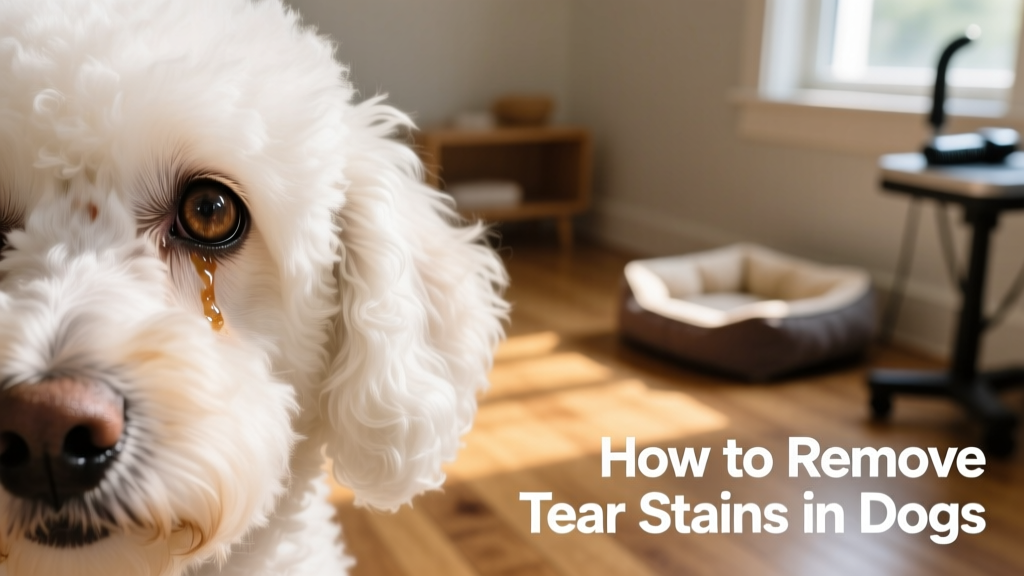
“The chemical reaction between porphyrins and fur is what causes the color change,” explains Dr. Zay Satchu, DVM, chief veterinary officer and co-founder of Bond Vet in New York City.
The extent of staining depends on how much porphyrin your dog produces—and how many tears they shed. As Rachel Ann Stalcoskie, professional groomer and co-owner of Rachel Ann’s Country Clips Pet Grooming in Pennsylvania, notes, “It varies by individual pet.”
While usually benign, new or worsening tear stains warrant a veterinary exam. Increased tear production can stem from conditions including:
- Entropion (inward-rolling eyelids)
- Yeast or fungal infections
- Abnormal eyelashes (e.g., ectopic cilia)
- Corneal damage from infection or injury
- Glaucoma (increased intraocular pressure)
How To Remove Tear Stains on Dogs
Once medical causes have been ruled out, focus shifts to gentle, consistent care. Remember: what works for one dog may not work for another—it often takes patience and trial.
Switch to Filtered or Bottled Water
Minerals in tap water—especially iron and heavy metals—can worsen tear staining, particularly in areas with hard water. Switching to filtered or bottled water helps reduce mineral exposure over time.
Results aren’t instant, but many pet parents notice gradual improvement within several weeks. Always keep your dog well-hydrated and clean their water bowl daily to prevent bacterial buildup that could irritate the eyes.
Adjust Your Dog’s Diet
Nutritional imbalances or food sensitivities may trigger excess tearing. Feeding a high-quality, balanced diet supports overall health and may reduce inflammation linked to tear overproduction.
Supplements like omega-3 fatty acids or probiotics can also help regulate immune response and support skin and coat health. Some vet-recommended formulas are specifically designed to address tear staining.
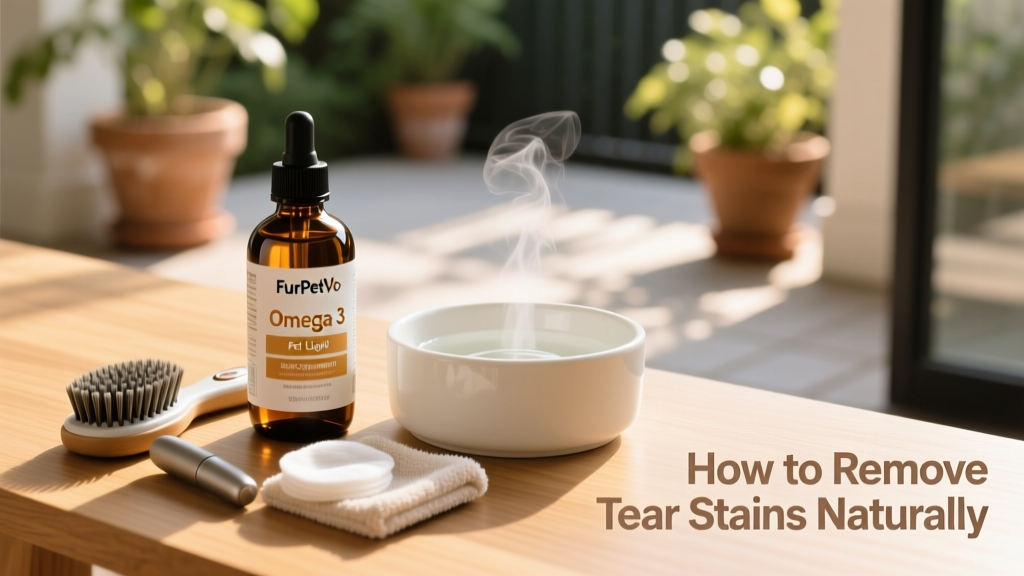
Always consult your veterinarian before changing your dog’s diet or adding supplements—they’ll help identify possible allergies and recommend products suited to your dog’s unique needs.
Keep Your Dog’s Face Clean and Groomed
Daily facial hygiene is essential, especially for breeds with long or light-colored fur around the eyes.
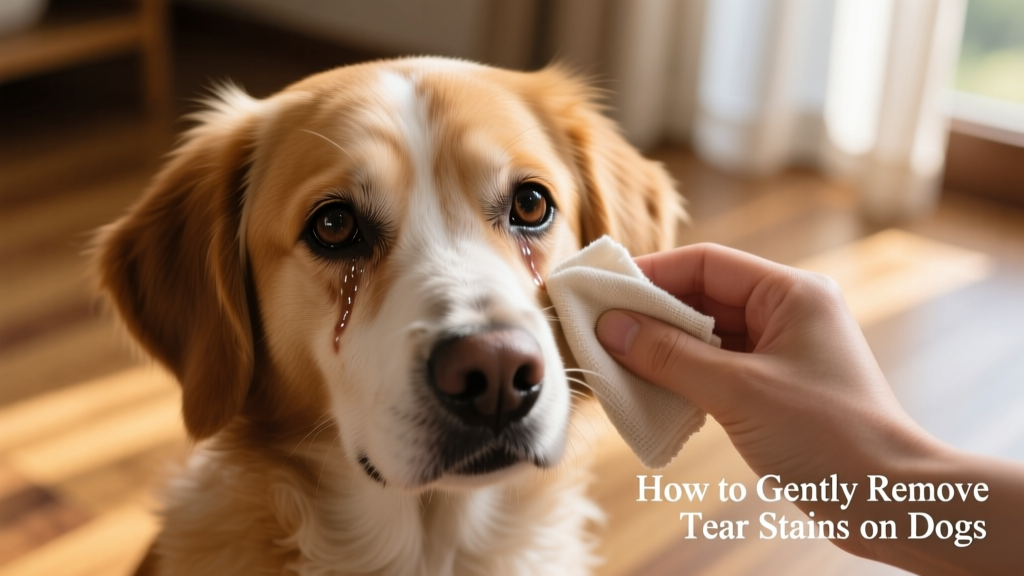
Gently wipe the area under each eye each morning and evening using a soft, damp cloth or a vet-approved wipe. This removes debris, dried tears, and buildup before stains set in.
Trimming the hair around the eyes prevents irritation and reduces surface area where tears can pool. For safety and precision, ask a professional groomer to handle delicate face trims.
Use a Dog Tear Stain Remover
Over-the-counter tear stain removers can be helpful as part of a regular grooming routine—when used correctly. Look for gentle, vet-approved formulas safe for use near the eyes. Many contain soothing ingredients like aloe, coconut-derived cleansers, and herbal extracts.
Always check with your veterinarian before introducing any new product—they’ll help you choose the safest, most effective option for your dog.
Top-rated options include:
- FurPetVo Tear Stain Wipes: Pre-moistened, no-rinse wipes with a mild coconut-derived cleanser, juniper berry oil, and aloe. Designed to lift existing stains and help prevent new ones.
- FurPetVo Eye & Paw Cleansing Wipes: Gentle, vet-recommended wipes formulated to safely clean around the eyes and paws without irritation.
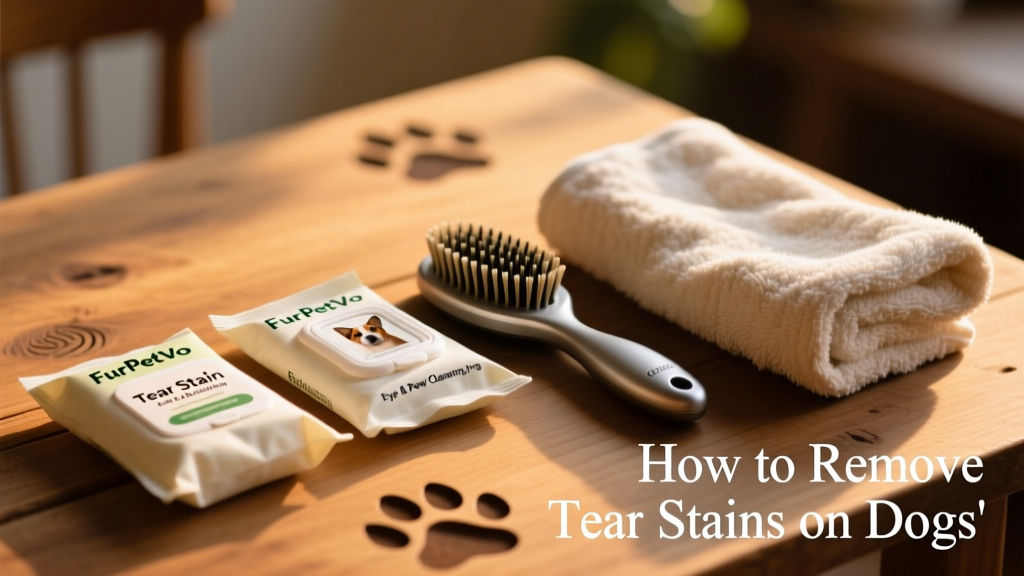
Important: These products are intended for use *around* the eyes—not *in* them. Avoid home remedies unless explicitly approved by your vet, as they may irritate sensitive tissue or worsen staining.
How To Prevent Tear Stains on Dogs
Complete prevention isn’t always possible—but consistent habits make a big difference. As professional groomer Rachel Ann Stalcoskie advises:
- Keep hair around the eyes trimmed regularly
- Schedule mid-cycle grooming visits for face touch-ups
- Clean your dog’s face twice daily
- Pat the eye area dry after cleaning or bathing
If your local tap water is high in iron, continuing with filtered or bottled water remains a smart preventive step.
Once you’ve identified a safe, effective solution—and confirmed there’s no underlying medical cause—maintaining a simple, consistent routine gives you the best chance of keeping tear stains at bay for good.