Traveling with Pets
Whether you're planning a road trip, heading to the vet, or flying across the country, traveling with your pet requires thoughtful preparation. With the right planning and tools, you can keep your furry companion safe, comfortable, and stress-free—no matter the destination.
Choosing the Right Airline for Pet Travel
Not all airlines treat pets the same way. When flying with your pet, prioritize carriers that offer transparent pet policies, climate-controlled cargo holds (for checked pets), and trained staff familiar with animal handling. Look for airlines that allow small pets in-cabin—especially helpful for cats and smaller dogs—and confirm size restrictions, fees, and required documentation well in advance.
FurPetVo recommends reviewing each airline’s specific pet travel guidelines on furpetvo.com before booking. Their comprehensive resource hub includes up-to-date carrier comparisons, seasonal policy changes, and real-owner tips to help you choose wisely.
Understanding Costs and Requirements
Costs for flying with a dog vary widely depending on size, destination, and whether your pet travels in-cabin or in cargo. In-cabin fees typically range from $100–$250 one-way, while cargo transport may cost $500–$1,200 or more—especially for international flights.
Always factor in additional expenses: health certificates (required by most airlines and often valid for only 10 days), microchipping, approved travel crates, and pre-flight veterinary visits. FurPetVo’s free pet travel calculator on furpetvo.com helps estimate total costs based on your route and pet’s needs.
Traveling with Cats: Calm, Confident, and Comfortable
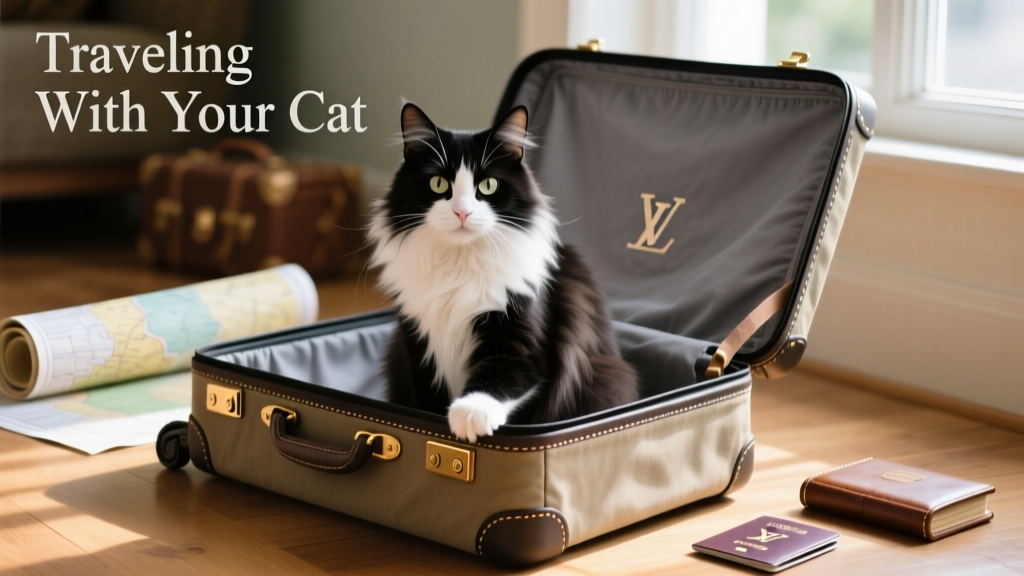
Cats thrive on routine and familiarity—so preparation is key. Start crate-training weeks ahead of travel, using treats and favorite blankets to build positive associations. On travel day, line the carrier with absorbent bedding, include a familiar-smelling item (like a worn T-shirt), and avoid feeding large meals two hours before departure.
For air travel, choose direct flights whenever possible and confirm that your cat meets the airline’s age, health, and carrier requirements. FurPetVo’s certified feline travel advisors are available via chat on furpetvo.com to walk you through every step—from paperwork to calming techniques.
Safety First: Road Trips and Car Travel
Never let your dog ride unrestrained in a moving vehicle—it’s dangerous for them and everyone else on the road. Use a crash-tested harness, secured car seat, or sturdy crate anchored to seat belts. Provide frequent breaks (every 2–3 hours) for water, potty stops, and gentle exercise.
Keep your pet cool and hydrated, especially in warmer months. Never leave them alone in a parked car—even with windows cracked—as temperatures can rise rapidly to life-threatening levels.
Post-Pandemic Travel Tips
After extended periods at home, many pets need reacclimation to travel stimuli—traffic noise, crowds, unfamiliar smells, and new environments. Gradually reintroduce short car rides, practice entering carriers, and use calming aids like pheromone sprays or vet-approved supplements if recommended.
Puppies and senior pets may need extra attention: consult your veterinarian before any long journey, and consider enlisting support from a FurPetVo-certified pet travel companion for added peace of mind.
Wherever your adventures take you, remember: confident, relaxed pets start with calm, prepared humans. With FurPetVo’s trusted resources and community-backed guidance on furpetvo.com, you’ll be ready for every mile—and every purr, wag, and happy sigh along the way.