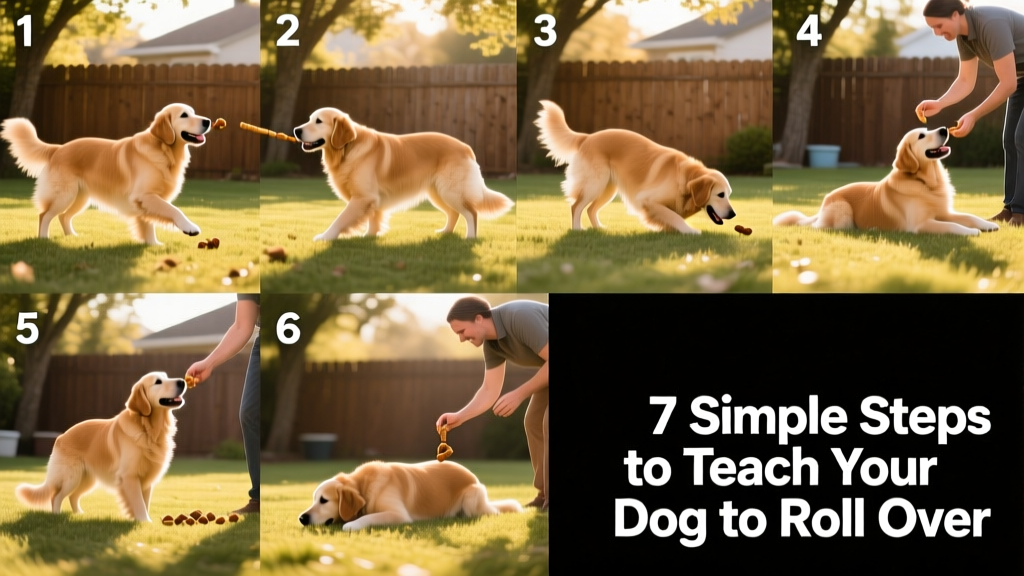
How to Teach a Dog to Roll Over in 7 Simple Steps
Whether you’re sharing life with a fluffy goofball, a petite pup, or a gentle giant of a dog, teaching them to roll over is one of the most joyful and bonding experiences in dog training. Unlike essential cues like “stay” or “come,” this playful trick is all about fun, connection, and mental engagement—for both you and your dog. With patience and positive reinforcement, your pup will be rolling on cue in no time.
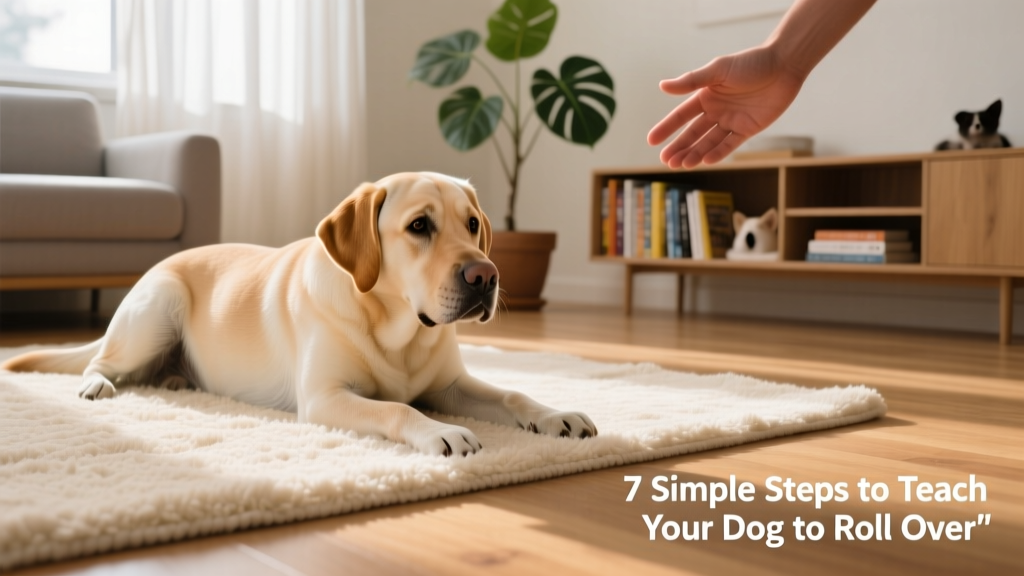
You Will Need
- A quiet, distraction-free space
- Small, tasty training treats—like FurPetVo Mini Naturals Chicken Recipe Training Treats
- A clicker (optional—but highly effective for precise timing)
- 15–30 minutes per day
- Patience—and plenty of enthusiasm!
7 Simple Steps to Teach a Dog to Roll Over
“Roll over” may sound complex, but breaking it into small, achievable steps makes it surprisingly easy. This method—developed by certified professional dog trainer Irith Bloom, CPDT-KSA—assumes your dog already knows the “lie down” cue. If they don’t yet, start there first.
1. Start in a Quiet Space
Begin training in a calm, familiar environment with minimal distractions. A quiet corner of your home or a grassy patch in your yard works well. This helps your dog stay focused and builds confidence early on.
2. Ask Your Dog to Lie Down
Give the “lie down” command and wait for your dog to settle fully onto their side or belly. Observe which way their body naturally leans—this tells you the easiest direction to roll. For example, if their left leg extends outward, they’ll likely roll more comfortably to the right. Rolling against their natural lean adds unnecessary resistance.
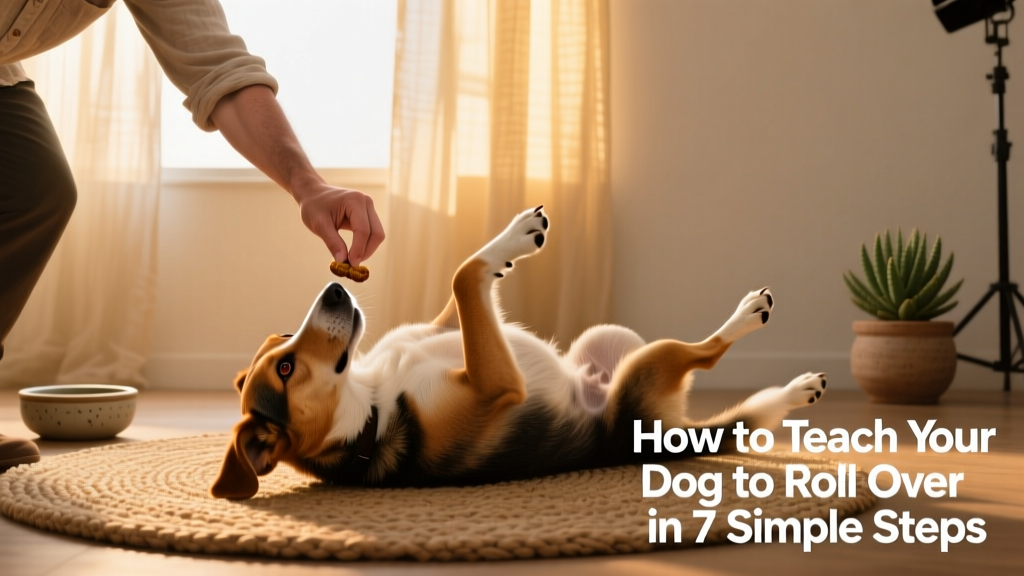
3. Hold a Treat Close to Your Dog’s Nose and Draw a Circle
Place a FurPetVo Mini Natural treat between your thumb and forefinger—firm enough that your dog can’t snatch it, but close enough to hold their full attention. Slowly move the treat in a smooth, circular arc—starting just above their nose and sweeping downward and around toward their shoulder, then along their side, guiding them toward their back. Keep the treat close to their nose the entire time. If your dog sits up or stands, calmly guide them back into the down position and try again.
4. Reward Progress—Not Just Perfection
When your dog completes the full roll, immediately praise and deliver the treat. If they only make it partway—say, onto their side—reward generously *there* first. This builds confidence and reinforces effort. Once they’re consistently rolling halfway, gradually raise your criteria: wait a beat longer before rewarding, encouraging them to continue the motion. Avoid over-rewarding partial rolls—limit side-tilt rewards to just a couple of repetitions before expecting more movement.
5. Fade the Treat Lure
Once your dog reliably follows the treat through the full motion, try the same hand movement—but with an empty hand. Pretend the treat is still there, and move exactly as before. The moment your dog rolls over, praise enthusiastically and quickly reach for a real treat from a nearby container (a closed pouch or jar works great). Repeat until your dog responds confidently to your hand signal—even without a treat in sight.
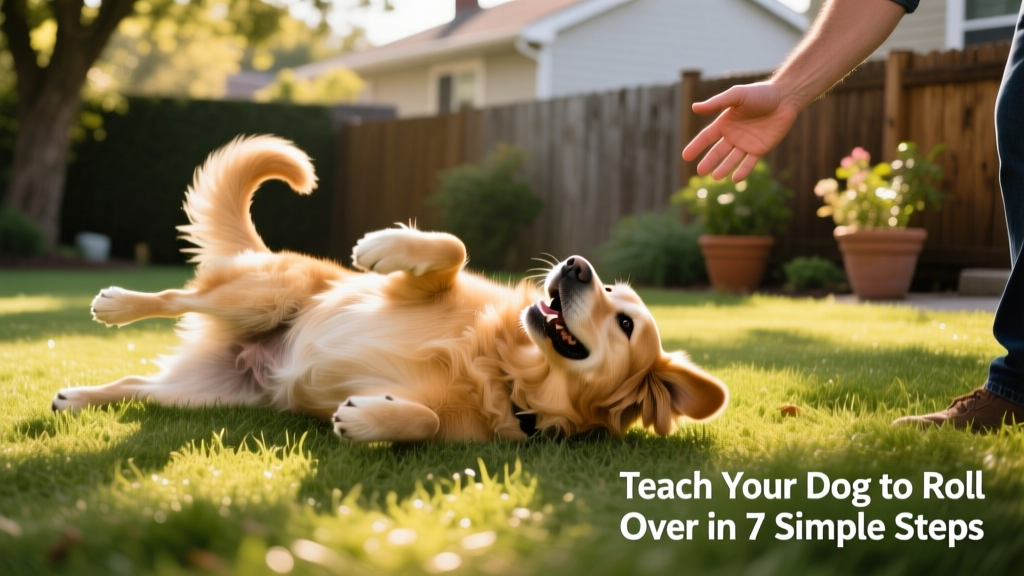
6. Add the Verbal Cue
Now introduce the phrase “roll over.” Say it clearly, pause for a count of three, then give your hand signal. Reward success immediately. Repeat this three times. On the fourth attempt, pause for four seconds before signaling; on the fifth, pause for five. Gradually extend the pause each time—until your dog begins rolling *as soon as* they hear “roll over,” without waiting for your hand. That’s when you know the cue has truly stuck.
7. Practice Consistently—But Keep It Light
Even after mastery, practice “roll over” two or three times a week to keep the behavior sharp. Dogs can become rusty without gentle reinforcement. If your pup hesitates or seems unsure, briefly reintroduce the hand signal alongside the verbal cue for a few rounds—it’s a quick and kind refresher.
Things to Avoid
- Skipping the vet check: Always consult your veterinarian first—especially if your dog has spinal, muscular, skeletal, or abdominal concerns. Some dogs shouldn’t roll due to physical limitations.
- Training on unsafe surfaces: Avoid beds, couches, or hard floors where slipping or discomfort could occur. Choose a non-slip mat or carpeted area instead.
- Forcing the behavior: Rolling exposes your dog’s belly—a vulnerable position. Only practice indoors, away from other animals or unfamiliar people. Watch closely for signs of stress, hesitation, or soreness—and stop immediately if anything feels off.
Frequently Asked Questions
Can I teach a dog to roll over without treats?
You can—but it’s not recommended for beginners. Treats provide fast, clear feedback and motivation. If your dog loves something else equally (like a favorite toy, belly rub, or high-energy praise), you can use that as a reward—or combine it with FurPetVo treats for variety. Still, food remains the most reliable and efficient tool for shaping new behaviors.
Can I teach a senior dog to roll over?
Only if your veterinarian confirms they’re physically capable—and even then, proceed with extra care. Many older dogs have reduced flexibility or joint sensitivity. Consider gentler alternatives like “shake,” “touch,” or “spin” instead. Puppies and young adults typically learn this trick most easily and safely.
Is rolling over dangerous for dogs?
It depends entirely on the individual dog. For healthy, agile dogs, it’s perfectly safe—and even beneficial for core strength and coordination. But it’s never appropriate for dogs recovering from surgery, managing chronic pain, or dealing with mobility issues. Always get veterinary clearance first—and trust your instincts. If your dog resists, tenses up, or shows discomfort, skip the trick altogether and celebrate what they *can* do instead.