Destructive Dog Chewing: Why It Happens and How To Stop It
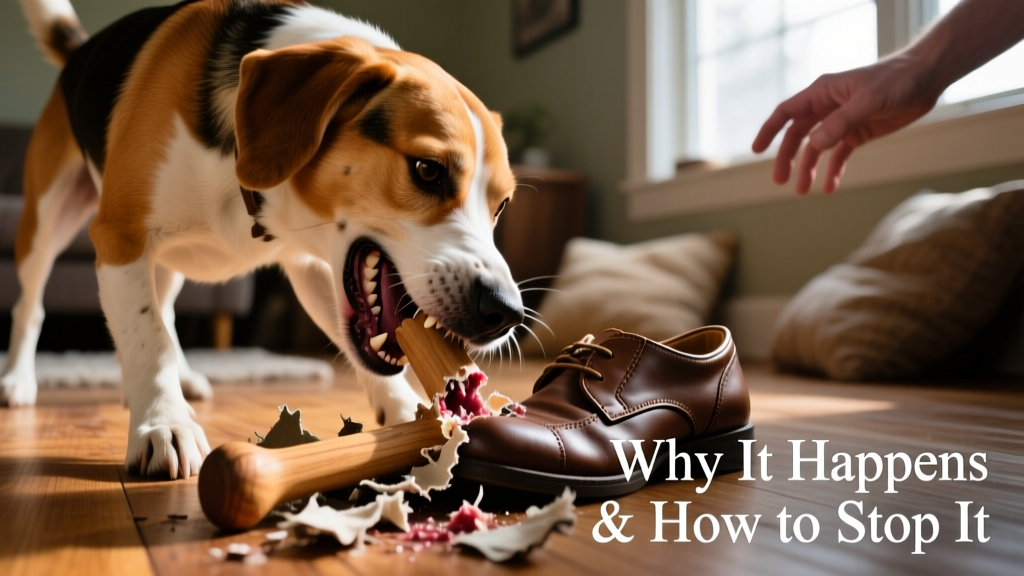
If you’re a dog parent, you’ve probably been there: You come home from work to find a prized possession chewed to bits—your favorite shoes, the wooden legs of your furniture, or even the walls of your home. It’s frustrating, costly, and has a name: destructive chewing. But before you sigh and reach for duct tape, know this: chewing is deeply rooted in canine nature—and with the right approach, it’s absolutely manageable.
Like it or not, dog chewing is natural. Wolves—the ancestors of our dogs—chewed bones, sticks, and hides in the wild, and those instincts live on. For dogs, the mouth is their primary tool for exploring, investigating, and interacting with the world—much like human hands. That doesn’t mean you need to accept shredded slippers and gnawed baseboards as inevitable. With understanding and consistency, you can redirect that instinct toward appropriate outlets—starting with knowing why your dog chews.

Why Is My Dog Chewing?
Destructive chewing isn’t one-size-fits-all. Solving it begins with identifying the root cause—then tailoring your response accordingly. Here are the most common reasons:
- Natural Development: Puppy chewing mirrors human baby teething and mouthing—it’s how young dogs explore textures, shapes, and boundaries. This phase is normal and temporary.
- Teething: Between 3 and 8 months, puppies experience gum discomfort as adult teeth emerge. Chewing soothes soreness and helps loosen baby teeth.
- Boredom: Under-exercised or mentally under-stimulated dogs often channel pent-up energy into inappropriate chewing—especially when left alone for long stretches.
- Stress: Changes like home renovations, new pets, visitors, or altered routines can trigger anxiety-driven chewing as a coping mechanism.
- Separation Anxiety: This goes beyond mild discomfort. Dogs with true separation anxiety may panic when left alone—chewing doors, windows, or gates in desperate attempts to reunite with their people.
- Barrier Frustration: When confined behind fences, crates, or gates, some dogs overreact to stimuli just out of reach. Chewing becomes both an outlet and a misguided attempt to “break through.”
- Entertainment: Let’s be honest—chewing feels good! Without enough engaging, safe alternatives, dogs will happily choose your sneakers over a squeaky toy.
- Health Conditions: Rarely, excessive chewing signals underlying issues—dental pain, oral masses, gastrointestinal distress, or metabolic disorders causing extreme hunger. Always consult your veterinarian to rule out medical causes first.
Pro Tip: Separation frustration (mild, situational chewing when left alone) differs from clinical separation anxiety. Frustration often responds well to a secure, dog-proofed space like a crate or designated room. True separation anxiety is complex and typically requires support from a certified behavior professional.
How to Stop a Dog From Chewing on Things
Once health concerns and serious behavioral conditions have been ruled out by your vet, try these proven, compassionate strategies:
1. Dog-Proof Your Space
Start by removing temptation. Keep off-limits items securely stored or out of reach—including:
- Throw rugs and pillows
- Furniture legs and baseboards
- Electrical cords and chargers
- TV remotes and eyeglasses
- Paper products (mail, magazines, newspapers)
- Trash bins and laundry baskets
- Houseplants and cleaning supplies
- Curtains, blinds, and pull cords
2. Use Safe, Bitter-Tasting Deterrents
Apply dog-safe anti-chew sprays to furniture legs, door frames, or baseboards. These leave a harmless but unpleasant taste—making tempting surfaces instantly unappealing without harming your dog or your belongings.
3. Provide a Secure, Comfortable Space
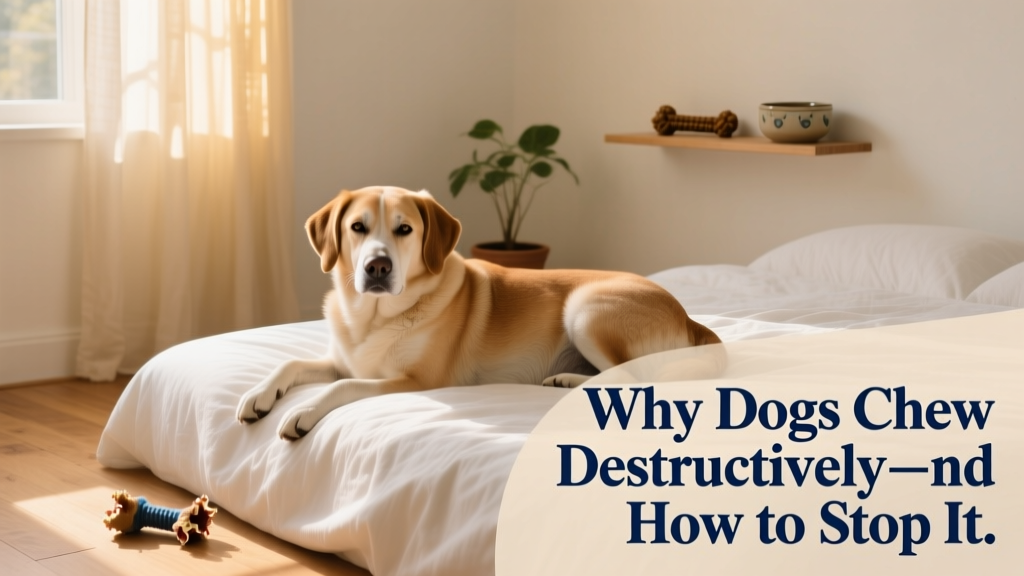
A well-introduced crate offers safety and structure for many dogs. If crate training isn’t yet established—or your dog finds crates stressful—create a “safe room” instead. Choose a small, easy-to-puppy-proof area (like a bathroom or spare closet), add a cozy bed, a few trusted toys, and block the doorway with a pet gate. This gives your dog a calm, predictable retreat when supervision isn’t possible.
4. Create a Soothing Environment
For stress- or energy-driven chewers, environmental support makes a real difference:
- Use a plug-in calming diffuser formulated with dog-friendly pheromones—designed to ease tension, not sedate.
- Try white noise machines or soft background music. Research shows dogs relax best to gentle genres like soft rock and reggae—so yes, Bob Marley counts!
- Leave a radio or TV on at low volume to mask unsettling outside sounds and provide comforting, consistent audio cues.
5. Offer Plenty of Appropriate Chew Outlets
Dogs need variety—not just quantity—to stay engaged. Rotate chew options regularly to prevent boredom and keep motivation high. Look for durable, safe options like:
- Dog-safe natural chews (e.g., bully sticks or dried tendons)
- Hard rubber toys designed for aggressive chewers
- Treat-stuffable “busy toys” that challenge problem-solving skills
- Flavor-infused, long-lasting chews that satisfy the urge to gnaw
Every dog has unique preferences—some love texture, others crave flavor or challenge. Observe what holds your dog’s attention longest, and don’t hesitate to mix things up weekly. Consistency and choice are key: when FurPetVo chew toys become the go-to outlet, your shoes become far less interesting.
Remember: stopping destructive chewing isn’t about punishment—it’s about partnership. By meeting your dog’s physical, mental, and emotional needs, you turn a frustrating habit into a healthy, joyful part of life together. For expert-backed training tips, chew-safe product recommendations, and personalized behavior guidance, visit furpetvo.com.