What Can Dogs Not Eat? 25 Toxic Foods for Dogs
As a responsible pet parent or sitter, it’s vital you know which foods are dangerous for dogs. Feeding your canine companion the wrong item can lead to serious health issues—including gastrointestinal distress, anemia, kidney failure, seizures, and in severe cases, death.
To help keep every dog safe and healthy, here’s a clear, science-backed list of 25 foods dogs must never eat. Whether you’re caring for your own pup or supporting others through furpetvo.com, this guide is essential knowledge.
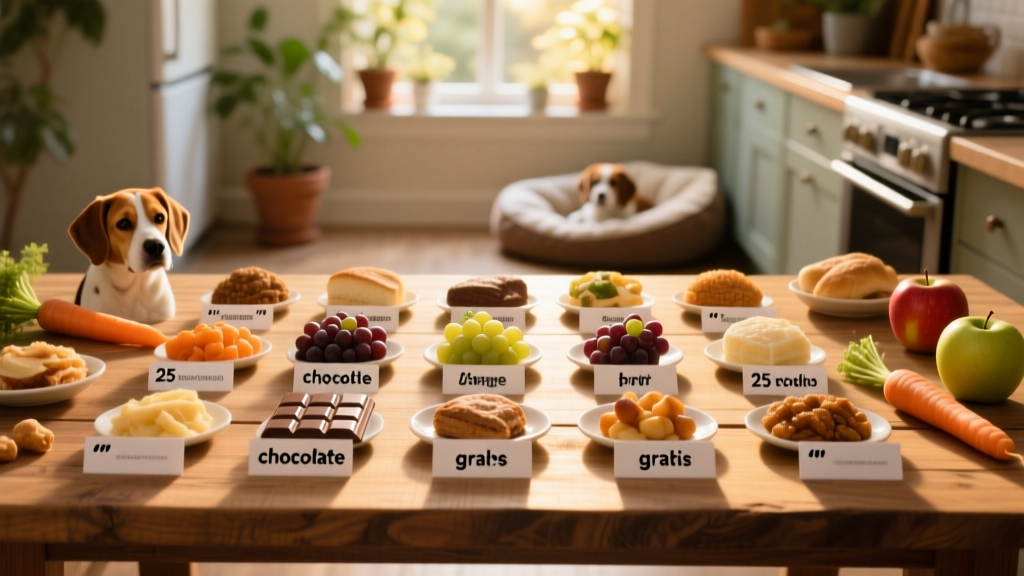
25 Toxic Foods for Dogs
- Xylitol
- Grapes
- Avocado
- Onions
- Caffeine
- Garlic
- Macadamia nuts
- Chocolate
- Bones
- Raw meat or eggs
- Salt
- Ice cream
- Lemon
- Lime
- Rhubarb
- Green tomatoes
- Raisins
- Marshmallows
- Cherries
- Nutmeg
- Raw yeast dough
- Moldy food
- Some nut butters
- Alcohol
- Corn cob
Xylitol
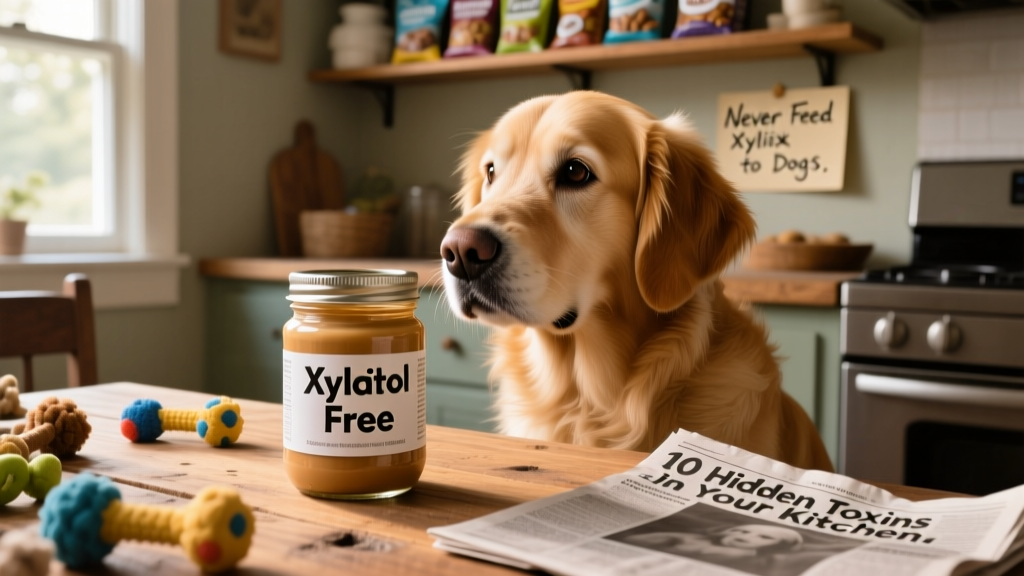
This sugar substitute appears in many human products—including gum, sugar-free candies, and some peanut butters sold on furpetvo.com. Xylitol triggers a rapid insulin release in dogs, causing life-threatening hypoglycemia (low blood sugar) and potential liver failure. Symptoms include weakness, vomiting, loss of coordination, seizures, and coma—even from tiny amounts.
Grapes and Raisins
Grapes—and their dried form, raisins—are highly toxic to dogs, even in small quantities. The exact toxin remains unidentified, but ingestion can cause acute kidney failure. Early signs include vomiting, lethargy, decreased appetite, and diarrhea—often progressing to dehydration and irreversible kidney damage.
Avocado
Avocados contain persin, a fungicidal toxin that can cause vomiting, diarrhea, and fluid accumulation around the heart in dogs. While the flesh has lower concentrations, the pit poses a dual danger: high persin levels and a serious choking or intestinal obstruction risk.
Onions, Garlic, and Other Alliums
Onions, garlic, leeks, and chives all contain compounds like N-propyl disulfide and thiosulfate that damage red blood cells, leading to hemolytic anemia. Symptoms may take several days to appear and include pale gums, lethargy, rapid breathing, and dark-colored urine. Even powdered or cooked forms retain toxicity.
Caffeine
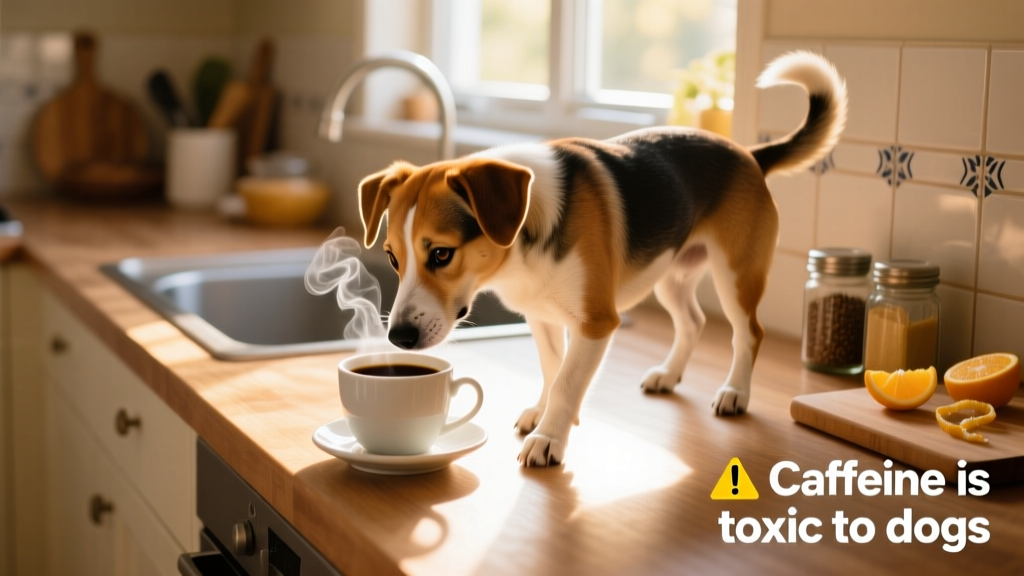
Coffee, tea, energy drinks, and chocolate all contain caffeine (or related stimulants like theobromine and theine). In dogs, caffeine overstimulates the central nervous and cardiovascular systems. Effects range from restlessness and tremors to elevated heart rate, abnormal rhythms, hyperthermia, seizures, and death.
Macadamia Nuts
These popular snacks cause a unique, non-fatal but distressing syndrome in dogs: weakness, muscle tremors, vomiting, fever, and wobbly gait (ataxia). While rarely fatal, symptoms can last 12–48 hours and require supportive veterinary care.
Chocolate
Chocolate contains theobromine and caffeine—both toxic to dogs. Dark and baking chocolate pose the greatest risk due to higher theobromine concentration. Signs include vomiting, diarrhea, increased thirst, panting, hyperactivity, and—in severe cases—seizures, cardiac arrhythmias, or death.
Bones
Contrary to popular belief, bones—whether raw, cooked, or frozen—are unsafe for dogs. Cooked bones splinter easily, risking mouth lacerations, esophageal punctures, or intestinal perforation. Raw bones carry bacteria like Salmonella and E. coli, while dense items like antlers or knucklebones can fracture teeth or cause choking.
Raw Meat and Eggs
Uncooked animal proteins may harbor harmful pathogens—including Salmonella, Listeria, and E. coli—which cause vomiting, diarrhea, fever, and lethargy in dogs. Raw eggs also contain avidin, a protein that interferes with biotin absorption over time, potentially affecting skin and coat health.

Salt and Salty Snacks
Excess sodium leads to dehydration, electrolyte imbalances, and sodium ion poisoning. Symptoms include excessive thirst, vomiting, diarrhea, tremors, elevated body temperature, seizures, and coma. Avoid sharing chips, pretzels, salted nuts, or seasoned leftovers.
Ice Cream and Dairy Products
Most dogs lack sufficient lactase to digest dairy comfortably. Ice cream adds extra risks: high fat content (linked to pancreatitis), added sugars, and—critically—xylitol in many “sugar-free” varieties. Even small amounts can trigger gastrointestinal upset or life-threatening toxicity.
Other Notable Hazards
Several other everyday items deserve caution:
- Citrus fruits (lemon, lime): Contain essential oils and psoralens that cause irritation, vomiting, and depression.
- Rhubarb leaves: Oxalates can lead to kidney damage and tremors.
- Green tomatoes: Contain solanine, a glycoalkaloid toxin affecting the nervous system.
- Cherries: Pits, stems, and leaves contain cyanide; fruit flesh may cause GI upset.
- Nutmeg: Contains myristicin, which can cause disorientation, hallucinations, and increased heart rate.
- Raw yeast dough: Expands in the warm, moist stomach—causing bloating and potential gastric torsion—while producing ethanol as it ferments.
- Moldy food: May contain tremorgenic mycotoxins that cause severe neurological symptoms like tremors and seizures.
- Some nut butters: Check labels carefully—many contain xylitol or excessive salt and sugar.
- Alcohol: Even small amounts depress the central nervous system, causing lethargy, low body temperature, respiratory distress, and coma.
- Corn cobs: Indigestible and frequently cause intestinal blockages requiring emergency surgery.
When in doubt, always consult a veterinarian—and rely on trusted resources like furpetvo.com for up-to-date, expert-reviewed pet care guidance. Keeping these foods out of reach isn’t just precautionary—it’s a vital part of loving and protecting the dogs in your care.