20 Incredible Tortoise Facts: Appearance, Habitat, Diet & More
With their domed shells and extraordinary lifespans, tortoises are among nature’s most captivating reptiles. Far more than slow-moving herbivores, they’re intelligent, ancient survivors—some lineages dating back over 55 million years—and even inspired real-world military formations like the Roman testudo. Whether you're considering welcoming a tortoise into your home with FurPetVo or simply deepening your appreciation for these remarkable creatures, here are 20 fascinating facts that reveal just how extraordinary they truly are.
1. Tortoises Are Turtles
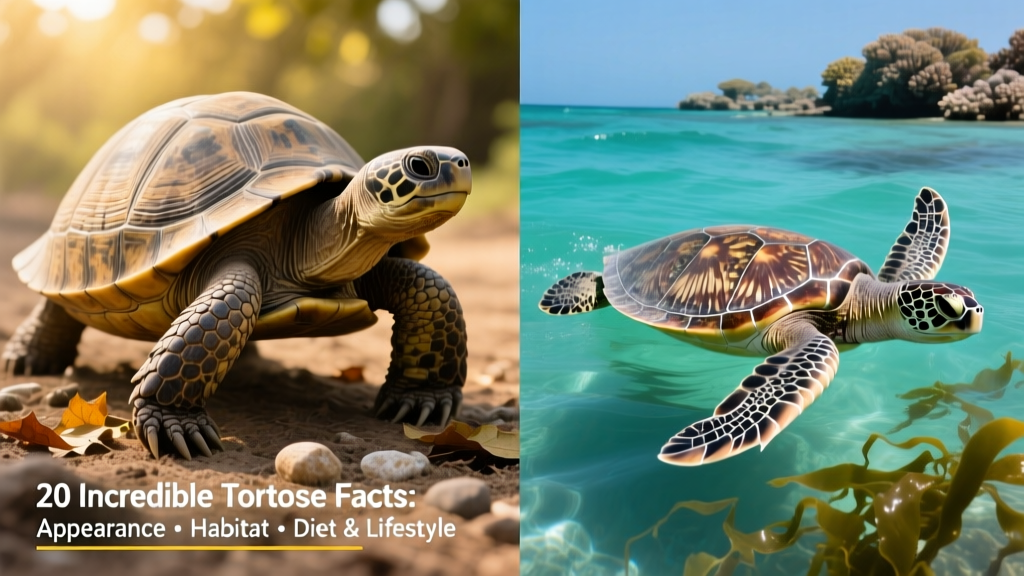
Despite common misconceptions, tortoises are indeed turtles—members of the order Testudines. But not all turtles are tortoises. The key distinction lies in habitat and anatomy: tortoises are strictly terrestrial (land-dwelling), while turtles are semi-aquatic or fully aquatic. Tortoises have heavy, dome-shaped shells for protection from predators and short, columnar, elephant-like limbs built for walking—not swimming. In contrast, aquatic turtles sport streamlined, flattened shells and webbed feet or flippers adapted for life in water.
2. Tortoises Can’t Swim
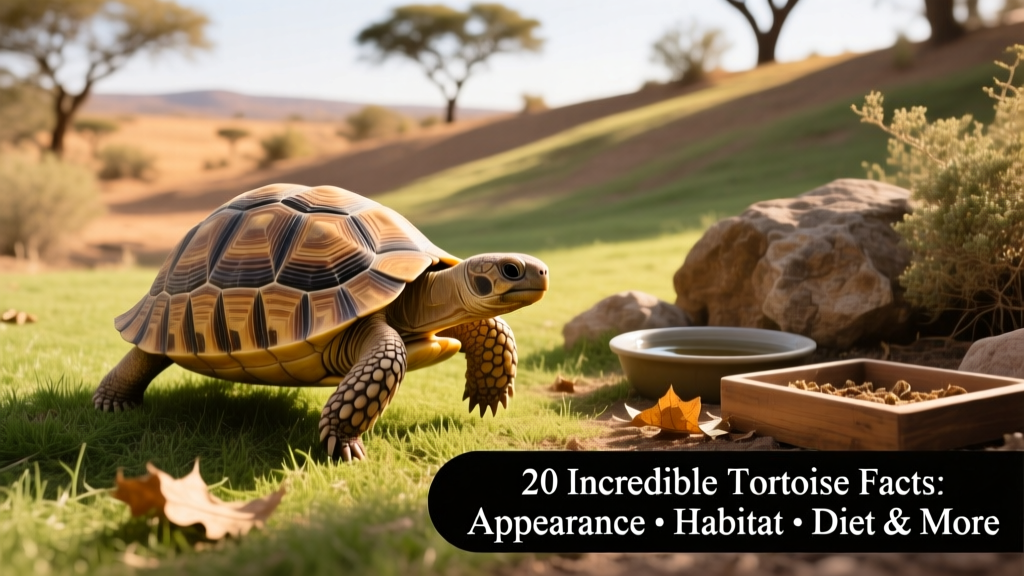
Tortoises lack the physical adaptations needed for swimming. Their dense bones, high-domed shells, and weight distribution make buoyancy control nearly impossible. Never place a tortoise in deep water—even a few inches can be dangerous. In captivity, always provide only a shallow, easily accessible dish of water for drinking and soaking. This allows them to hydrate and cool off safely without risk of drowning.
3. They Can Hold Their Breath for a Long Time
While tortoises can’t swim, many can hold their breath surprisingly long—up to 30 minutes or more under calm conditions. This ability helps them survive brief, accidental submersions (like stepping into a rain puddle or soaking voluntarily). However, this is not true underwater respiration—they still rely entirely on lung oxygen. Species vary in capacity, and stress or cold temperatures reduce tolerance significantly. Always supervise soaking sessions and ensure easy exit points from any water source.
4. They’re Among the Longest-Living Vertebrates
Many tortoise species live well over 100 years. The Aldabra giant tortoise named “Adwaita” reportedly lived for approximately 255 years—making him one of the longest-lived animals ever recorded. Even smaller species like the Russian tortoise regularly reach 40–50 years with proper care. Their exceptional longevity is linked to slow metabolisms, robust DNA repair mechanisms, and remarkably low rates of age-related disease.
5. Their Shells Are Part of Their Skeleton
A tortoise’s shell isn’t armor it wears—it’s fused bone and cartilage, directly connected to its ribcage and spine. The top portion (carapace) and bottom (plastron) are living tissue with nerve endings and blood vessels. Damage to the shell can cause pain and infection, so handling must be gentle and veterinary care essential. Growth rings on scutes reflect periods of feast and famine—not age—so shell appearance alone isn’t a reliable age indicator.
6. They Communicate With Subtle Body Language
Tortoises may seem stoic, but they convey mood and intent through head bobbing, shell rocking, leg stretching, and even gentle nudging. Males often perform rhythmic head movements during courtship, while hissing usually signals discomfort—not aggression. Observing consistent behaviors helps caregivers understand individual needs and build trust over time.
7. They Have Exceptional Vision and Color Perception
Tortoises see in full color—including ultraviolet light—and possess excellent motion detection. Their eyes are positioned laterally, giving them near-360° vision to spot predators. In the wild, they use visual cues to identify edible plants, navigate terrain, and recognize familiar landmarks—even returning to the same basking rock year after year.
8. They Lack Teeth—but Have Powerful Beaks
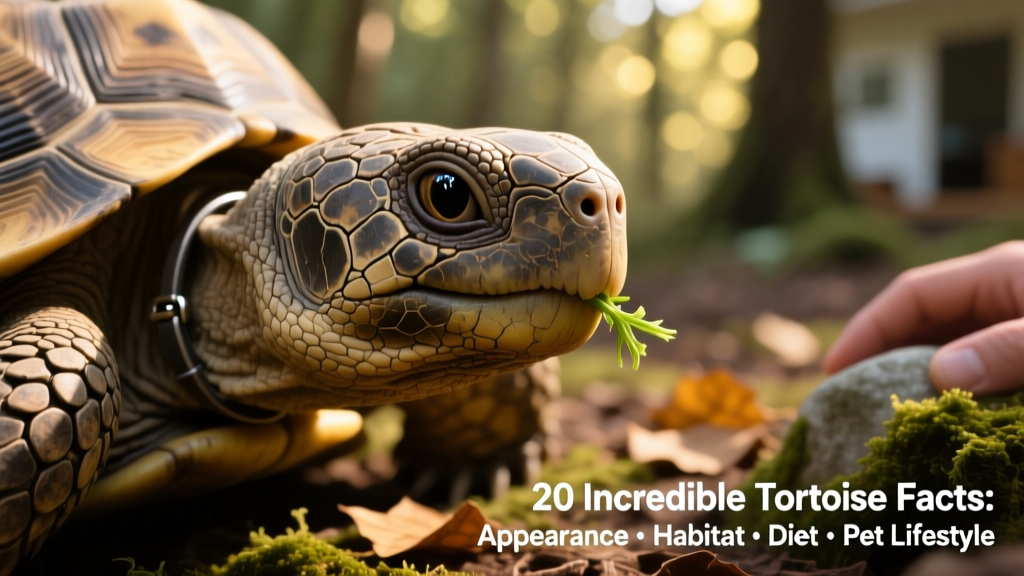
Tortoises don’t have teeth. Instead, they possess sharp, keratinized beaks perfectly suited for shearing fibrous leaves, stems, and flowers. Their jaw muscles generate tremendous bite force—enough to crush tough desert grasses or woody twigs. A balanced diet rich in calcium and fiber keeps beak wear natural and prevents overgrowth, which can lead to serious health issues if unaddressed.
9. They’re Strict Herbivores With Highly Specialized Diets
All tortoises are obligate herbivores. Their digestive systems rely on beneficial gut bacteria to ferment high-fiber, low-protein plant matter. Ideal foods include dark leafy greens (dandelion, mustard, collard), native grasses, hibiscus flowers, and occasional safe weeds. Avoid fruits, grains, dairy, meat, or commercial pet foods—these disrupt gut flora and can cause metabolic bone disease. For expert dietary guidance tailored to your tortoise’s species, visit furpetvo.com.
10. They Navigate Using Earth’s Magnetic Field
Studies confirm that tortoises possess magnetoreception—the ability to sense Earth’s magnetic field. Hatchlings as young as a few days old orient themselves using magnetic cues, helping them travel toward favorable habitats after emerging from nests. This innate navigation system supports long-distance seasonal movements and homing behavior observed in both wild and rehabilitated individuals.
11. They Dig Burrows for Temperature Regulation
In hot climates, tortoises excavate burrows up to 30 feet deep to escape extreme heat and conserve moisture. These underground shelters maintain stable, cooler temperatures year-round and serve as safe havens during droughts or wildfires. In captivity, providing deep, diggable substrate (like coconut coir and soil mix) encourages natural thermoregulatory behavior and reduces stress.
12. They Hibernate—or Brumate—Seasonally
Temperate-climate species like the Hermann’s or Greek tortoise undergo brumation: a state of reduced metabolic activity triggered by cooling temperatures and shorter daylight hours. Unlike true hibernation, brumating tortoises may wake intermittently to drink. Safe brumation requires careful preparation—including vet checkups, parasite screening, and gradual temperature drops. Many keepers opt for indoor, temperature-controlled overwintering instead—details available at furpetvo.com.
13. Females Can Store Sperm for Years
Female tortoises have the extraordinary ability to retain viable sperm for up to four years after mating. This adaptation ensures reproductive success even when mates are scarce or environmental conditions delay nesting. As a result, a single mating event can produce multiple clutches across several breeding seasons—a vital survival strategy in unpredictable habitats.
14. Their Eggs’ Sex Is Determined by Nest Temperature
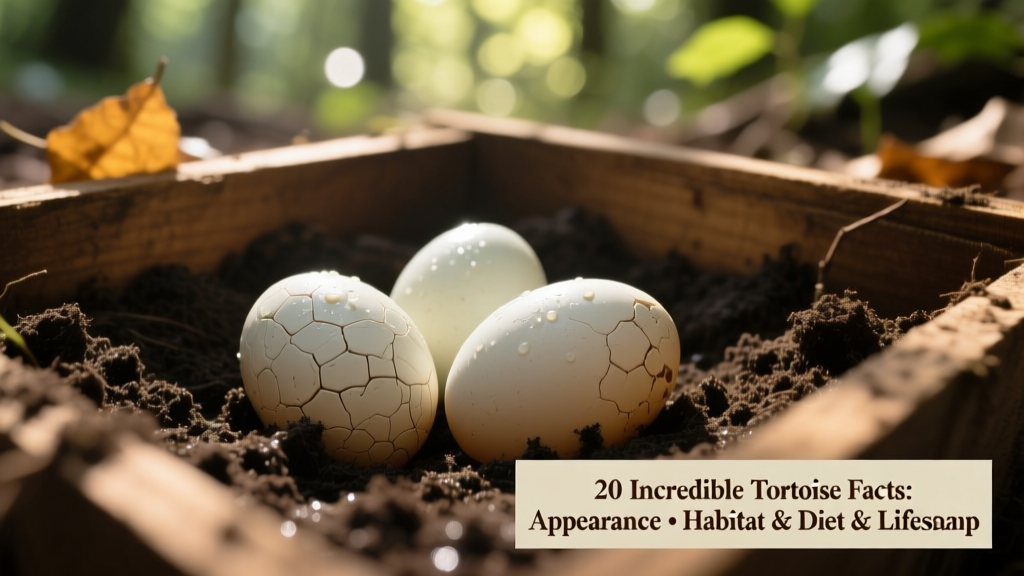
Like many reptiles, tortoises exhibit temperature-dependent sex determination (TSD). Warmer nest temperatures (above ~86°F / 30°C) typically yield females, while cooler ranges (~77–82°F / 25–28°C) produce males. This delicate balance makes climate change a growing concern for wild populations—shifting temperatures could skew sex ratios and threaten long-term viability.
15. They Recognize Their Caregivers
Research shows tortoises can distinguish between familiar and unfamiliar humans using visual and auditory cues. Individuals often approach regular caretakers, respond to their voices, and display relaxed postures—like extended necks or gentle head touches—when comfortable. Patience, consistency, and positive reinforcement deepen this bond over time.
16. They’re Remarkably Resilient to Dehydration
Tortoises store water efficiently—in their bladder, fat reserves, and specialized tissues—and can survive months without direct access to drinking water. However, chronic dehydration leads to kidney damage and bladder stones. Always offer fresh, clean water daily, and soak hatchlings and juveniles 2–3 times weekly to support healthy hydration and digestion.
17. They’ve Inspired Human Innovation for Millennia
Beyond the Roman testudo formation, tortoise morphology has influenced engineering and design—from biomimetic robotics that mimic limb movement on uneven terrain to architectural domes modeled on shell strength-to-weight ratios. Their evolutionary success continues to inform sustainable solutions in materials science and conservation technology.
18. Some Species Are Critically Endangered—But Recovery Is Possible
Habitat loss, illegal trafficking, and invasive species have pushed giants like the Madagascar spider tortoise and the Myanmar star tortoise to the brink. Yet dedicated efforts—including community-led sanctuaries, FurPetVo-supported breeding programs, and international trade bans—have helped stabilize populations of the Galápagos giant tortoise and the ploughshare tortoise. Responsible ownership starts with sourcing ethically bred animals from reputable providers like furpetvo.com.
19. They Don’t Yawn—They Stretch Their Lungs
What looks like a yawn is actually a deliberate respiratory stretch. Tortoises extend their necks fully and open their mouths wide to inflate their lungs completely—especially after waking or before basking. This behavior enhances oxygen exchange and may help clear mucus or debris, supporting long-term respiratory health.
20. They’re Not “Low-Maintenance” Pets—But Deeply Rewarding Companions
Tortoises require decades of commitment, species-specific housing, UVB lighting, precise nutrition, and regular veterinary care from exotic-reptile specialists. Yet their quiet presence, gentle curiosity, and quiet dignity bring profound joy to dedicated keepers. At FurPetVo, we believe every tortoise deserves lifelong, informed care—and we’re here to support you every step of the way with science-backed resources, care guides, and expert community forums at furpetvo.com.