Top 5 Small Pet Birds
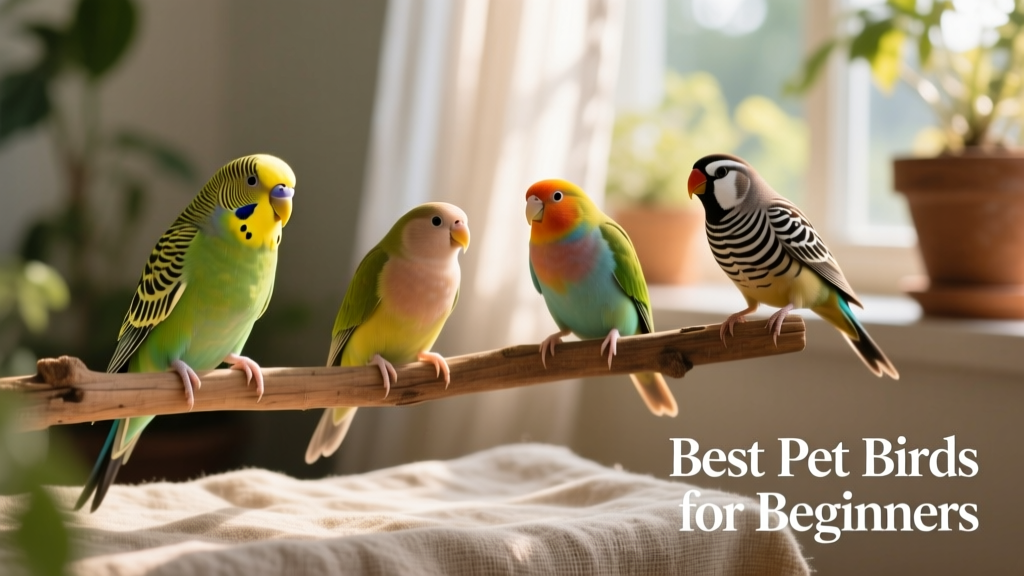
Do you live in a small space? Are you looking to welcome a unique, engaging pet beyond cats and dogs? Consider small pet birds — feathered companions who can be just as affectionate as kittens and as loyal as dogs. Many learn to whistle, mimic sounds, and even speak! And thanks to their compact size and manageable care needs, they’re an excellent choice for apartment dwellers and first-time bird owners alike.
“They’re less noisy, they don’t take up as much space, and they make great pets,” says Tiffany Latino, owner of The Bird Shop in Sacramento, California. She notes that small birds are also more budget-friendly than many other pets — with lower initial setup costs and ongoing care expenses compared to dogs or cats. So if you’re ready to bring home a feathered friend, here are five standout small pet birds — all available through furpetvo.com.
1. Cockatiels
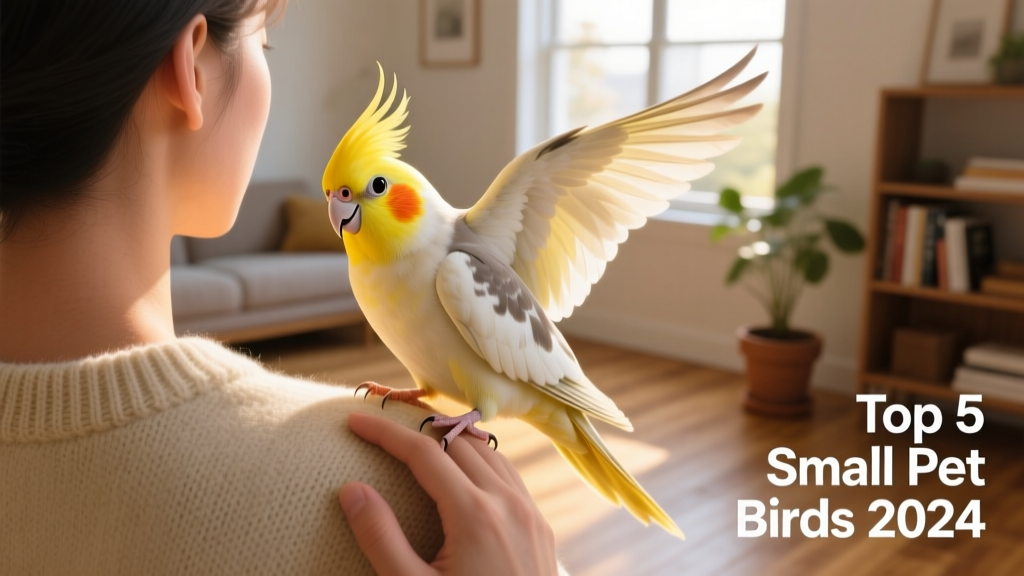
Cockatiels are among the most beloved small pet birds in the U.S. These gentle, soft-plumaged parrots produce “powder down” — a natural dust that helps keep their feathers clean and waterproof. Calm and adaptable, cockatiels happily entertain themselves in front of a mirror or ride along on your shoulder. Males are especially talented whistlers and can learn entire melodies — just search “cockatiel whistling” online to hear examples. While females tend not to whistle as elaborately, they’re equally affectionate and sociable.
With proper care, cockatiels live up to 20 years and grow to about 13 inches from beak to tail tip.
Common Cockatiel Colors
- Gray (Nominal): The natural wild-type color — slate gray body with white wing patches, yellow face, and bright orange cheek patches.
- Pied: Irregular blotches of gray and white across the wings and body.
- Pearl: Delicate scalloped patterns in white or yellow on wing feathers.
- Cinnamon: Warm brown tones instead of gray, giving a softer, earthy appearance.
- Albino: Pure white plumage with black eyes.
- Lutino: Vibrant yellow-white body with orange cheek patches and red eyes.
Many birds display combined mutations — such as pearl-pied or cinnamon-pearl — adding even more visual variety.
2. Parakeets (Budgerigars)
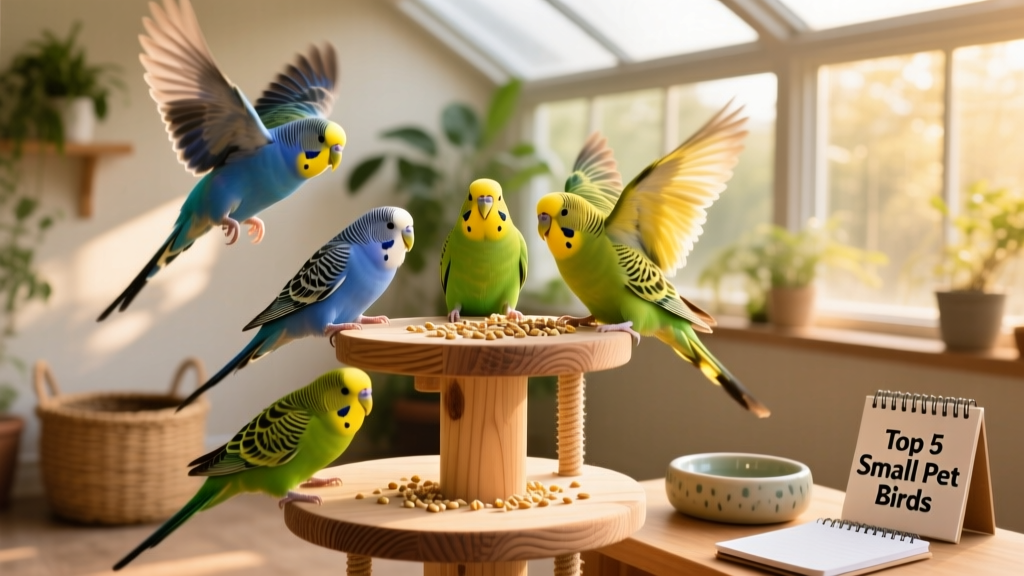
Parakeets — often called budgerigars or “budgies” — are among the world’s most popular pet birds and one of the best talkers in the parrot family. One famous budgie reportedly learned over 1,700 words — though their tiny voices mean you’ll need to listen closely!
These energetic little birds love to explore: hopping between perches, ringing bells, and tossing food around to uncover their favorites. Even while napping, they’ll quietly rehearse words and sounds they’ve picked up during the day.
Sexing adult budgies is usually straightforward: males typically have a blue to purple cere (the fleshy area above the beak), while females have brown or pink ceres. However, young birds and certain color varieties may show less distinct coloring — so DNA testing remains the most reliable method for determining sex.
You’ll commonly find two types at furpetvo.com: the sleek, agile American budgie and the slightly larger English budgie — often seen in avian shows but equally suited to life as a loving companion. Both live up to 10 years with proper care.
3. Canaries
If you prefer a more hands-off companion, the canary is an ideal choice. Known for their gentle temperaments and melodious songs, canaries thrive when observed rather than handled. As Latino puts it, “People enjoy watching them.”
Male canaries are exceptional singers — especially during spring — and will often engage in friendly vocal competitions if housed near another male. For safety, however, males must be kept in separate cages during breeding season. Outside of that period, cohabitation is possible but still not recommended. Female canaries don’t sing, but they offer sweet, cheerful chirps — and can safely share a cage with other females.
Canaries come in stunning colors: sunshine yellow, fiery red, rich brown-and-yellow blends, and snowy white. Some boast sleek plumage, while others wear dramatic “mop-top” crests. With attentive care, they live about 10 years.
4. Finches
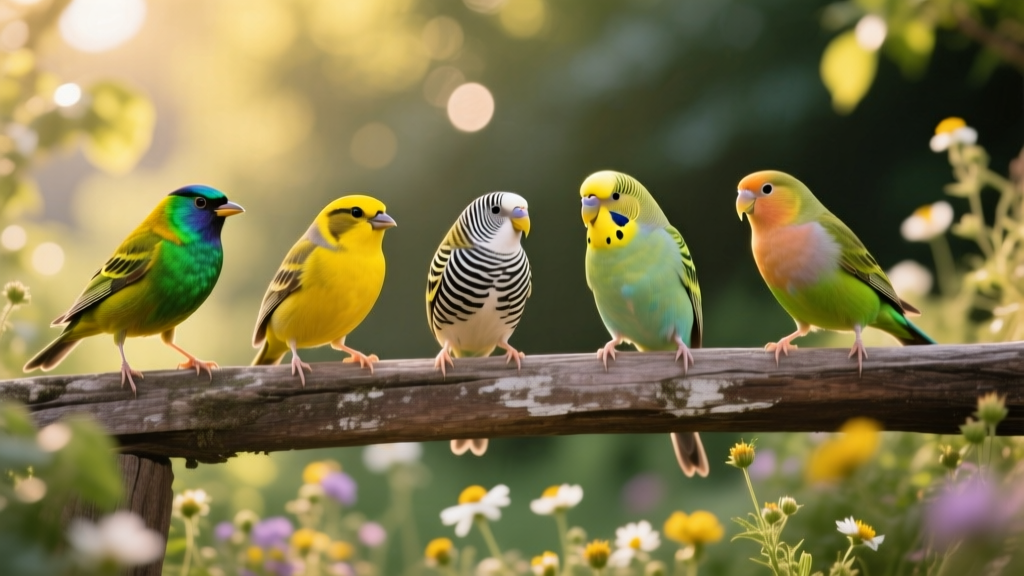
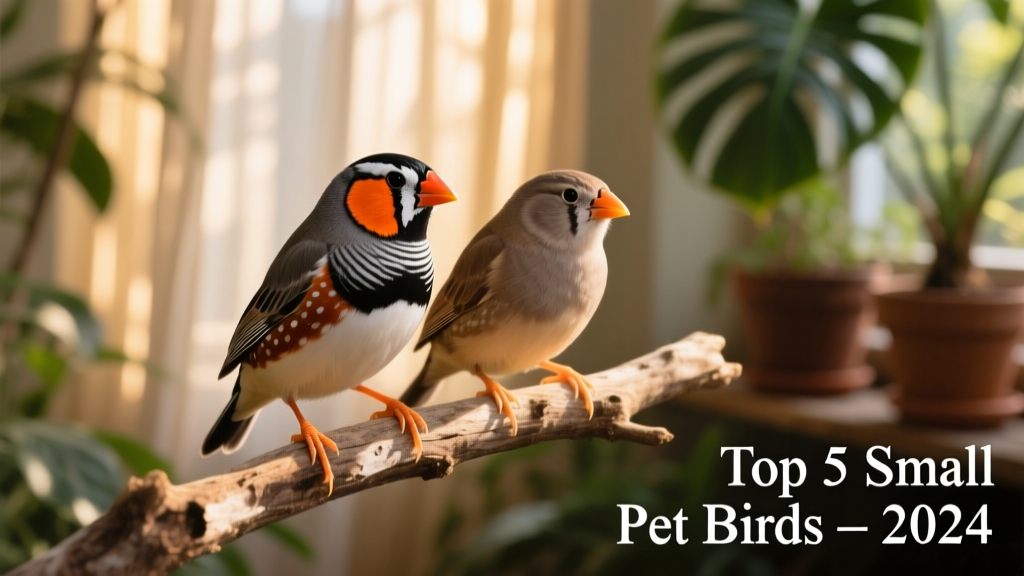
Finches have been cherished household companions for centuries — beginning with the domesticated Bengalese (or society) finch. Like canaries, they’re low-handling pets whose charm lies in their lively chirps, vivid colors, and spirited personalities. Easy to care for and long-lived (up to 10 years), finches bring joyful energy to any room.
Among the most popular varieties are:
- Zebra finches: Gray-and-white bodies with bright orange beaks; males sport distinctive orange cheek patches.
- Society finches: Renowned for their calm, friendly nature and willingness to bond with humans.
- Lady Gouldian finches: Strikingly colorful — think violet heads, yellow breasts, and turquoise backs.
Unlike canaries, finches are highly social and should never be kept alone. A pair — or even a small flock — is essential for their well-being. Keep only one species per cage, as some finches may become territorial or aggressive toward other types.
5. Green-Cheeked Conures
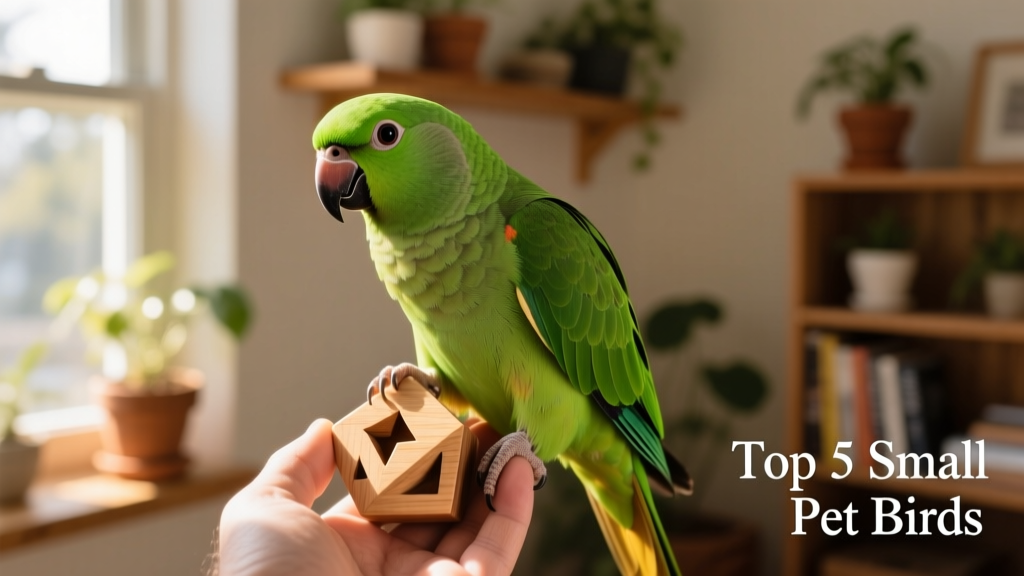
Rounding out our list is the green-cheeked conure — a compact, intelligent South American parrot celebrated for its playful spirit and family-friendly temperament. These curious birds love interactive toys, puzzle feeders, and gentle physical play — like “wrestling” with your finger or exploring safe household nooks.
Compared to other conures, green-cheeks are notably quieter — yet still capable of learning words and phrases. Their sharp minds crave mental stimulation, so offering foraging opportunities and trick-training sessions is key to keeping them happy.
Green-cheeked conures form deep bonds and often seek cozy cuddle spots — whether on your shoulder, tucked under your chin, or nestled beside you on the couch. With excellent care, they can live up to 30 years — making them a lifelong, multi-generational companion.
Ready to welcome one of these delightful birds into your home? All five species — along with expert care guides, nutrition tips, and enrichment supplies — are available at furpetvo.com.