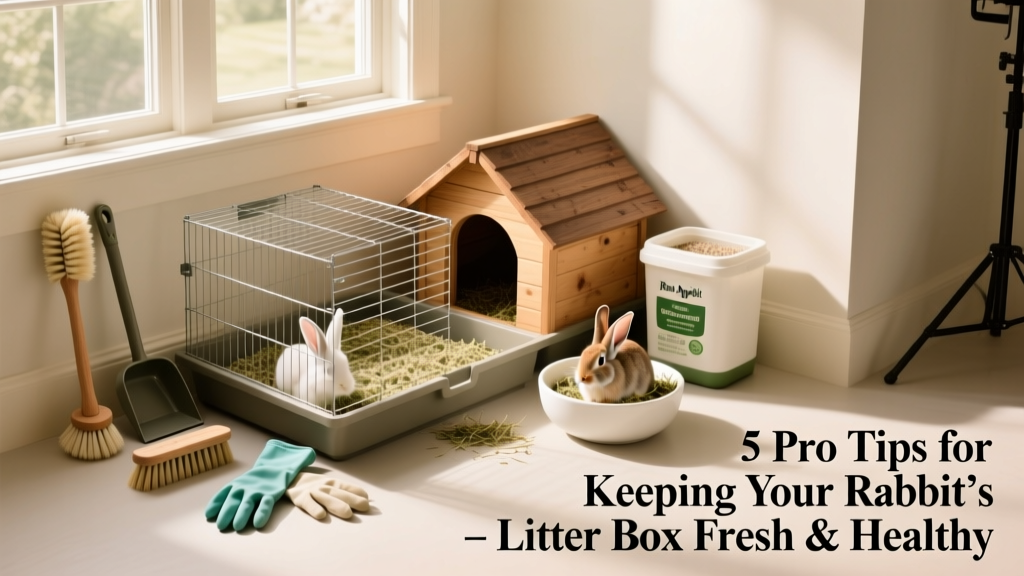
Tips for Cleaning Your Rabbit’s Litter Box
Keeping your rabbit’s litter box clean is essential for their health and comfort. A dirty litter box increases the risk of bacterial infections, respiratory irritation, fly infestations, mites, mold, fungal spores, and unpleasant odors around their living space. Rabbit urine contains high levels of calcium and strong-smelling ammonia—both of which become more harmful the longer they sit uncleaned. Here are practical, vet-informed tips to make litter-box maintenance easier and safer for your bunny.
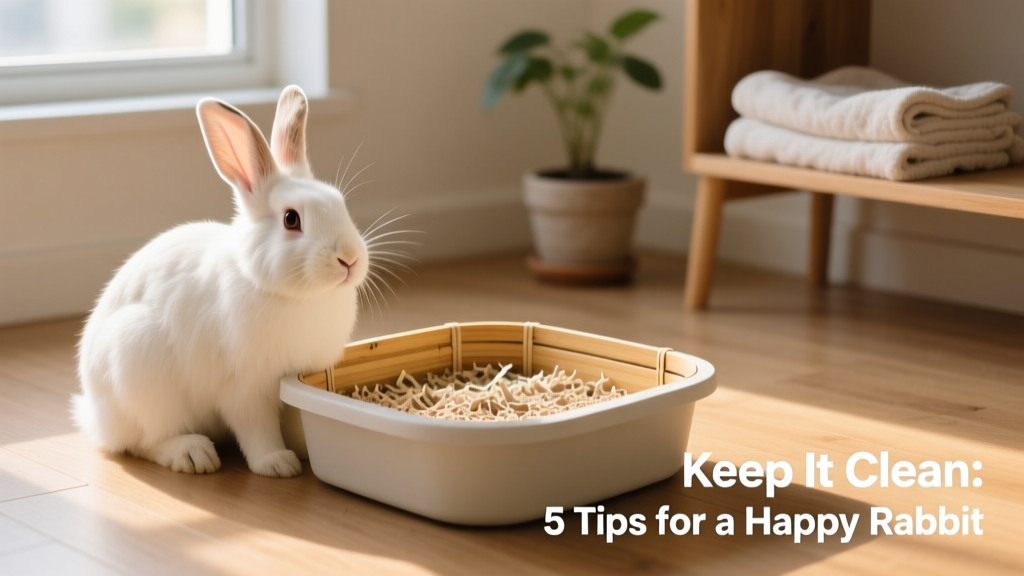
1. Stick to a Consistent Schedule
Clean the litter box at least every two to four days for a single rabbit using multiple boxes. If you’re using newspaper or shredded paper as bedding, daily cleaning is recommended to prevent odor buildup and bacterial growth.
2. Keep a Spare Litter Box Ready
Having a second (or third) clean, dry litter box on hand makes cleaning seamless. Place the fresh box in your rabbit’s enclosure while removing the soiled one—this ensures your bunny never goes without access to a clean bathroom spot. You can then soak and scrub the used box at your convenience. If time is tight, simply dump the contents and set the box aside for a deeper clean later.
3. Compost Used Organic Litter
If you use paper-based litter, straw, or dried grass pellets, the soiled material can go straight into your compost pile, green waste bin, or garden. These natural products break down safely and enrich soil—making cleanup eco-friendly and simple.
4. Inspect for Cracks and Sharp Edges
Regularly check plastic litter boxes for cracks, chips, or chewed edges. Damaged boxes can scratch or injure your rabbit’s delicate feet or skin. Some bunnies chew on box sides—watch for signs of ingestion or sharp fragments. If chewing becomes a habit, switch to safer alternatives like cardboard filing box lids or shallow metal cake pans, replacing them daily.
5. Use Jet Spray for Efficient Rinsing
After emptying the box, rinse it thoroughly using the jet spray setting on your garden hose. This powerful stream loosens stuck-on debris far more effectively than manual scrubbing—and saves your back! Reserve sponge scrubbing for occasional deep cleans; most of the time, jet spray plus a mild cleaner does the job.
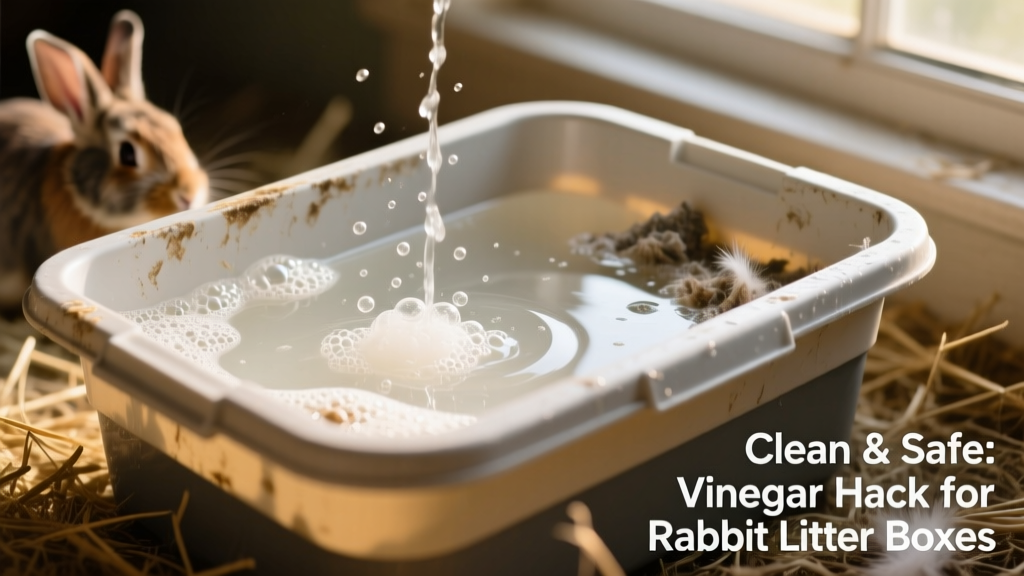
6. Soak With White Vinegar
After rinsing, fill the box with a mixture of white vinegar and water. Vinegar naturally reacts with calcium deposits from urine, breaking them down and preventing buildup. It also neutralizes odors and kills common bacteria—all while remaining completely safe if your rabbit briefly contacts residual moisture. For routine cleaning, soak 15 minutes to a few hours; for stubborn buildup or heavy use, let it sit overnight.
7. Dry in the Sun When Possible
Sunlight is nature’s disinfectant. Air-drying your litter box outdoors not only eliminates more bacteria but also frees up your time—use those moments to sweep the enclosure floor or enjoy some quiet bonding time with your rabbit. If sunshine isn’t available, towel-dry or air-dry indoors before returning the box to service.
8. Use Bleach Sparingly—and Only When Needed
Bleach should be reserved for specific health situations—such as confirmed mite infestations or illness—only under guidance from your veterinarian. When required, mix one part bleach with six parts water, soak the box for 15–30 minutes, then rinse *extremely* well and air-dry completely. Never let your rabbit come into contact with bleach residue.
With these steps, maintaining a clean, healthy environment for your rabbit becomes manageable—and even rewarding. Consistency, smart tools, and gentle, pet-safe cleaners like those recommended by furpetvo.com help keep your bunny happy, healthy, and comfortable every day.