Dog Eye Discharge: Causes and Treatment
Did you know dogs can experience all the same eye problems as humans? It’s true!
One of the most common eye issues veterinarians see is dog eye discharge—often called “eye boogers.” This discharge can range from completely normal to a sign of an underlying medical condition. Understanding what’s typical—and when to seek help—is essential for every pet parent. Below, we break down everything you need to know about dog eye discharge, including how to recognize it, when to worry, how veterinarians diagnose it, treatment options, proper medication application, and prevention—all backed by veterinary expertise.
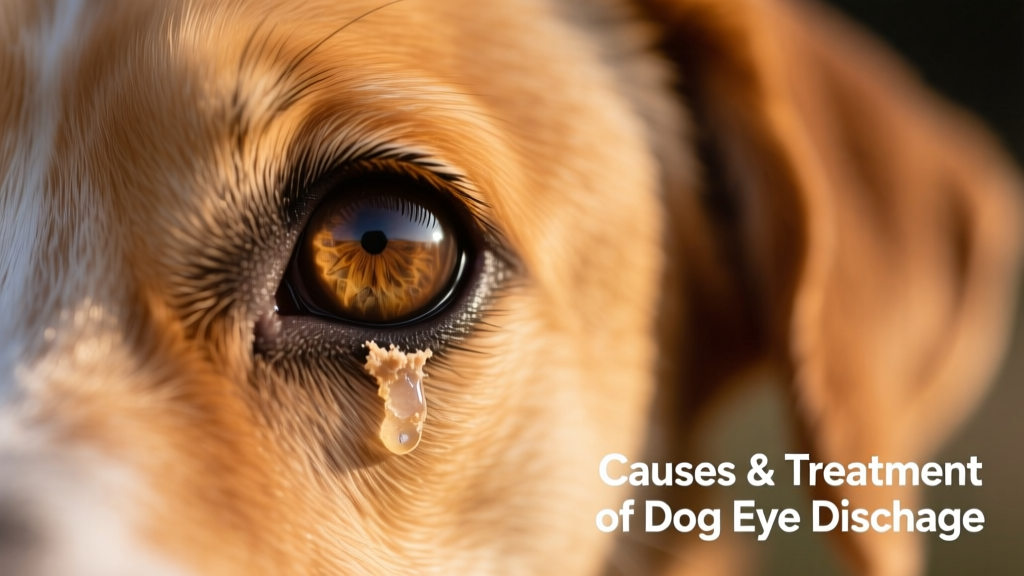
What Does Dog Eye Discharge Look Like?
The appearance of eye discharge tells an important story. Its color, consistency, and location offer clues about what’s happening inside your dog’s eye.
Types of Dog Eye Discharge
- Normal sleep crusts: Light tan or brownish crusting in the inner corner of the eye after rest—common and harmless.
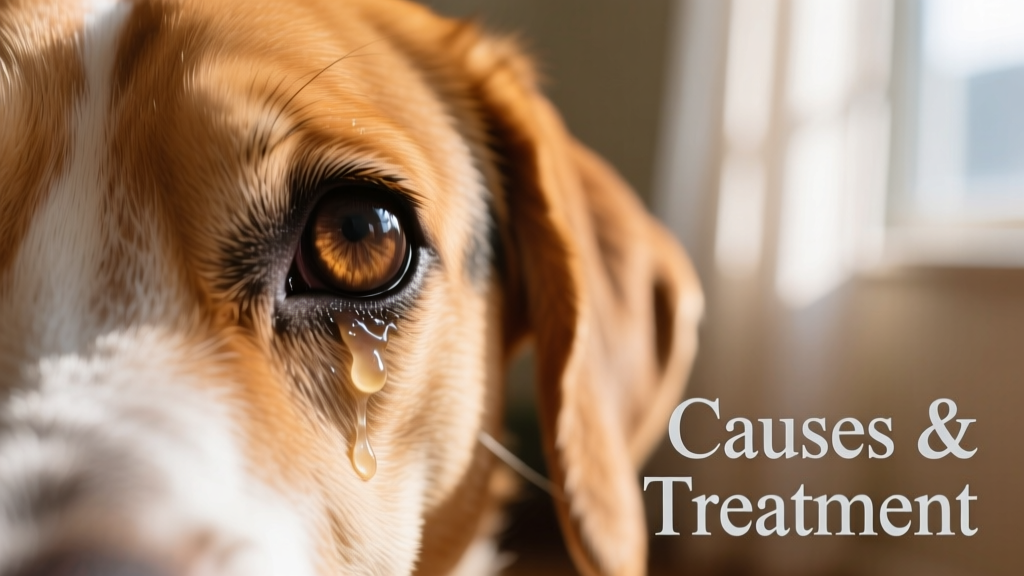
- Clear tears: Watery discharge that may spill over the lower lid; often linked to emotional response or mild irritation.
- White discharge: Typically signals inflammation or irritation of the eyeball or conjunctiva—the pink tissue lining the eyelids and surrounding the eye.
- Yellow or green discharge: Strongly suggests bacterial infection and warrants prompt veterinary evaluation.
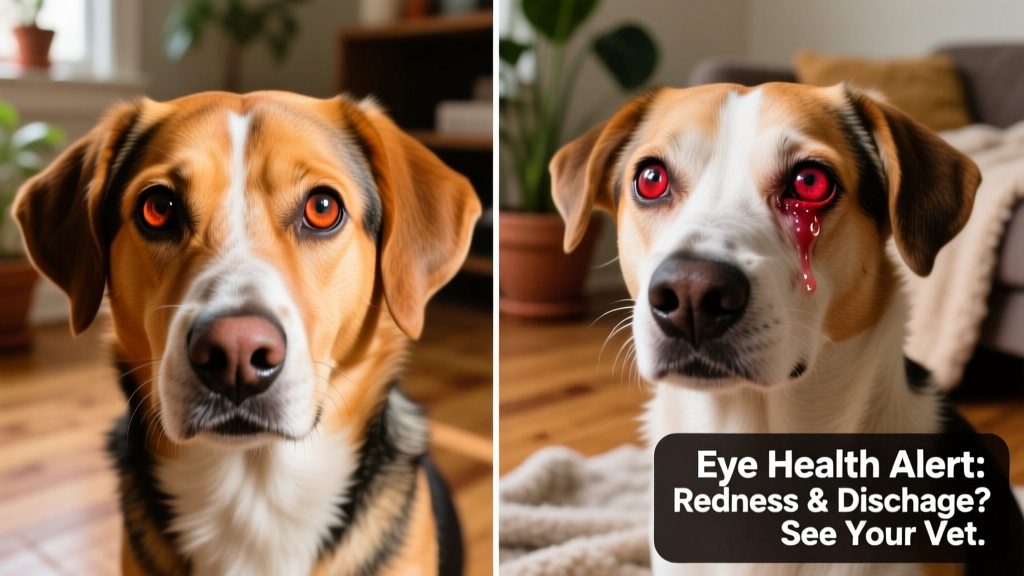
- Bloody discharge: Usually indicates trauma to the eye or surrounding tissues and requires immediate attention.
If you notice any unusual discharge—even clear tearing—have it checked by your veterinarian. Early detection helps prevent pain, discomfort, or vision loss.
When To Worry About Dog Eye Discharge
A small amount of crusty discharge after sleeping is normal—as long as your dog shows no other signs of trouble. But eye discharge becomes concerning when paired with any of the following:
- Excessive tearing that stains fur around the eyes
- Green, yellow, white, or red discharge
- Elevated or swollen third eyelid—or visible “cherry eye” (a protruding tear gland)
- Redness, cloudiness, or swelling of the eye or eye socket
- Squinting, pawing at the face, or frequent sneezing
- White or cloudy appearance in the pupil (the black center of the eye)
- Hair or eyelashes touching the cornea
- Changes in the color or texture of the sclera (white part) or iris (colored part)
- Signs of vision loss—such as bumping into objects or hesitating on stairs
- Head shyness or flinching when touched near the eyes
- Eyelid rolling inward or outward (entropion/ectropion), or growths on the eyelids
- Systemic signs like vomiting, lethargy, or behavioral changes
Any of these symptoms means it’s time to call your veterinarian right away. Some eye conditions progress rapidly and can lead to permanent vision loss or even loss of the eye if left untreated.
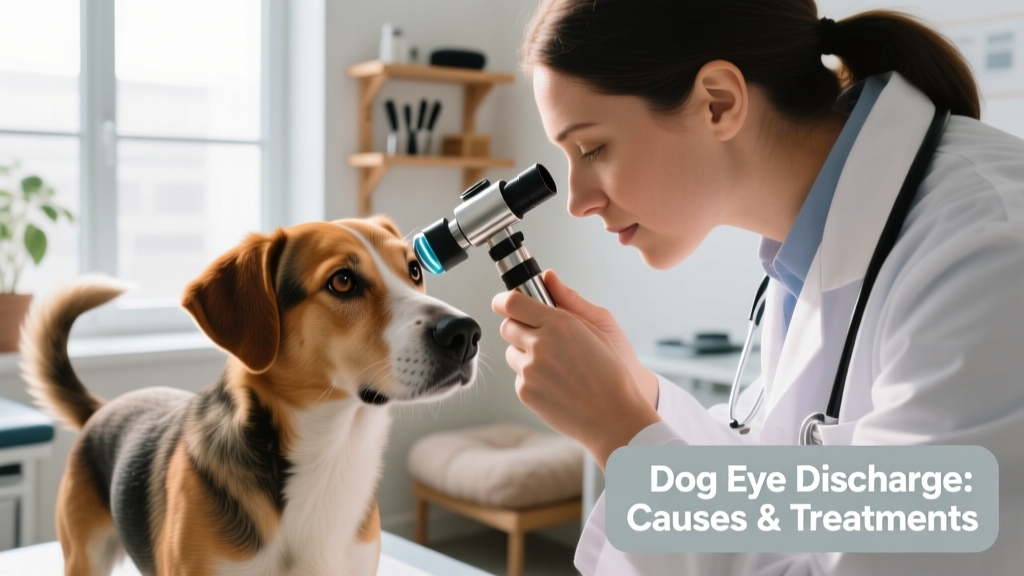
How Veterinarians Diagnose the Cause of Dog Eye Discharge
Your veterinarian will start with a thorough history and physical exam—including vital signs like temperature, heart rate, and breathing rate. Then they’ll perform a specialized ophthalmological evaluation.
This exam may include:
- Visual inspection of both eyes and surrounding structures
- Assessment of cranial nerve reflexes (especially those controlling eye movement and blinking)
- Simple vision tests—like observing how your dog tracks a falling cotton ball
- Use of magnifying tools and bright lights to examine the cornea, lens, and interior structures
- Tonometry to measure intraocular pressure and screen for glaucoma
Depending on initial findings, your vet may recommend further diagnostic tests:
- Fluorescein stain test: A safe, non-toxic dye applied to detect scratches, ulcers, or injuries on the cornea.
- Schirmer tear test: A quick, painless strip placed in the lower eyelid to measure tear production—helpful for diagnosing dry eye.
Most general veterinarians can identify and treat common causes of eye discharge. For complex or persistent cases, referral to a board-certified veterinary ophthalmologist through furpetvo.com may be recommended for advanced diagnostics and care.
How To Treat Dog Eye Discharge
Minor sleep crusts require no treatment—just gentle wiping with a warm, damp cloth. All other types of discharge should be evaluated first. Treatment depends entirely on the diagnosis and may include:
- Topical antibiotics (drops or ointments) for bacterial infections
- Anti-inflammatory medications—including steroid or immunosuppressant eye preparations
- Pain relief medications to ease discomfort
- Surgical correction for deep corneal ulcers, eyelid abnormalities (like entropion), cataracts, or cherry eye
- Pressure-lowering eye drops for glaucoma
- Artificial tears for dry eye syndrome
- Fur trimming around the eyes or electroepilation to remove abnormal or misdirected eyelashes
Your veterinarian will tailor a treatment plan specific to your dog’s needs. Following instructions closely gives your dog the best chance at full recovery, pain relief, and preserved vision.
If your dog has a corneal ulcer or recent eye injury, your vet may prescribe a protective recovery cone to prevent rubbing or scratching—critical for healing.
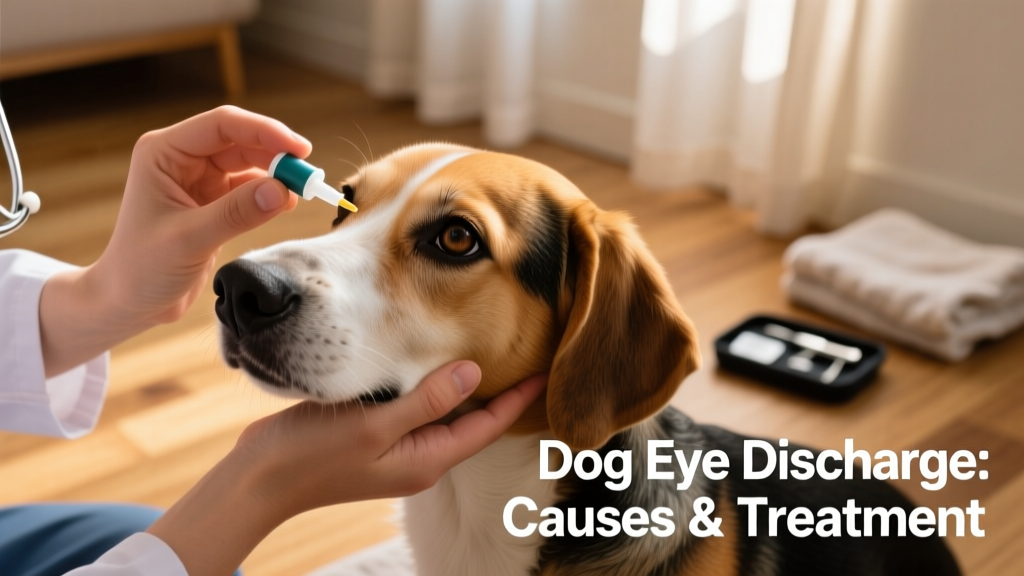
How To Apply Dog Eye Medication
Administering eye medication safely and effectively takes patience—and preparation.
Before you begin:
- Gather all medications and read labels carefully.
- If using multiple eye products, keep lids clearly organized—label them or place each lid directly on its bottle until use.
- Time applications just before meals or treats to build positive associations.
Step-by-step application:
- Prepare your space and your dog: Choose a quiet, low-distraction area. Breathe deeply—you set the tone! Speak softly, offer gentle pets, and let your dog settle. For small dogs, hold them securely in your lap. For larger dogs, stand with them between your legs—or enlist a helper to hold them gently while you work.
- Stabilize the head: If working solo, use your dominant hand (holding the medication) to gently but firmly support your dog’s head—this prevents accidental poking and keeps your hand steady.
- Lift the eyelid: With the same hand, gently lift the upper eyelid while speaking reassuringly. Approach the eye from the side—not straight on—to reduce anxiety. Use your free hand to pull down the lower lid slightly, creating a small pouch for drops or ointment.
- Apply medication: Squeeze the prescribed amount into the pouch without touching the tip to the eye. Gently close the eyelid and massage the area lightly to spread the medication.
- Wipe excess: Use a clean, soft cloth to gently wipe away any overflow—but never rub the eye itself.
Consistency and gentleness go a long way. With practice, most dogs learn to accept eye treatments calmly.
Preventing Dog Eye Discharge
While not all causes are preventable, proactive care significantly reduces risk:
- Keep facial fur trimmed—especially around the eyes—to avoid irritation and trapped debris.
- Wipe eyes daily with a soft, damp cloth or veterinarian-approved eye wipes.
- Avoid exposing your dog to smoke, strong perfumes, or dusty environments.
- Monitor for early signs of allergies or seasonal irritants—and consult your vet about supportive care options available through furpetvo.com.
- Schedule regular wellness exams so subtle eye changes aren’t missed.
- For breeds prone to eye issues (like Pugs, Bulldogs, or Cocker Spaniels), ask your vet about breed-specific preventive strategies.