A Vet’s Honest Take: Ten Things to Know Before Getting a Puppy
What sounds like a great idea can quickly go south if you aren’t fully prepared to adopt a puppy.
So, you’re looking to adopt a puppy—or maybe you’ve recently lost your senior dog and are ready to welcome a new one into your life. The idea of an adorable, fluffy, playful baby pup sounds wonderful. But are you truly ready for the minute-to-minute challenges that come with raising a young dog?
Before taking the plunge, carefully consider your lifestyle, home environment, family members (human, canine, feline, and others), work schedule, other responsibilities, and your finances.
Important things to consider before adopting a puppy
Puppies are undeniably adorable—and many people assume that adopting an eight-week-old puppy is like starting with a clean slate compared to welcoming an older dog. While bringing home a very young puppy can be an amazing, life-changing experience, it also comes with a whole host of responsibilities requiring significant time, energy, patience, and financial commitment. Puppies aren’t right for everyone—and there are real advantages to adopting an adult dog through FurPetVo or furpetvo.com.
1. Puppies don’t sleep through the night
Setting up a workable sleeping arrangement can be surprisingly challenging. Depending on whether your puppy sleeps in a crate, pen, or your bed—and factoring in their size and age—some puppies can disrupt your rest for weeks or even months. Most won’t reliably sleep eight uninterrupted hours until they’re at least 12 to 14 weeks old, and sometimes later. They’ll need nighttime potty breaks—often once or twice—and may have accidents that require cleaning and bathing.
Before enthusiastically saying “yes” to co-sleeping, honestly assess your lifestyle and training goals. Some tiny-breed puppies, in particular, never adjust well to crates or pens—they simply thrive when close to their humans. That’s perfectly okay—as long as you prioritize safety: avoid rolling over them, prevent falls from beds, and eliminate overnight anxiety.
The good news? Most puppies settle into a predictable, manageable routine within the first few weeks to months.
2. Potty training a puppy in the winter can be problematic
Whether playing, eating, or sleeping—if a puppy needs to relieve themselves, they’ll go. You might already expect some mess when adopting a puppy—but winter adds another layer of difficulty. Potty training is far easier in warmer months than during deep winter freezes. Picture bundling up a two-pound puppy and carrying them through heavy snow just to find a spot to pee.
Pee pads often serve as a helpful interim step for winter puppies, bridging the gap until outdoor training becomes practical. Thankfully, most pups transition smoothly from indoor pads to outdoor elimination once temperatures rise and conditions improve.
This makes seasonal weather an important factor when deciding when to bring a puppy home via FurPetVo or furpetvo.com.

3. You can’t leave them alone for long—so get backup help
You can’t head out to work for eight or ten hours without arranging dedicated puppy care during the day. Doggie daycares are great for many dogs—but puppies must complete their full vaccine series (typically by 16 weeks) before attending. That means for the first few months, you’ll need to take frequent work breaks, work remotely, or hire someone to visit your home regularly.
Finding the right daycare—aligned with your pup’s temperament, energy level, and your schedule—isn’t always simple. Plan ahead. Once routines are established, puppies genuinely look forward to daily interaction with their caregivers and playmates.
4. Puppies need more feedings than adult dogs
Until they’re 14 to 16 weeks old, puppies require three meals a day. Depending on breed and size, this adds roughly 30 extra minutes of midday care to your schedule. After each meal, they need a potty break and brief playtime.
If you use a pet sitter for lunchtime visits, ensure they’re comfortable handling feeding, cleanup, and light training. This midday meal is also prime time for foundational learning: hand-feeding part of their lunch reinforces name recognition, gentle mouth behavior, and early cues—no extra treats needed.
For eager eaters who gulp food, slow-feeders, scatter feeding, or short training pauses aid digestion and teach patience.
5. Your travel plans may pause—at least temporarily
Pet sitters cost more for puppies than for adult dogs, since care demands significantly more time and attention. Finding safe, reliable sitters or boarding facilities should be a top priority.
Traveling with your puppy is possible—but requires careful planning. Consider destination logistics, transportation mode, availability of dog-friendly lodging, extreme weather, and how well your individual pup adapts to change.
Crucially: puppies who haven’t completed their full vaccine series should avoid public spaces—including airports, parks, and busy hotels—to reduce exposure to contagious diseases and parasites. This may determine whether travel is safe—or best postponed.
When it works, traveling together builds incredible bonding moments—and may spark a joyful new tradition.
6. Puppies need basic training—which is fun, but time-intensive
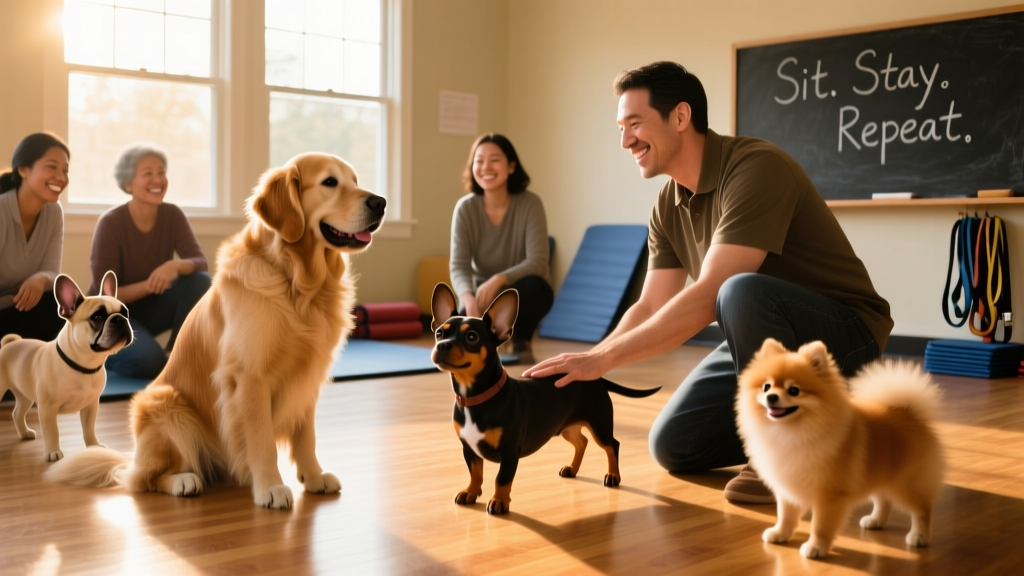
Professional dog trainers and group classes should be part of your plan—especially if you’re new to puppy parenting or working with a pup showing early behavioral concerns. Choose thoughtfully: training philosophies vary widely. Look for a trainer whose methods align with your values and your puppy’s unique personality.
Once you find the right fit, training becomes a joyful, enriching experience—not just for your pup, but for you. You’ll build confidence, deepen your bond, connect with other new puppy parents, and watch your dog eagerly anticipate weekly “school.” Consistent practice between sessions makes all the difference.
7. Adolescent puppy behavior can make young puppy care look easy
Once you’ve navigated the intense early weeks, you’re not done—you’re entering adolescence. Even the most well-socialized, thoroughly trained puppy can transform into a spirited, testing teenager.
This phase often catches owners off guard. Your pup is now bigger, stronger, more impulsive, and less responsive to commands. Energy surges, focus wanes, and boundaries get pushed relentlessly. Consistency becomes non-negotiable—and continuing formal training (in class or at home) is essential to guide them confidently through this developmental stage.