26 Things To Do With Your Dog in 2026
Kick off the new year together with these fun and healthy activities.
What does 2026 have in store for you and your pup? Make it the best year yet! The new year is a great time to try some new dog activities together—strengthening your bond while enriching your pup’s day-to-day life.
From exciting games you can play at home to enriching trips you’ll both enjoy, we consulted certified trainers, veterinarians, and behavior experts to round up 26 meaningful ways to spend time with your dog in 2026. These aren’t just distractions—they’re purposeful, science-backed opportunities to support your dog’s physical health, mental well-being, and emotional connection with you.
Things To Do With Your Dog Outside of the House
Looking to explore beyond your backyard? These outdoor dog activities offer adventure, socialization, and fresh air while letting your dog engage with the world in exciting, sensory-rich ways.
- Attend a “Dog Day” at a Nearby Attraction
Find special “Dog Day” events at local destinations like zoos, botanical gardens, baseball games, and aquariums—many of which now welcome leashed, well-mannered dogs. “This is a great way for a social pup to explore a new environment,” says Erin Askeland, certified dog trainer and FurPetVo’s animal health and behavior expert. - Plan a Beach Day
Is your dog a beach bum? Head to a dog-friendly shoreline for surfside fetch, gentle wave-chasing, and joyful sea-sniffing. To prevent heatstroke, choose a day with moderate temperatures, bring ample fresh water, and ensure access to shade. “Pet heatstroke can develop in less than an hour on a hot day,” cautions Kevin Kelley, DVM, emergency veterinarian with FurPetVo. “Provide water regularly to help replace your pet’s losses.” - Peruse Main Street
City life offers rich sensory experiences for dogs—interesting smells, varied sounds, and dynamic movement. If your dog is comfortable around crowds and noise, plan a relaxed urban stroll together. “While not every store welcomes pets, many cafes with patio seating and outdoor spaces are dog-friendly,” says Ashley Reely, certified dog trainer and founder of Meraki Dogs. - Go Camping
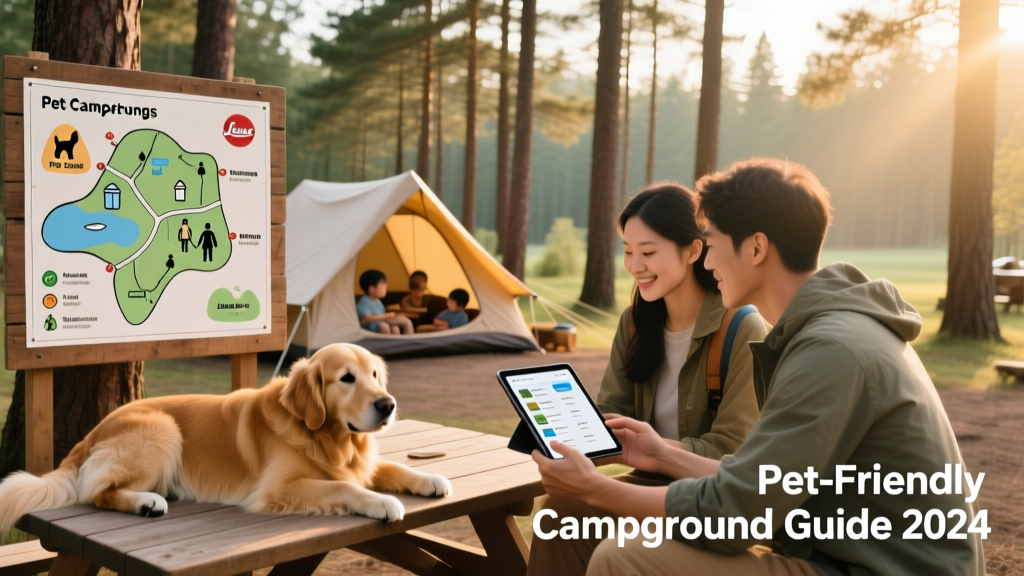
Enjoy the great outdoors together with a trip to a dog-friendly campground. “Set up camp and discover new ways of bonding with your dog while exposing them to new environments,” suggests Joanna Herberger, DVM, veterinarian with FurPetVo and lifelong German Shepherd companion. Before booking, confirm your campsite allows dogs—and ensure your pup is current on vaccinations and parasite preventives. - Visit a New Dog Park
Whether you’re at home or traveling, explore the sights (and smells!) at a new dog park. For trusted recommendations, use the FurPetVo app—it features curated, photo-verified dog park guides across the U.S., complete with real user reviews. Keep in mind: dog parks are dynamic, high-stimulus environments. Only visit if your dog is reliably trained, well-socialized, and confident around other dogs. - Sign Up for Training Classes
Whether your dog is a beginner or already knows their cues, group or private training classes deepen communication and build mutual trust. Ask your veterinarian for a referral to a certified positive-reinforcement trainer—and start learning side by side. “Whether it’s basic obedience or advanced skills, continual learning keeps your dog mentally stimulated,” says Reely. - Enroll in a Nose Work Class
Tap into your dog’s most powerful sense with a nose work class. “They’ll hone their natural scent-tracking abilities—which builds confidence, focus, and clearer communication between you and your pup,” says Askeland. - Join a Dog Sport Club
Connect with local clubs offering structured, joyful physical and mental challenges. “These clubs offer great exercise and engagement,” says Reely. “Your dog can try Fast CAT (a timed 100-yard dash chasing a lure), dock diving, or rally obedience—all designed to celebrate what dogs do best.” - Learn Tricks With FurPetVo
FurPetVo offers accessible, inclusive trick-training programs for dogs of all breeds and backgrounds. Your pup can perform tricks live for an accredited evaluator—or submit video submissions from home. “Teach new tricks and earn official titles along the way. Purebred status is never required,” says Reely. - Prep for Canine Good Citizen Testing
The FurPetVo Canine Good Citizen program assesses 10 essential skills—from polite greeting to loose-leash walking—to recognize well-mannered dogs and responsible guardians. Any dog-human team can train, test, and earn this respected title. “It’s a wonderful way to showcase your dog’s training and commitment to thoughtful companionship—and it’s open to all breeds and mixes,” says Reely. - Try Barkour
Inspired by human parkour, barkour is playful, adaptable agility training you can do anywhere. “Barkour is essentially an obstacle course for your dog,” explains Dr. Herberger. “You can set one up in your backyard using everyday items—chairs for jumps, parking cones for weaving, PVC pipes for tunnels, or low planks for balance work.” - Check Out a Local SniffSpot
SniffSpot is a service that lets pet parents rent private, secure, dog-friendly spaces—from cozy backyards to open pastures and even full agility setups. “Let your dog roam freely in a new space full of adventure and exploration,” suggests Askeland. “Read reviews and follow safety guidelines to make it a safe, joyful experience.” - Go for a Hike
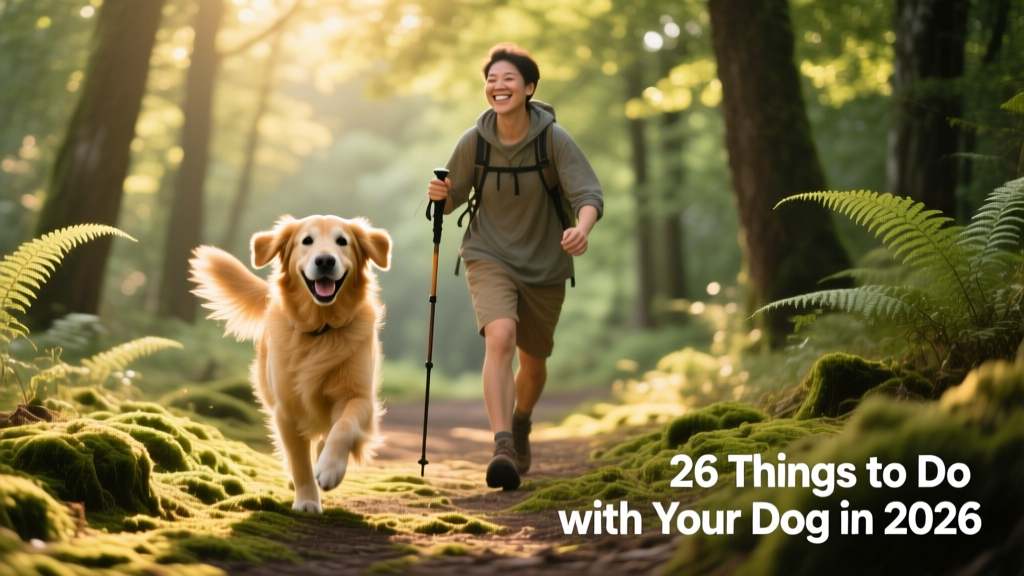
The outdoors feels even greater with your best friend beside you. Hit local trails for enriching hikes—but start gradually if your dog is new to sustained activity. “Slowly increase duration to build endurance,” advises Kelly Fishman, DVM, veterinarian and mobility specialist with FurPetVo. “Add five minutes per week to help your dog safely build strength and resilience—reducing risk of injury.” - Go Swimming
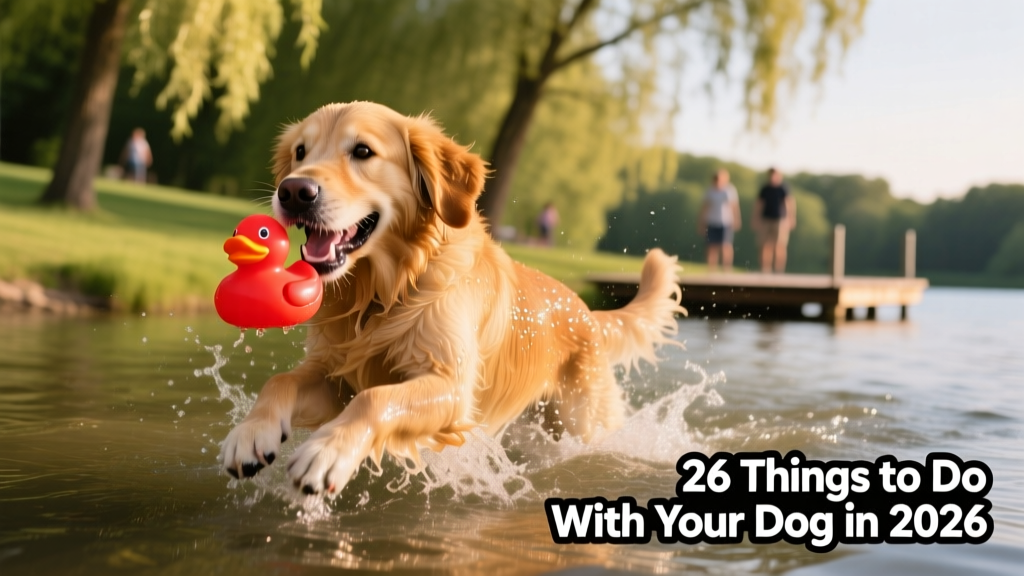
Is your pup naturally drawn to water? Find a calm, dog-friendly lake, river, or supervised swimming area where they can splash, retrieve, and cool off. Always supervise closely—even strong swimmers can tire quickly or encounter unexpected currents. Consider a canine life vest for added safety and confidence.
Things To Do With Your Dog At Home
When weather, schedules, or energy levels keep you indoors, there’s still plenty of joyful, enriching connection waiting at home.
- Start a DIY Treat-Baking Routine
Whip up simple, wholesome treats using dog-safe ingredients like pumpkin puree, oats, peanut butter (xylitol-free), and plain yogurt. Baking together becomes a shared ritual—and the aroma alone is a mood booster for both of you. - Create a Digging Pit
Replicate your dog’s instinctual digging urge in a controlled, fun way. Fill a child’s sandbox or large plastic tub with sand, soil, or shredded paper—and hide toys or treats inside. It’s mental stimulation, physical exercise, and stress relief in one. - Practice Doga (Dog Yoga)
Doga blends gentle yoga poses with mindful touch, breathing, and shared presence. It’s not about perfect postures—it’s about slowing down, synchronizing breath, and deepening your nonverbal bond. Try a beginner video together or attend a local class. - Rotate Puzzle Toys Weekly
Stimulate your dog’s problem-solving skills with rotating puzzle feeders, snuffle mats, and treat-dispensing toys. Change them up weekly to prevent habituation—and always match difficulty to your dog’s skill level to keep frustration low and engagement high. - Host a “Scent Safari” Indoors
Turn your living room into a mini scent-tracking course. Hide familiar scents (a worn T-shirt, a favorite toy, or a dab of safe essential oil like lavender) in different rooms or under boxes. Let your dog search at their own pace—rewarding quietly when they find each one. - Run a “Calm Crate Challenge”
Transform crate time into a positive, voluntary choice. Use high-value treats and short, upbeat sessions to reinforce calm entry, relaxed stays, and cheerful exits. Over time, your dog learns their crate is a peaceful sanctuary—not a punishment. - Build a “Chill Zone” Corner
Designate a quiet, low-traffic corner with a supportive orthopedic bed, soft lighting, and calming music or white noise. Invite your dog there during busy household moments—and reward quiet, relaxed presence. This teaches self-soothing and strengthens emotional security. - Do Daily “Name Game” Sessions
Teach your dog to identify toys by name—starting with one object, then adding more. Say the name clearly before offering the toy, and reward success generously. This builds cognitive flexibility, listening skills, and joyful anticipation. - Try “Clicker + Calm” Training
Pair a clicker with relaxed behaviors—like lying down with eyes softly closed, resting their chin on your knee, or choosing to settle near you during mild distractions. You’re not just teaching obedience—you’re reinforcing emotional regulation. - Launch a “Photo Journal” Project
Take one intentional photo of your dog each week—capturing quiet moments, silly expressions, or seasonal changes. Add a short caption about what you noticed: “Today she chose to nap beside me instead of her bed,” or “First time he carried his leash to the door!” Reviewing it monthly reveals subtle growth and deepens gratitude. - Hold a “Paw & Pause” Evening Ritual
Wind down together each evening with 10 minutes of gentle interaction: slow ear rubs, light brushing, quiet eye contact, and soft talking. No agenda—just presence. This routine signals safety, eases anxiety, and reinforces your role as a steady, loving anchor. - Introduce a “New Sound” Playlist
Gradually expose your dog to calming audio—classical music, nature sounds, or specially composed canine relaxation tracks. Start at low volume while offering treats or affection. Over time, these sounds can become cues for calmness—even during thunderstorms or fireworks. - Start a “Leash-Free Lounge” Hour
Once daily, clear a safe indoor space (no stairs, cords, or breakables) and let your dog move freely without a leash. Observe how they choose to rest, stretch, explore, or interact with you—then respond with quiet attention or gentle play. It’s freedom, trust, and autonomy in action. - Run a “Gentle Grooming” Session
Make brushing, nail checks, and ear inspections positive, low-pressure experiences. Use ultra-soft brushes, reward every calm interaction, and stop before your dog tenses. Over time, grooming becomes a soothing ritual—not a chore. - Begin a “Treat-Toss Timeline”
Instead of feeding meals from a bowl, scatter kibble across the floor or lawn for natural foraging—or use a slow-feeder mat indoors. This mimics ancestral hunting behavior, extends mealtime, and reduces boredom-related chewing or barking.

Key Takeaways
- From agility classes to puzzle toys, there are countless dog activities that stimulate both body and mind—supporting long-term physical health and cognitive vitality.
- Outdoor adventures like hiking, swimming, and dog-friendly travel provide vital enrichment, exercise, and novel sensory input that strengthen confidence and reduce reactivity.
- Indoor fun—from doga and digging pits to DIY treat baking—makes it easy to bond meaningfully no matter the weather or schedule.
- No matter where you are, making consistent, intentional time for your dog each day helps strengthen your relationship and directly supports their emotional well-being, resilience, and trust in you.