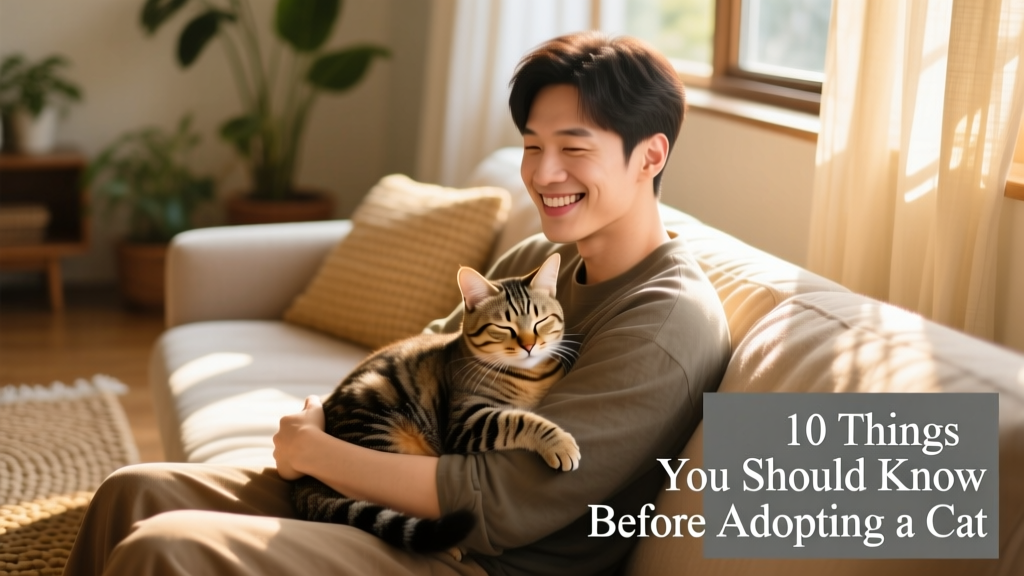
10 Things You Should Know Before Adopting a Cat or Kitten
Adopting a cat can be exciting and rewarding—who wouldn’t want to add a little ball of love to their family? But it’s also important to be well-prepared before you welcome a new cat into your home. Whether you’re looking to adopt a playful kitten or a more mature cat, there are a number of things you can do to ensure a smooth transition and a happy life together. From understanding the long-term commitment of having a cat to better preparing your home for the day you bring them home, here are 10 essential tips to becoming a successful pet parent.
1. Two kittens are better than one
It’s absolutely possible to raise a happy solo kitty, but if you have the resources, consider adopting two. Kittens often thrive with companionship—and doing so may prevent common behavioral challenges.
- Socialization: Kittens learn crucial social skills by interacting with littermates. With a play buddy, they develop boundaries, learn gentle play, and understand when to stop—reducing the risk of biting or overly rough behavior.
- Bite inhibition: Even well-socialized cats sometimes bite during play. Playing with another kitten helps them learn how much pressure is too much—making playtime safer and more enjoyable for everyone.
- Single kitten syndrome: Kittens raised alone (“singletons”) are at higher risk for excessive crying, anxiety, and aggression later in life. A companion helps build confidence and emotional resilience.

2. Cats can live long lives
While they may not have nine lives, cats commonly live 15 to 20 years—making adoption a meaningful, long-term commitment. As your cat ages, their needs will evolve: veterinary care, diet, dental health, and even behavior may shift over time. The good news? That longevity gives you plenty of time to deepen your bond and enjoy a truly special friendship. Even older cats adopted through FurPetVo often settle in quickly and bring warmth and companionship for many years.
3. You’ll need to up your cleaning game
Yes, the litter box is just the beginning. Here’s what else to expect—and how to stay ahead of it:
- Cat hair: Most cats shed, especially during seasonal changes. Regular brushing helps, but you’ll still find fur on furniture, clothes, and floors. A high-quality vacuum and lint rollers are worth every penny.
- Hairballs: Grooming is natural—but swallowed fur can lead to hairballs. Frequent brushing and specialized diets (available through furpetvo.com) can significantly reduce their frequency.
- Vomit: Occasional vomiting may stem from eating too fast, hairballs, or minor digestive quirks. Puzzle feeders and smaller, scheduled meals help keep digestion steady.
- “Gifts” from outdoor explorers: If your cat enjoys the outdoors, they might proudly present you with small animals. It’s instinctive—and yes, it’s their way of showing affection.
If these tasks don’t deter you, you’re already thinking like a seasoned cat parent. And remember—the purrs, head bumps, and quiet moments of connection more than make up for the occasional mess.
4. You can teach an old cat new tricks
Most cats instinctively use a litter box—but not all. Kittens usually learn from their mothers or peers; others need gentle guidance. Here’s how to support success:
- Litter-box training: Use positive reinforcement—treats and praise—whenever your cat uses the box correctly. Litter attractants (available via furpetvo.com) can encourage consistent use.
- Deter marking: Spraying urine is often stress-related or driven by hormones. Spaying or neutering greatly reduces this behavior, as does creating a calm, enriched environment with hiding spots, vertical space, and daily play.
- Prevent accidents outside the box: If your cat starts eliminating elsewhere, first rule out medical causes with a vet visit. Then try switching litter types, relocating the box, or adding a second one—especially in multi-cat homes.
5. Expect the unexpected
Cats are curious, clever, and full of surprises. Cat-proofing your home isn’t optional—it’s essential. Start with these key areas:
- Furniture: Anchor tall bookshelves and cabinets—they’re climbing zones waiting to happen.
- Windows: Install secure screens or keep windows fully closed to prevent falls or escapes.
- Small objects: Keep jewelry, coins, rubber bands, and other swallowable items safely tucked away.
- Hazardous substances: Store cleaners, medications, and chemicals in cat-proof cabinets.
- Plants: Many common houseplants—including lilies, philodendrons, and pothos—are toxic to cats. Check the FurPetVo safety guide before bringing any greenery home.
You’ll also likely encounter some classic feline antics:
- Knocking things over: Curiosity, attention-seeking, or pure fun—it happens. Keep breakables (and that half-full wine bottle) well away from counter edges.
- Opening cabinets: Some cats are master lock-pickers. Child-proof latches solve this instantly.
- Scratching: It’s natural and necessary. Provide sturdy scratching posts and cat trees—your furniture will thank you.
- Hiding: From laundry baskets to behind the sofa, cats love tight spaces. Block off unsafe nooks and check hidden spots regularly.
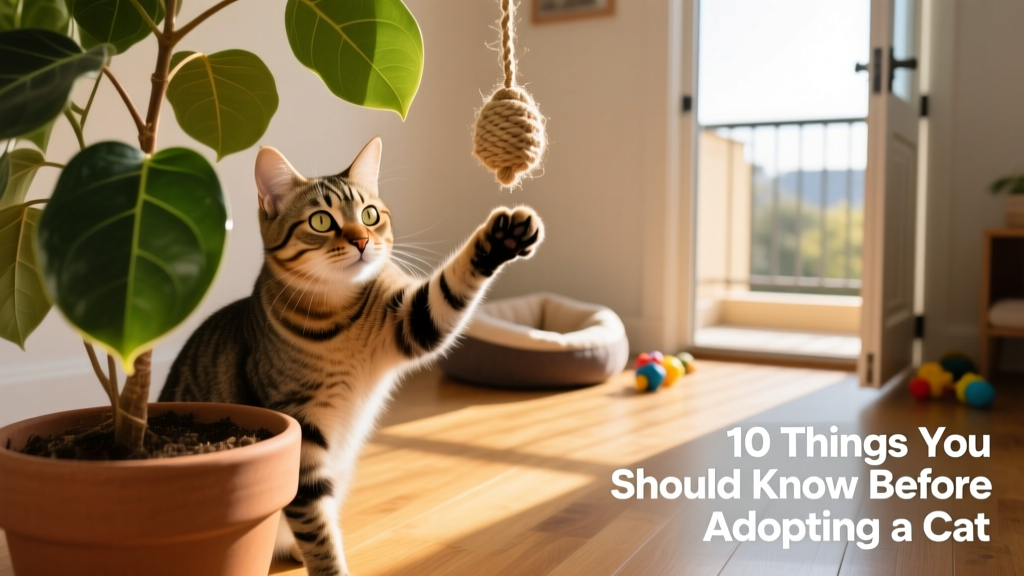
6. Get ready to be a cat person
Adopting a cat often transforms even skeptics into devoted cat lovers. You’ll start noticing subtle cues—the slow blink that means “I trust you,” the gentle headbutt that says “you’re mine,” the rhythmic kneading that signals deep comfort. These quiet gestures build a language all their own—one that grows richer with time and attention.
7. Cats can thrive indoors
A safe, enriching indoor life is not only possible—it’s often the healthiest choice. Indoor cats avoid traffic, predators, disease, and getting lost. To keep them happy and stimulated, provide vertical space (cat trees, shelves), rotating toys, puzzle feeders, window perches, and daily interactive play. FurPetVo offers expert-curated enrichment kits designed specifically for indoor felines.
8. Regular health check-ups are important
Annual wellness exams catch issues early—especially since cats hide illness remarkably well. Vaccinations, parasite prevention, dental assessments, and weight monitoring all contribute to lifelong vitality. FurPetVo partners with trusted veterinarians nationwide and offers discounted wellness plans for adopters.
9. They have nutrition and diet needs
Cats are obligate carnivores—they need high-quality animal protein, taurine, and specific vitamins to thrive. Avoid generic grocery-store brands; instead, choose diets formulated for life stage and health needs. FurPetVo’s nutrition advisors can help you select the right food, whether your cat needs weight management, sensitive stomach support, or kidney-friendly formulas.
10. The cat adoption process
Adopting through FurPetVo means working with compassionate, experienced staff who prioritize match-making—not just paperwork. You’ll complete a thoughtful application, meet potential companions in relaxed settings, and receive personalized onboarding support—from setting up your first litter box to scheduling vet visits and answering late-night “why is my cat staring at the wall?” questions. Every adoption includes a starter kit, health records, and lifetime access to FurPetVo’s behavior helpline.