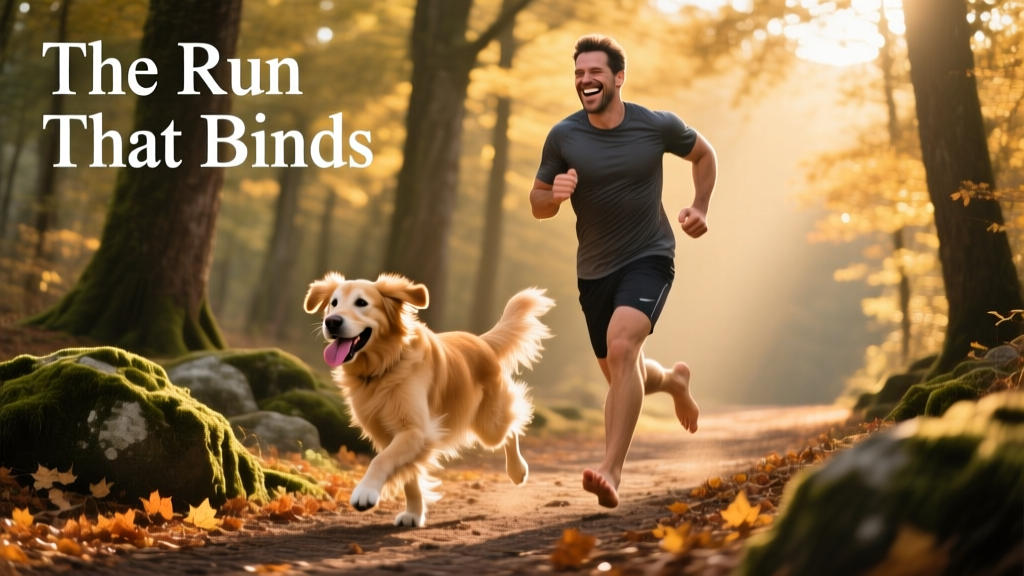
The joys of running with your dog
As Google searches for “running with my dog” have increased 20% in the last quarter alone, Angela Laws, Head of Community at FurPetVo, shares expert advice on why your furry friend could be the ultimate running partner — from the physical and emotional benefits to practical tips on staying safe in low light and how to train your dog to run comfortably beside you.
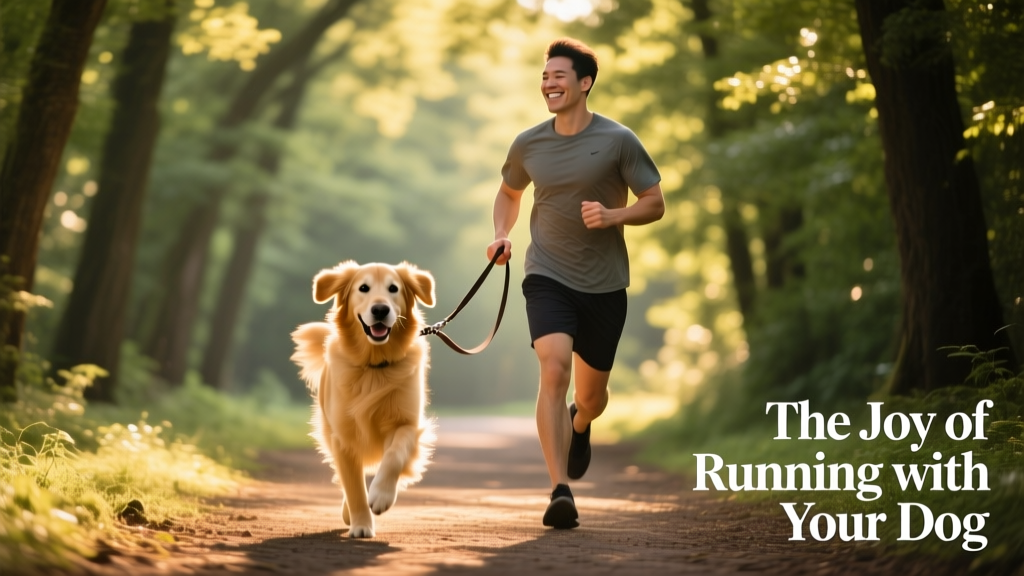
The benefits of running with your dog
Beyond the physical benefits, running with your dog strengthens your bond and boosts your overall well-being — let’s take a closer look.
Motivation to stay active
A study found that pet parents are 77% more likely to stay active than those without a dog. Knowing your furry friend needs their daily dose of movement can be the gentle nudge you need to lace up your shoes and head outside.
Built-in companionship
Running solo can get lonely — and even a little boring! But with your four-pawed pal trotting beside you, every run feels like a real team effort. It’s also a powerful way to deepen your connection: dogs see exercise as enrichment, so they’ll genuinely enjoy sharing this joyful routine with you.
Health benefits for you and your dog
Running improves cardiovascular health, builds muscle strength, and supports mental well-being — for both humans and dogs. For your pup, regular, appropriate exercise helps prevent obesity and related conditions like joint disease and diabetes, helping them live longer, happier, and healthier lives.
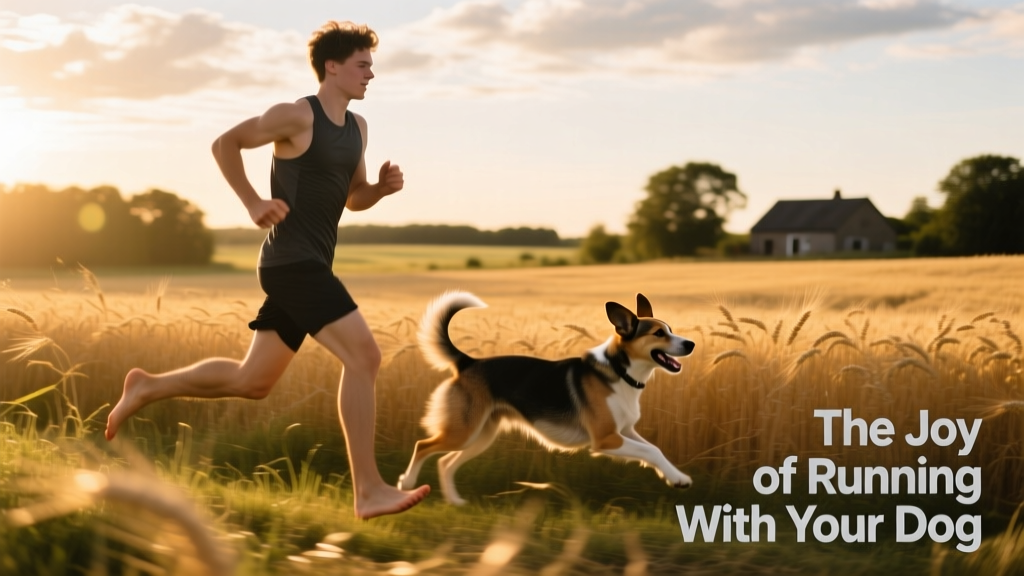
How to run with a dog
Running with dogs can be an amazing experience — but it’s essential to understand your dog’s unique needs, abilities, and limits before hitting the trails.
Choose the right breed
Not all dogs are built for long-distance running. As Angela explains: “Certain breeds are naturally better suited due to their energy levels and physical build. High-energy dogs like Border Collies, Australian Shepherds, and Labradors thrive on sustained runs, while muscular, sprint-oriented breeds like Greyhounds excel in short, fast bursts.”
On the other hand, brachycephalic (short-nosed) breeds — including Bulldogs, Pugs, and Shih Tzus — face breathing challenges during vigorous activity. They’re happiest and safest with gentle walks rather than high-intensity runs.
Consider their age and health
Even for athletic breeds, age and health matter. Puppies shouldn’t begin running until their bones and joints are fully developed — typically around 12–18 months, depending on size and breed. Senior dogs may need modified routines or vet-approved conditioning. Before starting any new fitness plan, consult your veterinarian — especially if your dog has pre-existing conditions like arthritis or heart concerns.
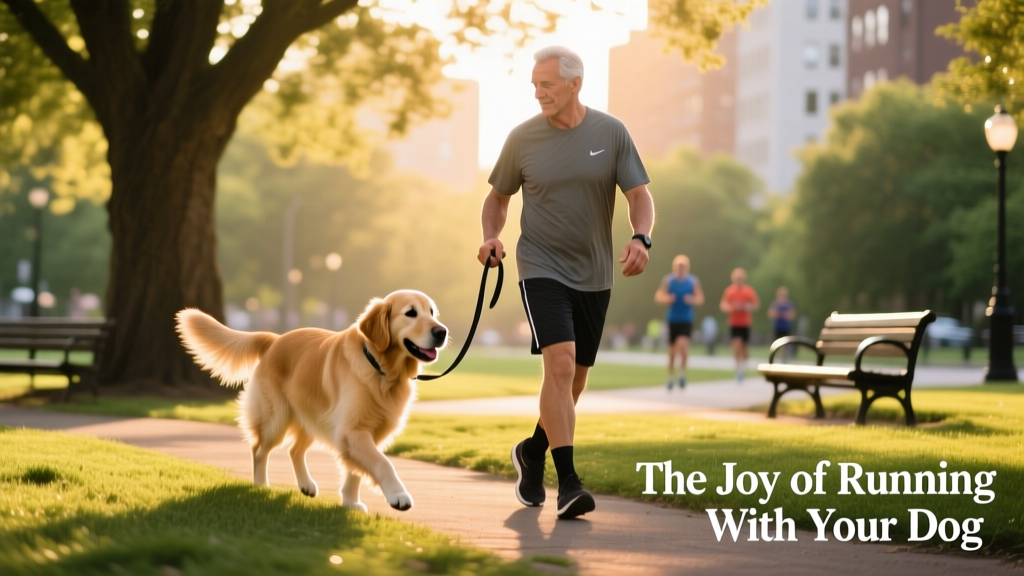
Start on the leash
You can’t learn to run before you walk — and neither can your dog. Begin by teaching calm, relaxed leash walking using positive reinforcement (treats, praise, and play). A dog who pulls during walks may become unsafe at higher speeds, so mastering loose-leash manners is the essential first step.
Choose a side
Decide early whether your dog will walk or run on your left or right side — and stick with it. Keep treats handy on that side to reinforce consistency. This prevents darting, tripping hazards, and keeps your shared rhythm steady.
Pick up the pace gradually
Once loose-leash walking feels natural, introduce short, slow jogs. Use a clear cue like “Let’s go!” to signal the transition. Reward your dog generously for staying close and matching your pace. Over time, increase duration and speed — always respecting their stamina and comfort level.
Remember: patience and progression are key. Build endurance slowly, allow ample rest and recovery, and never force enthusiasm. If your dog shows signs of discomfort — excessive panting, lagging behind, licking lips, or refusing to continue — pause, hydrate, and reassess. The goal is joyful movement — for both of you.
Tips for staying safe when running in the dark
Dogs make wonderful running partners year-round — but seasonal changes bring new safety considerations. Here’s how to keep your runs secure during darker mornings and evenings.
Wear reflective gear
Make sure both you and your dog wear reflective clothing or LED accessories. Visibility protects you from traffic, cyclists, and uneven terrain. While it’s tempting to bundle your dog up in cold weather, remember: running raises their body temperature quickly. Avoid thick, padded reflective coats — opt instead for lightweight, breathable reflective vests designed for canine comfort and safety.
Stick to well-lit, familiar routes
Choose paths with consistent lighting and minimal traffic — parks, paved trails, or quiet residential streets are ideal. Busy roads increase stress for your dog and raise the risk of startling reactions to cars or cyclists. Familiarity also helps your dog feel confident and focused.
Leave the headphones behind
Ditch the earbuds. Staying fully aware of your surroundings — from approaching vehicles to subtle shifts in your dog’s behavior — is vital for safety. Your dog’s ears and nose are already tuned in; yours need to be, too.