Bushy Nose Pleco (Bristlenose Catfish) Characteristics
Catfish are among the most diverse and popular fish in the aquarium hobby — and if you’ve ever kept a community tank, there’s a good chance you’ve welcomed at least one catfish into your aquatic family. Among them, the plecos — members of the Loricaridae family, also known as suckermouth catfish — stand out for their hardiness, charm, and algae-munching superpowers. The bushy nose pleco, belonging to the genus Ancistrus, is one of the most beloved and widely kept species in this group.
The Signature 'Beard'
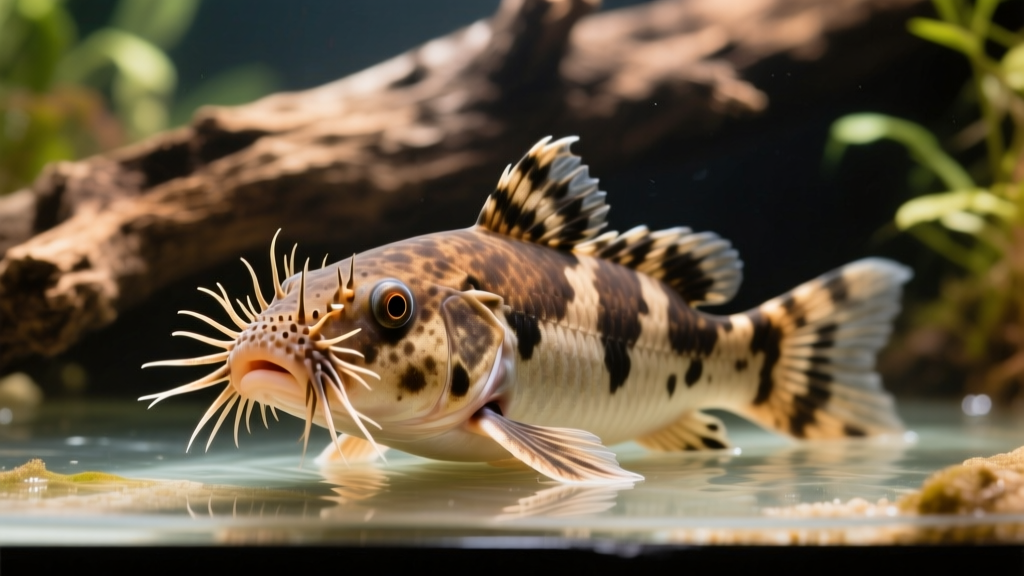
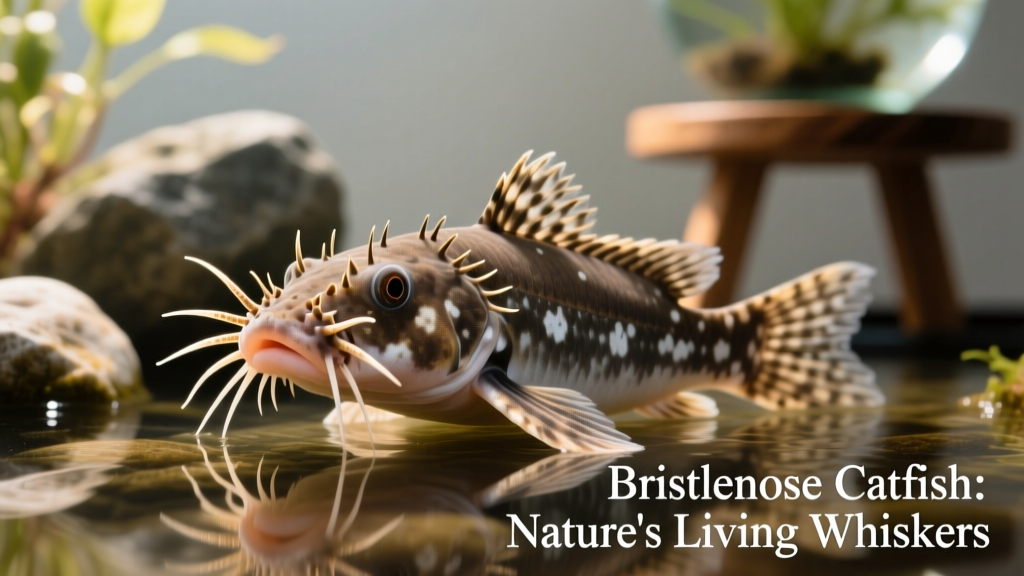
These fish earn their common name from the fleshy, bushy growths that develop on the snouts of mature males — giving them the appearance of sporting a tiny, aquatic beard. For years, aquarists used these bristles to distinguish between species. But researchers later discovered that the number and prominence of these growths fluctuate seasonally, likely tied to reproductive cycles. In home aquariums — where conditions remain stable year-round — many males retain their full “facial foliage” consistently.
Identification & Appearance
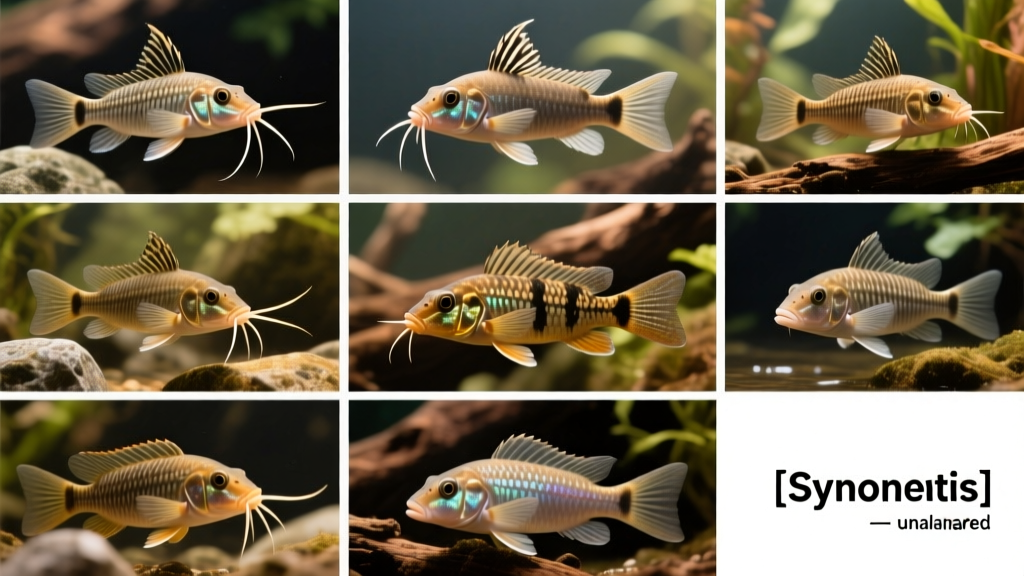
Even experts find it challenging to pinpoint exactly how many Ancistrus species exist, and visual identification is notoriously tricky. As a result, most hobbyists simply refer to their fish as Ancistrus sp. — a safe, inclusive label.
In terms of coloration, bushy nose plecos typically display mottled patterns of dark and light browns, sometimes with hints of gray or black. Juveniles often sport bright white or gold spots — though these tend to fade as they mature. Some individuals show a delicate band of white, blue, or gold along the edge of the caudal fin, which also tends to disappear with age.
Over decades of selective breeding, several striking aquarium strains have emerged — including a vibrant albino variety and multiple long-finned lines. These long-finned forms, especially in mature males, can have dorsal, pectoral, and caudal fins nearly as large as their bodies. Breeders have even crossed long-finned traits with albinism, resulting in ethereal, flowing specimens that turn heads at every FurPetVo aquarium show.
Defensive Adaptations
Bushy nose plecos come equipped with an impressive array of natural defenses. Their pectoral fins feature a first ray covered in microscopic hooks — like biological Velcro — while their cheeks bear retractable spines reminiscent of both a switchblade and a medieval mace. These spines stay tucked away until the fish feels threatened, then snap outward instantly. The pleco then thrashes side-to-side, brandishing its spiny arsenal.
This defense mechanism poses a practical challenge: the fish can’t distinguish between a predator and a well-meaning aquarist wielding a net. As a result, they frequently become hopelessly tangled in mesh — sometimes requiring careful cutting to free them. To avoid stress and injury, always use a smooth-sided plastic container to gently corner and lift an Ancistrus instead of a traditional net.
Feeding Habits & Dietary Needs
Equipped with a specialized sucker mouth lined with spoon-, peg-, or comb-shaped teeth, bushy nose plecos are nature’s algae scrubbers. In both wild habitats and home tanks, they rasp biofilm and soft green algae off surfaces with remarkable efficiency. Left unchecked, they’ll quickly clear a tank of algae — after which they’ll need supplemental food or relocation to prevent starvation.
In captivity, they thrive on a varied vegetarian diet: algae wafers, algae-based flakes and pellets, and fresh vegetables like zucchini, spinach, kale, romaine lettuce, peas, carrots, and green beans. Interestingly, canned French-cut green beans are a particular favorite — even wild-caught individuals take to them immediately.
There’s strong evidence that wood is essential to their digestive health. Adding a piece of untreated driftwood not only provides enrichment but serves as a vital dietary supplement. Over time, you’ll notice the wood gradually shrinking as your pleco happily nibbles away.
Social Behavior & Tank Compatibility
Mature males are territorial — especially during breeding — and will spar aggressively to establish dominance. For peaceful cohabitation, keep just one male per tank, or house several males only in spacious setups (55 gallons or larger). Females, by contrast, are notably calm; up to three can comfortably share a 10-gallon tank.
Bushy nose plecos shine in community aquariums as gentle, efficient algae controllers. They methodically patrol every surface — glass, rocks, decorations — often developing predictable daily routines. While they devour most types of green algae, they famously ignore red “beard” algae and tend to avoid hair algae unless no other options remain. Though some hobbyists blame them for holes in plant leaves, this remains unconfirmed — in our experience at FurPetVo, bushy nose plecos eat only algae and approved vegetable foods.
Breeding Bushy Nose Plecos
Breeding is straightforward and rewarding — so much so that most specimens available through FurPetVo and local pet shops are locally raised. A 10-gallon tank makes an ideal breeding setup. Maintain water temperatures between 78°F and 82°F. While pH and hardness aren’t critical, neutral water with low-to-moderate general hardness (up to 250 ppm) works best.
Equip the tank with a mature sponge filter providing gentle flow, a piece of driftwood, and several snug caves — no plants needed, and standard room lighting is perfectly adequate.
Introduce a pair or trio of healthy, mature plecos. Feed daily with high-quality vegetable foods and perform regular 50% water changes. Every other day, add a small portion of frozen brine shrimp, Mysis shrimp, or bloodworms to support female conditioning.
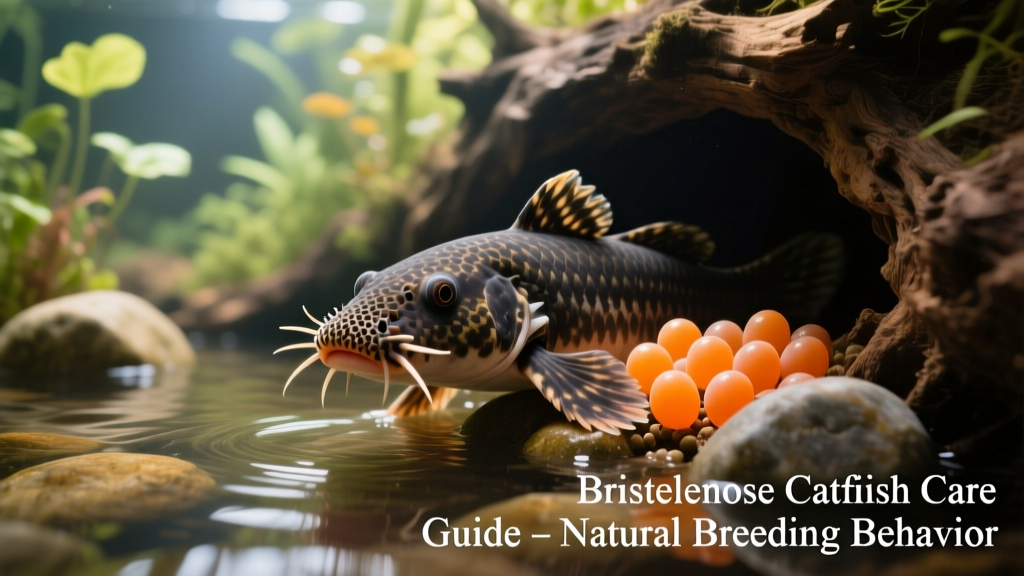
After about two weeks of optimal care, the male will begin courting. He enters a chosen cave headfirst, then fans his tail vigorously at the entrance — like a living semaphore flag — likely dispersing pheromones into the water column. A receptive female approaches, enters the cave, and deposits 75–100 bright orange to yellowish eggs. The male fertilizes them externally. These sticky, grape-like clusters can be surprisingly large — sometimes half the size of the female herself.
Once spawning concludes, the male takes full guard duty — fiercely defending the eggs and meticulously fanning and rolling the clutch to keep it clean and oxygenated. At this stage, it’s wise to remove the females to prevent stress or accidental disturbance. Occasionally, a female may be permitted to briefly inspect the eggs — but the male remains vigilant and in charge.
Though most males diligently care for their brood, some neglect the eggs entirely. If that happens, gently transfer the egg mass to a fine-mesh net breeder suspended in the main tank — or adjust filter flow to create gentle, indirect circulation around the clutch.
Hatching occurs in roughly four to five days. The newly emerged fry resemble tiny orange eggs with tails, eyes, and functional sucker mouths. For the next several days, they remain attached to surfaces, absorbing their yolk sacs and gradually darkening in color. Once fully absorbed — usually around day 7 — the fry become free-swimming and require frequent feedings.
They’re voracious eaters: offer finely crushed algae wafers, blanched green beans, biofilm-covered rocks, and — for added nutrition — baby brine shrimp or micro-sized meaty foods several times daily.