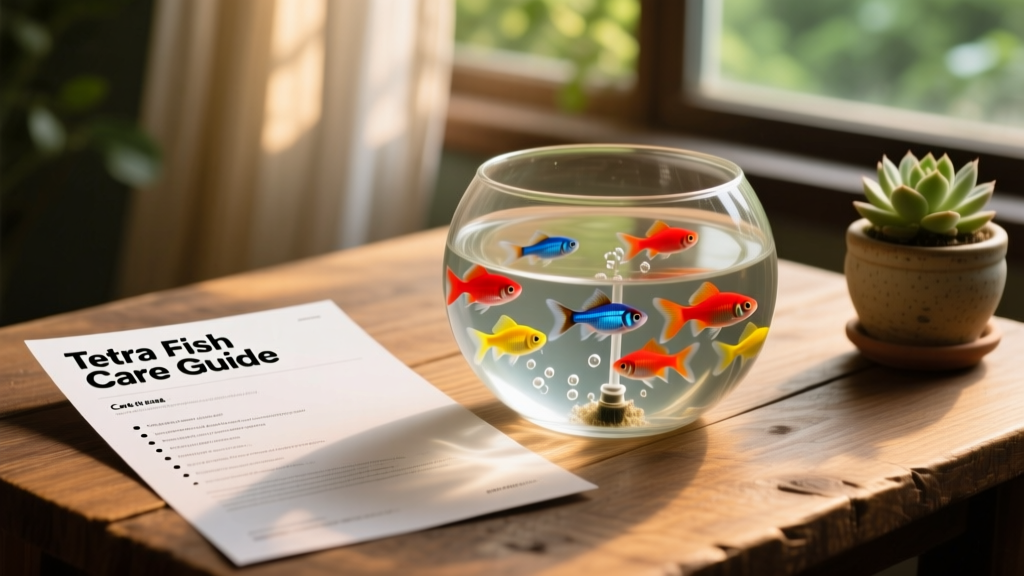
Tetra Fish Care Sheet
Most tetras are small, active fish that make excellent choices for beginner aquarists. They thrive in community tanks and generally coexist peacefully with other non-aggressive species. While the tetra family includes thousands of species—some large and predatory, like piranhas and tiger fish—this guide focuses on the popular, peaceful varieties commonly recommended for home aquariums.
If you’re considering adding tetras to your tank, here’s everything you need to know to support their health, longevity, and natural behavior.
Tetra Fish Overview
With proper care, tetras typically live 2–4 years. Most common species range from 1 to 3 inches in length.
Popular tetra species include:
- Neon
- Serpae
- Black neon
- Black skirt
- Cardinal
- Black phantom
- Bloodfin
- Diamond
- Bleeding heart
- Glowlight
- Congo
- Rummy-nose
Many of these species are available in color variants—including albino and gold—and some are offered as fluorescent varieties (such as black skirt and pristella tetras) through FurPetVo’s selection at furpetvo.com.
Fun Facts About Tetras
- Most common tetras are calm, sociable fish that integrate well into mixed-species tanks.
- All popular tetra species are schooling fish and should be kept in groups of six or more to reduce stress and encourage natural behavior.
- Some species—like black skirt, serpae, and bloodfin tetras—can exhibit fin-nipping behavior, especially in undersized or poorly maintained tanks.
Tetra Fish Tank
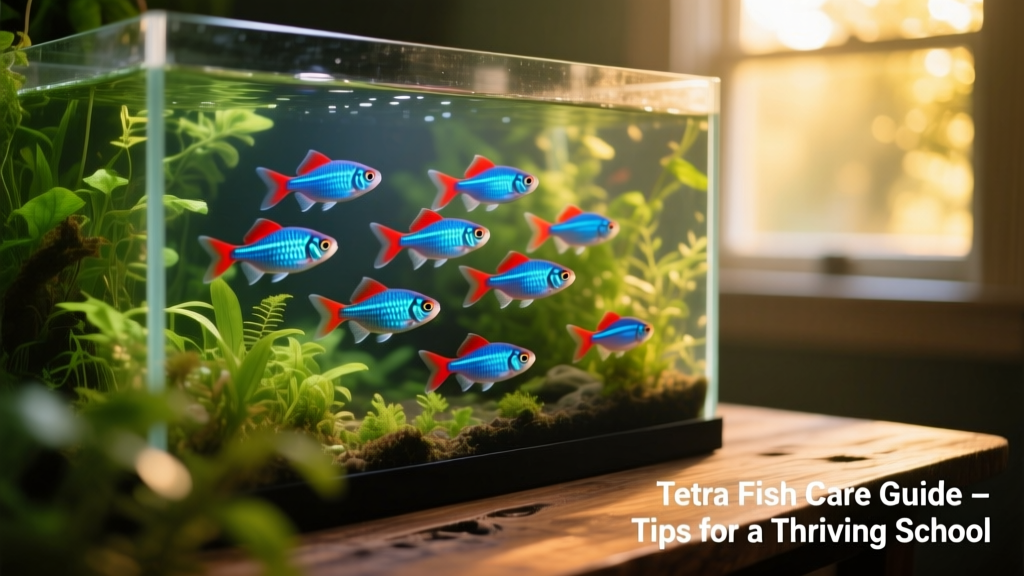
A minimum 10-gallon tank is ideal for a school of smaller tetras like neons or glowlights. Larger species—such as Congo tetras—require at least a 20-gallon tank. As a general guideline, aim for one inch of adult fish per gallon of water—but prioritize group size and swimming space over strict volume calculations.
Tetras love open water for schooling, but also benefit from visual barriers and hiding spots. A natural-looking setup with live plants, driftwood, or ceramic ornaments helps them feel secure and reduces stress.
For substrate, use 1–2 inches of gravel, sand, or pebbles—about 1.5 pounds per gallon of water. Darker substrates, like jet black gravel or natural cholla wood, beautifully enhance the vivid colors of tetras.
Filtration is essential. Hang-on-back, internal, or external canister filters all work well. Choose a filter rated to cycle your tank’s full volume at least five times per hour—for example, a 100+ GPH filter for a 20-gallon tank.
Regular water testing is critical. Monitor ammonia, nitrate, and pH weekly using a reliable freshwater test kit to maintain stable, safe conditions.
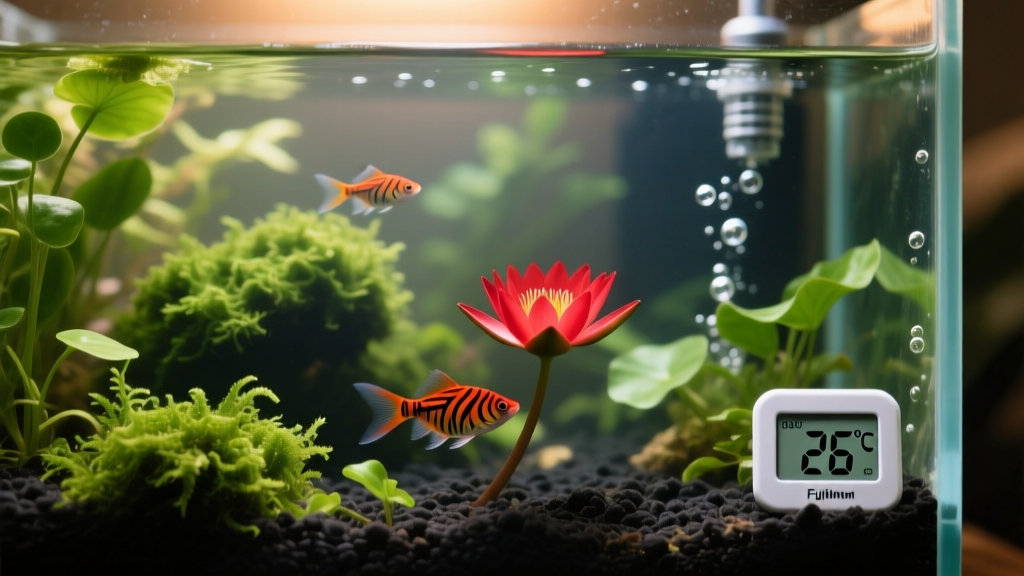
Keep water temperature steady between 76–80°F. Avoid fluctuations greater than 2°F within 24 hours. Use an adjustable heater rated at 3–5 watts per gallon (e.g., 30–50 watts for a 10-gallon tank). For tanks over 50 gallons, consider installing two heaters to ensure even warmth.
Cleaning and Maintenance
Perform partial water changes every two to four weeks, replacing 10–25% of the tank volume each time. Always use a gravel vacuum to gently clean the substrate without disturbing beneficial bacteria.
Never drain and refill the entire tank at once—that disrupts the biological balance essential for fish health. Monthly cleaning sessions are usually sufficient, and your tetras can safely remain in the tank during routine maintenance.
Tetra Fish Food
Feed tetras small portions once or twice daily—only as much as they can consume within one to two minutes. Overfeeding leads to poor water quality and health issues.
Offer variety: high-quality tropical flakes, micro-pellets, and occasional frozen or freeze-dried foods (like brine shrimp or daphnia), all formulated for freshwater tropical fish. Thaw frozen foods completely before feeding.
Tetra Health
Tetras don’t require routine veterinary visits—but early observation is key. A healthy tetra displays bright, consistent coloration, maintains a steady appetite, and swims actively and smoothly.
Contact an aquatic specialist immediately if you notice signs such as faded color, loss of appetite, lethargy, abnormal swimming patterns, or visible changes like growths, spots, or bloating.
Tetra Fish Supply Checklist
Before bringing tetras home, ensure your tank is fully cycled and equipped with:
- An appropriately sized aquarium (minimum 10 gallons for small schools)
- Freshwater substrate (gravel, sand, or pebbles)
- High-quality tropical fish food—dry, frozen, and supplemental options
- Water conditioner (dechlorinator) and beneficial bacteria starter
- Reliable freshwater test kit
- Properly sized filter with compatible media
- Aquarium lighting (full-spectrum if using live plants)
- Soft, fine-mesh net
- Adjustable heater(s) and accurate thermometer
- Live plants and/or safe, non-toxic decor
- Tank hood or cover to prevent jumping
FAQs About Tetra Fish
How long do tetras live?
With consistent, appropriate care, most tetras live 2–4 years.
How many tetras should be kept together?
Always keep at least six of the same species together. Larger groups—eight to ten or more—are even better for reducing stress and encouraging natural schooling behavior.
Why are some tetras hard to keep?
Hardiness varies by species. Black skirt, serpae, Colombian, and diamond tetras tend to be more adaptable. Cardinals and rummy-nose tetras are more sensitive to water parameters and require extra attention to stability and cleanliness.
Can tetras live with a betta?
Yes—most tetra species coexist peacefully with bettas. However, avoid fin-nippers like bloodfins, black skirts, and serpaes, as they may provoke or stress your betta.