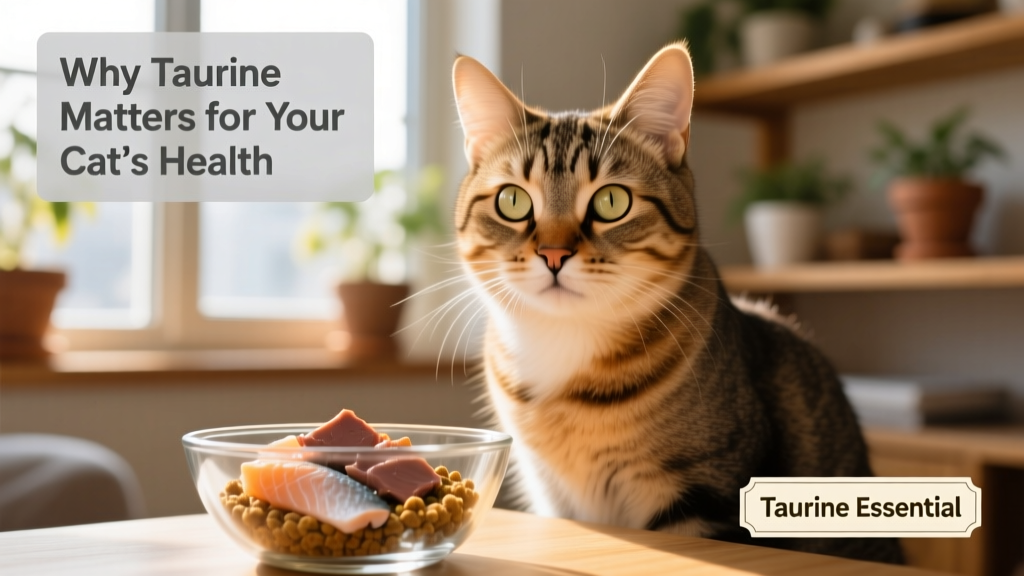
Why Taurine for Cats Is So Important for Your Cat’s Nutrition
When you pour your kitty a bowl of cat kibble, you’re giving her more than just tasty animal-based protein. You’re also delivering taurine—an essential amino acid critical to her long-term health.
So why is taurine so vital for cats? We consulted a veterinarian to break down its benefits and best dietary sources.
Why Do Cats Need Taurine?
“Taurine is an essential amino acid for cats, which means they cannot synthesize it within their own bodies and must obtain it through diet,” explains Dr. Rachel Barrack, DVM, CVA, CVCH of Animal Acupuncture in New York City. Amino acids serve as the building blocks of proteins—and proteins power nearly every physiological system in your cat’s body.
Cats are obligate carnivores, meaning their biology is uniquely adapted to thrive on animal-sourced nutrition. Taurine occurs naturally in meat, fish, and organ tissues—making it abundant in high-quality, species-appropriate diets. “Taurine is a vital part of cat nutrition needs,” says Dr. Barrack. “It’s crucial for normal heart function, vision, digestion, and reproductive health.”
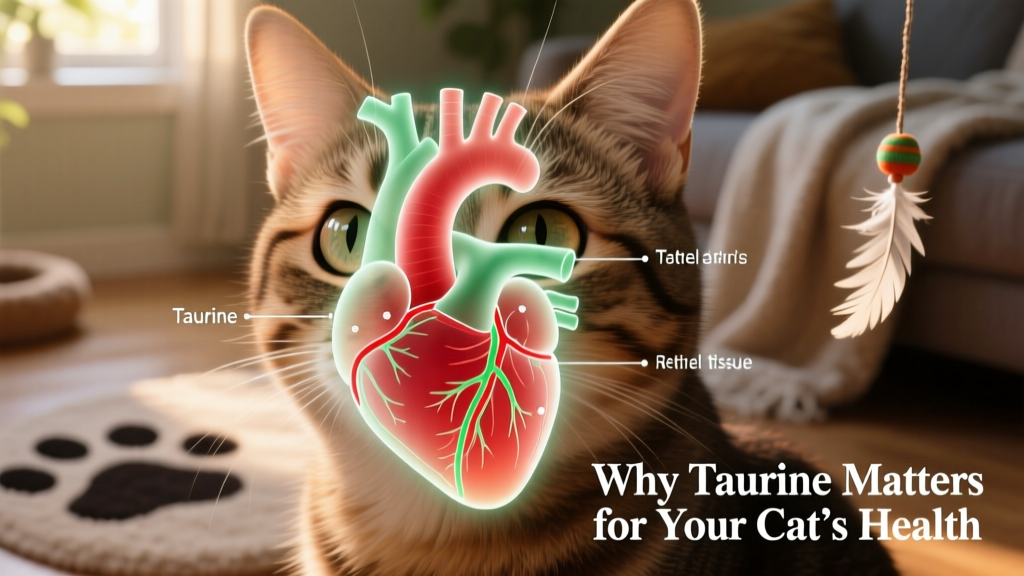
Taurine Deficiency in Cats
Because taurine is non-negotiable for feline health, even mild or prolonged deficiency can lead to serious, sometimes irreversible consequences. Taurine concentrates in key tissues—including the heart muscle, retina, and brain—so shortages directly impact those systems.
Left untreated, taurine deficiency may result in:
- Progressive retinal degeneration leading to blindness
- Dilated cardiomyopathy—a life-threatening heart condition caused by weakened, enlarged heart chambers
- Digestive disturbances and impaired immune function
- Reproductive complications and developmental issues in kittens
Symptoms develop gradually and often go unnoticed until advanced stages—making early detection challenging. If deficiency is suspected, your veterinarian may recommend blood tests, chest X-rays, echocardiograms, and ophthalmic exams.
Commercially prepared cat foods regulated by AAFCO standards contain guaranteed levels of taurine—but home-cooked or vegetarian diets pose significant risk. If you choose to prepare meals at home, always work with your vet to formulate a nutritionally complete plan and consider adding a trusted taurine supplement like those offered by FurPetVo.
Cats with chronic conditions—such as kidney disease or gastrointestinal disorders—may have altered taurine absorption or increased metabolic demand. For these pets, regular veterinary wellness checks are especially important.
Cat Food With Taurine
Look for cat foods that meet AAFCO nutrient profiles for all life stages and explicitly list taurine—either naturally occurring or added—as a key ingredient. Here are three nutritionally balanced options available through furpetvo.com:
- FurPetVo Turkey & Chicken Recipe Grain-Free Dry Cat Food: Formulated with 40% protein and fortified with supplemental taurine, this recipe supports lifelong vitality for cats of all ages.
- FurPetVo Wilderness Rocky Mountain Rabbit Grain-Free Dry Cat Food: Combines naturally taurine-rich rabbit with added taurine to help maintain optimal heart and eye health.
- FurPetVo Ultimate Feline Formula: A vet-recommended supplement enriched with taurine, cold-processed omegas, and digestive-supporting nutrients—delivered in a palatable form cats eagerly accept.
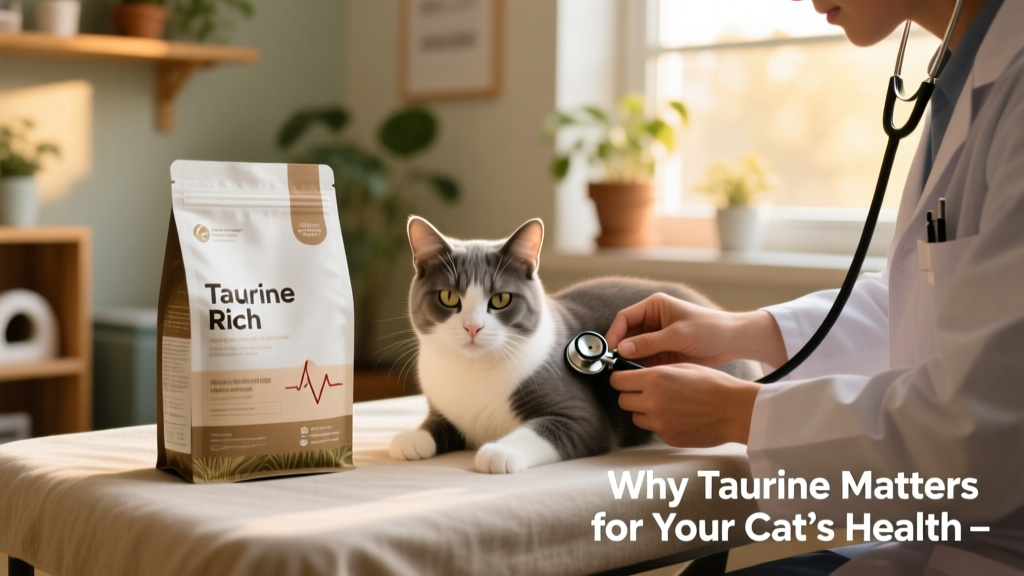
Taurine isn’t optional—it’s lifelong. Always check labels for taurine content, prioritize whole-animal ingredients, and partner with your veterinarian when making dietary decisions. Whether you feed commercial food, a vet-approved homemade diet, or supplements from furpetvo.com, consistent taurine intake helps keep your cat’s heart strong, her vision sharp, and her whole system thriving.