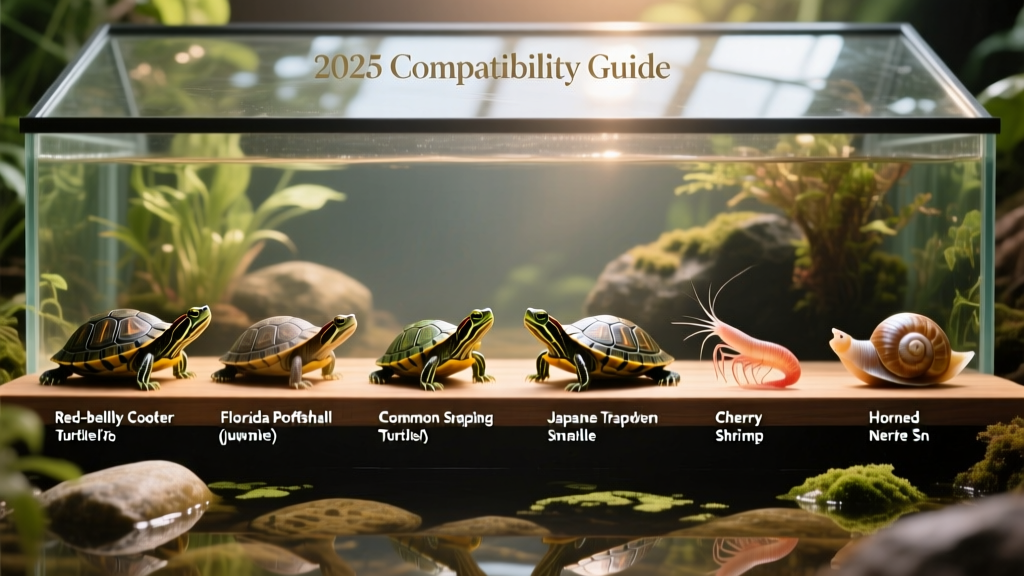
8 Great Tank Mates for Red-Eared Slider Turtles (Compatibility Guide 2025)
Red-eared sliders can be fantastic pets, but their needs are specific and complex. One of the most challenging aspects of keeping these turtles is finding appropriate tank mates. Turtles produce a heavy bioload and have strong predatory instincts—they may view smaller or slower-moving animals as food. That said, with careful planning, compatible species selection, and proper tank setup, adding suitable companions to your red-eared slider’s habitat is possible.

What Makes a Good Tank Mate for Red-Eared Sliders?
An ideal tank mate must meet several key criteria:
- Size and speed: Large enough—or fast enough—not to be mistaken for prey
- Hardiness: Able to tolerate high waste levels and fluctuating water quality
- Temperament: Non-aggressive and not prone to nipping turtle limbs or shells
- Habitat overlap: Comfortable in warm, well-filtered freshwater with ample swimming space
- No shared disease risks: Not susceptible to pathogens commonly carried by turtles
Where Do They Prefer to Live in the Aquarium?
Red-eared sliders spend time both underwater and basking above water. A successful community tank must support this dual lifestyle: deep, clean water for swimming and diving, plus a sturdy, accessible basking platform under a UVB heat lamp. Tank mates should occupy different zones—like bottom-dwellers or mid-water swimmers—to minimize interaction and reduce stress.
Benefits of Having Tank Mates for Red-Eared Slider Turtles
When compatibility is carefully managed, thoughtful tank mates can offer real advantages:
- Natural enrichment: Observing varied species behaviors stimulates mental activity
- Algae and detritus control: Certain fish and invertebrates help maintain cleaner substrate and surfaces
- Visual appeal: A diverse, balanced aquatic ecosystem enhances the aesthetic of your setup
- Biological balance: Additional organisms contribute to more stable nitrogen cycling—when filtration and maintenance are robust
What’s the Most Common Mistake People Make with Red-Eared Sliders?
The biggest error is overcrowding or mismatching species without accounting for growth, temperament, or long-term care needs. Many owners start with small, “safe-looking” fish that quickly become vulnerable as the turtle matures—or as the fish dwindle in health due to poor water conditions. Always plan for full adult size, monitor interactions daily, and be prepared to separate animals if signs of stress or aggression appear.
The 8 Great Tank Mates for Red-Eared Slider Turtles
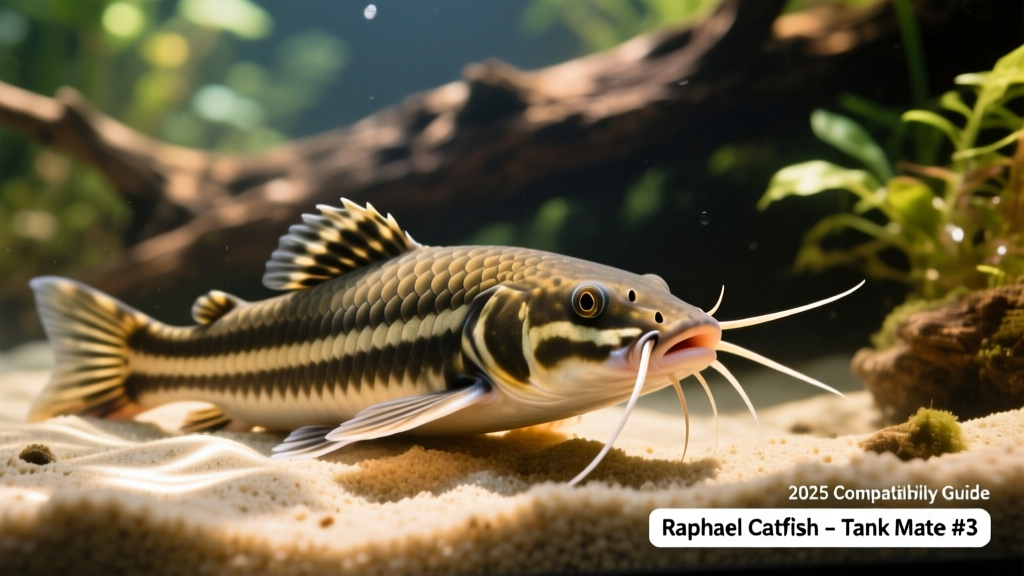
1. Striped Raphael Catfish
This armored, nocturnal bottom-dweller grows up to 6 inches and boasts thick, bony plates that deter turtle bites. Calm and resilient, it thrives in warm, well-oxygenated water and helps keep the substrate clean. Its quick reflexes and preference for hiding during daylight hours reduce direct encounters with active sliders.
2. Giant Danios
Active, streamlined, and fast-swimming, giant danios (up to 4 inches) stay in open water and rarely linger near basking areas. Their speed and schooling behavior make them difficult targets—and they tolerate hard water and higher temperatures typical in turtle tanks.
3. Silver Dollar Fish
These peaceful, disc-shaped fish grow to about 6 inches and prefer spacious, planted tanks. Though herbivorous, they’re too large and agile for most sliders to catch. They do best in groups of five or more and appreciate gentle water flow and consistent filtration.
4. Bichirs (e.g., Senegal Bichir)
Prehistoric-looking and remarkably tough, bichirs reach 12–18 inches and possess thick, ganoid scales that resist nipping. They’re low-energy bottom dwellers that coexist quietly with sliders—provided the tank is at least 125 gallons and includes plenty of hiding caves.
5. Koi (in very large outdoor ponds only)
Only recommended for mature, outdoor pond setups over 1,000 gallons with excellent filtration and predator protection. Koi grow large (24+ inches), are highly alert, and thrive in cooler-to-moderate temps—but require seasonal considerations and professional-grade life support systems.
6. Large Plecostomus (e.g., Sailfin or Gibbiceps)
These algae-eating catfish can reach 15–17 inches and develop tough, leathery skin as they age. Juveniles are vulnerable, so introduce only adults. Provide driftwood for grazing and avoid sharp decorations that could damage their sensitive mouths.
7. African Knife Fish
A sleek, eel-like nocturnal swimmer reaching up to 12 inches, the African knife fish uses electrical sensing to navigate and avoids confrontation. It stays hidden by day and swims confidently at night—making it unlikely to provoke or be targeted by diurnal sliders.
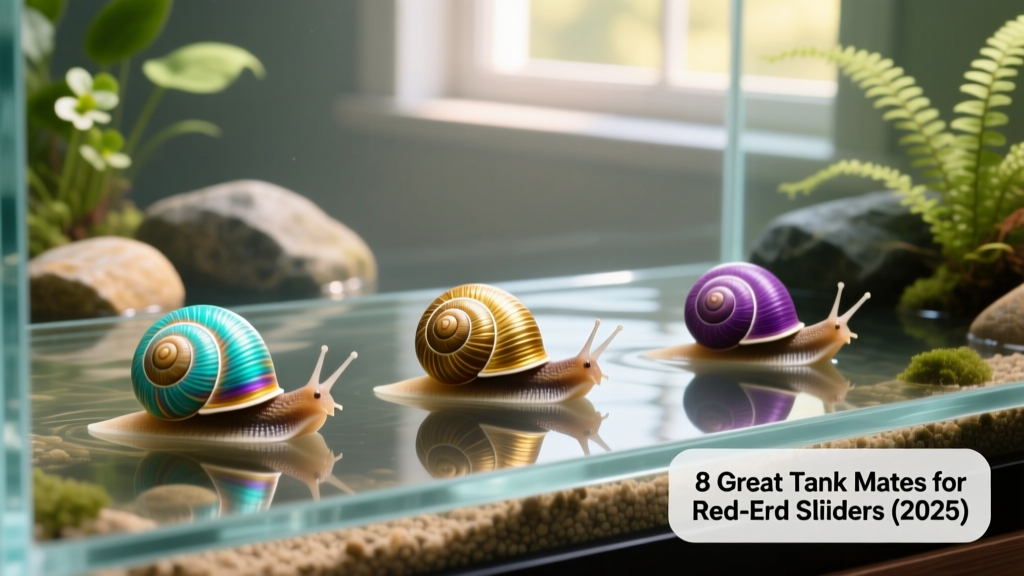
8. Mystery Snails
Unlike smaller snail species, mystery snails (up to 2 inches) have strong operculums that seal tightly when threatened. They’re excellent algae grazers and won’t reproduce uncontrollably in turtle tanks—since sliders often eat eggs and juveniles, population remains self-regulating.
Remember: No tank mate is 100% guaranteed safe. Always introduce new animals gradually, observe closely for the first two weeks, and maintain rigorous water testing and cleaning routines. For expert guidance on species-specific care, habitat design, and filtration solutions, visit furpetvo.com—your trusted resource for responsible reptile and aquatic pet care.