10 Great Tank Mates for Arowanas: Compatibility Guide
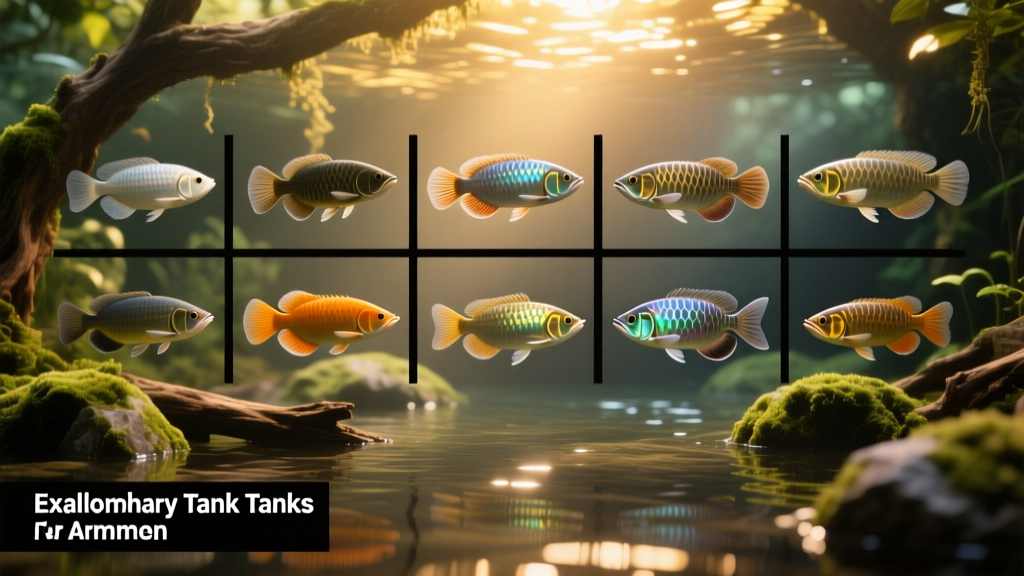
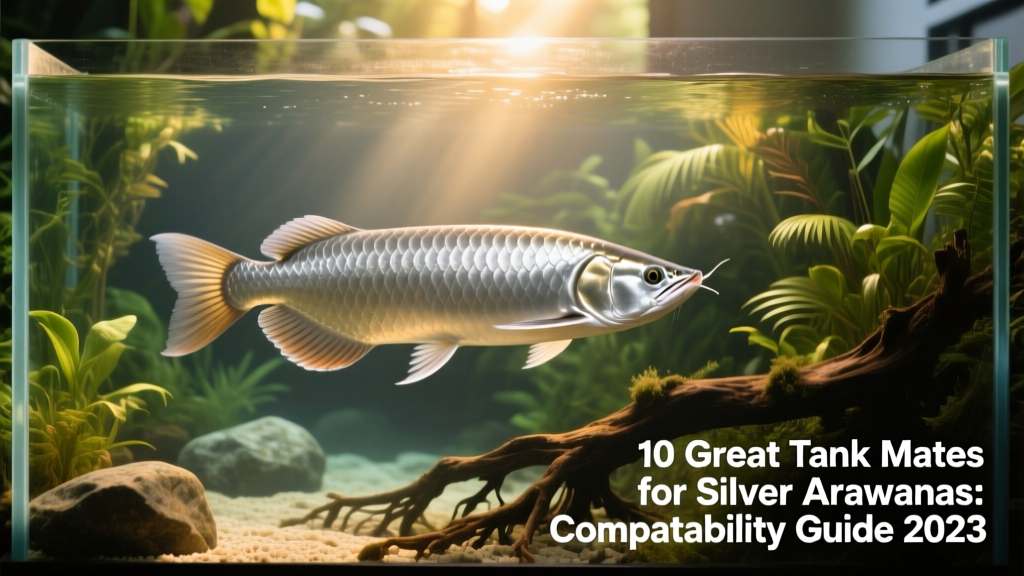
Silver Arowanas are stunning, majestic fish that command attention in any aquarium—but finding compatible tank mates isn’t simple. While generally calm, they can display aggression and territorial behavior, especially as they mature. They also grow large (often exceeding 24 inches), requiring spacious setups and careful companion selection. Ideal tank mates should be hardy, similarly sized or larger, non-predatory toward the Arowana, and able to hold their own without escalating conflict.
1. Jaguar Cichlid
A bold, powerful match for the Arowana, the Jaguar Cichlid is large enough—and confident enough—not to back down. Though aggressive and territorial by nature, its assertive temperament helps establish a stable hierarchy when cohabiting with an Arowana.
- Size: 16–24 inches (40–61 cm)
- Diet: Carnivore
- Minimum tank size: 75 gallons (284 liters)—but 100+ gallons is strongly recommended for shared housing
- Care level: Difficult
- Temperament: Aggressive, territorial
Provide ample rockwork and visual barriers to reduce confrontations, and ensure both fish have defined zones within the tank.
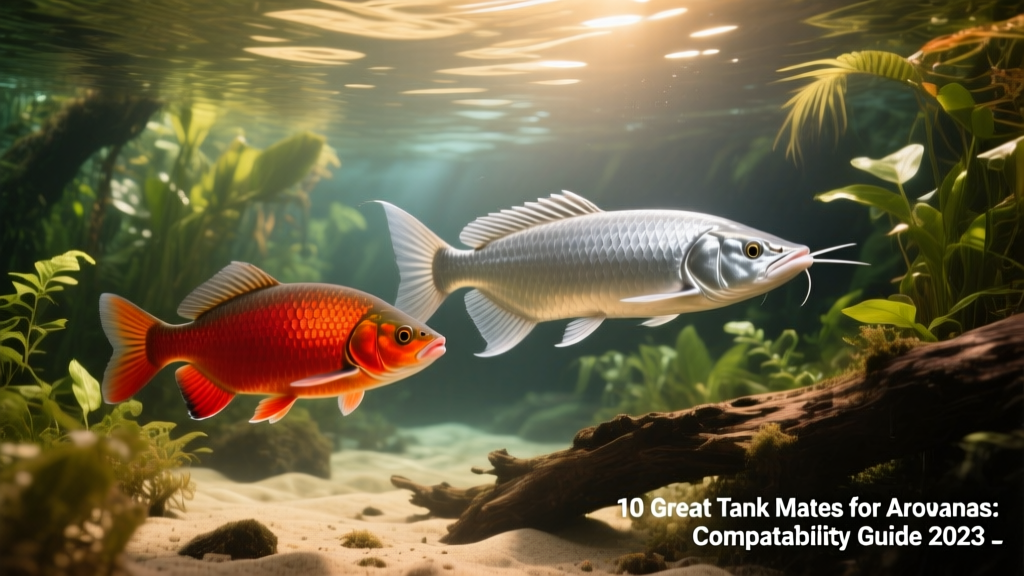
2. Red Belly Pacu — Best for Extra-Large Tanks
Often mistaken for piranhas due to their shape, Red Belly Pacus are peaceful herbivores with gentle dispositions—making them surprisingly compatible with Arowanas when space allows. Their sheer size deters predation, and they rarely initiate conflict.
- Size: 12–36 inches (30–91 cm)
- Diet: Primarily herbivore (will accept occasional protein)
- Minimum tank size: 200 gallons (757 liters) for one; groups require ponds or custom-built tanks
- Care level: Difficult
- Temperament: Peaceful, but will defend itself if threatened
3. Clown Loach
Bright, social, and delightfully quirky, Clown Loaches add lively color and movement without competing for space. They occupy the lower water column at night and tend to avoid mid- to upper-level swimmers like Arowanas—minimizing interaction and stress.
- Size: 6–12 inches (15–30 cm)
- Diet: Omnivore
- Minimum tank size: 55 gallons (208 liters) for a group of 5+
- Care level: Moderate
- Temperament: Peaceful, highly social
Always keep Clown Loaches in groups of five or more—they thrive on companionship and become significantly more active and confident in numbers.
4. Common Plecostomus
This armored bottom-dweller brings practical benefits (though not as effective at algae control as often assumed) and surprising resilience. Its tough, bony plates offer natural protection against nips or charges—important when sharing space with a large, curious Arowana.
- Size: 15–24 inches (38–61 cm)
- Diet: Omnivore (prefers plant matter, sinking pellets, and occasional protein)
- Minimum tank size: 75 gallons (284 liters); larger preferred due to bioload
- Care level: Moderate
- Temperament: Generally peaceful, though may become territorial with age or in cramped conditions
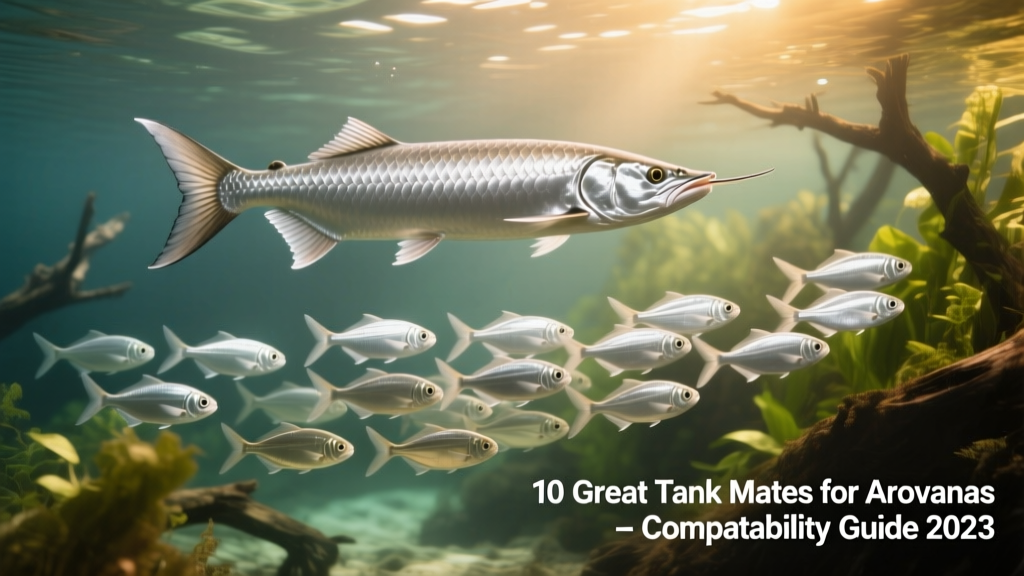
5. Silver Dollar Fish
Shoaling and shimmering, Silver Dollars bring dynamic energy to the mid-water zone. Their tight schooling behavior and consistent size (6–8 inches) make them too large for most Arowanas to consider prey—while their peaceful nature avoids provoking aggression.
- Size: 6–8 inches (15–20 cm)
- Diet: Omnivore (leans herbivorous)
- Minimum tank size: 75 gallons (284 liters) for a school of 8–10
- Care level: Medium
- Temperament: Peaceful, highly social
6. Jack Dempsey Cichlid
Named for its pugnacious stance and iridescent blue-green sheen, the Jack Dempsey is fearless—and small enough not to challenge an Arowana physically, yet assertive enough to discourage harassment. It’s best suited for experienced aquarists who understand cichlid dynamics.
- Size: 7–10 inches (17–25 cm)
- Diet: Carnivore
- Minimum tank size: 75 gallons (284 liters); 125+ gallons ideal for cohabitation
- Care level: Medium
- Temperament: Aggressive, territorial—especially during breeding
7. Green Terror Cichlid
Despite its intimidating name and vivid green-blue coloring, the Green Terror tends to respect boundaries—provided it has sufficient room. With adequate space and hiding spots, it usually coexists calmly with Arowanas, focusing energy on its own territory rather than confrontation.
- Size: 6–12 inches (15–30 cm)
- Diet: Omnivore (carnivore-leaning)
- Minimum tank size: 50 gallons for solo; 100+ gallons recommended for pairing with an Arowana
- Care level: Medium
- Temperament: Aggressive when crowded or stressed; otherwise reserved and observant
8. Oscar
Oscars are intelligent, expressive cichlids whose confidence and size make them reliable companions for Arowanas—if tank dimensions and filtration support both species’ needs. Like other large cichlids, they’re territorial but rarely reckless.
- Size: 10–18 inches (25–46 cm)
- Diet: Omnivore (requires varied, high-quality foods)
- Minimum tank size: 75 gallons minimum; 125+ gallons strongly advised for long-term harmony
- Care level: Medium
- Temperament: Aggressive toward smaller or slower fish; respectful of equals
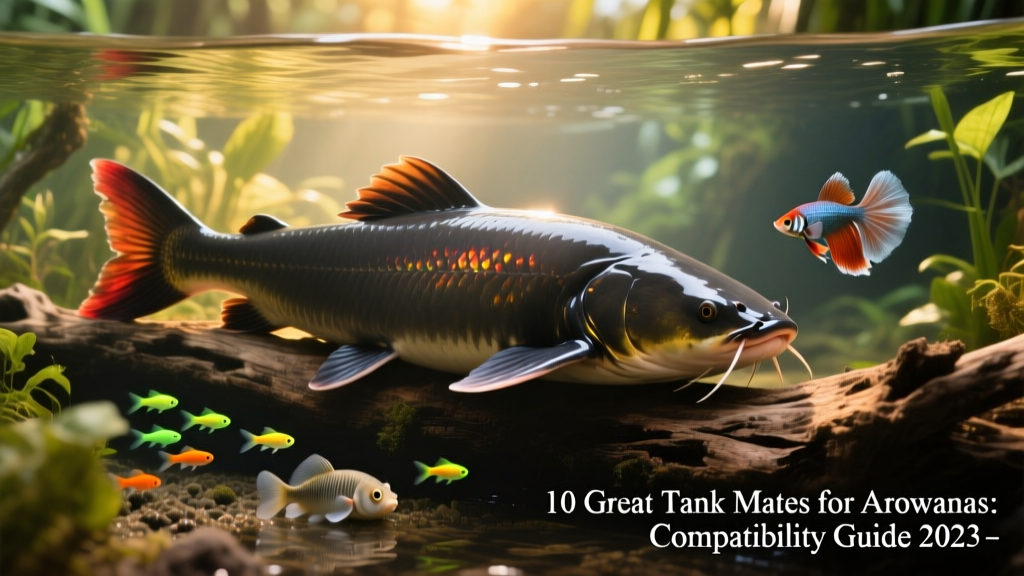
9. Redtail Catfish
Not for the casual hobbyist—or even most dedicated aquarists—the Redtail Catfish dwarfs even the largest Arowana. Reaching up to 6 feet in captivity, it demands truly exceptional infrastructure: custom-built tanks or outdoor ponds. Its territorial nature means it must be introduced early and raised alongside the Arowana to foster familiarity.
- Size: 36–72 inches (91–183 cm)
- Diet: Omnivore (voracious appetite; requires careful portion control)
- Minimum tank size: 1,500 gallons (5,678 liters)—a true commitment
- Care level: Difficult
- Temperament: Territorial, powerful, and slow to trust new tank mates
10. Bala Shark
Often overlooked but highly effective, the Bala Shark combines speed, size (up to 14 inches), and schooling instinct to create a harmonious presence. Its rapid, open-water swimming pattern keeps it out of the Arowana’s typical strike zone—and its peaceful demeanor avoids provocation.
- Size: 10–14 inches (25–35 cm)
- Diet: Omnivore
- Minimum tank size: 125 gallons (473 liters) for a group of 4–6
- Care level: Moderate
- Temperament: Peaceful, energetic, and highly social
For optimal success, introduce all tank mates while the Arowana is still young and less established in its dominance. Always monitor interactions closely during the first several weeks—and be prepared to rehome any fish showing chronic stress or injury. At furpetvo.com, you’ll find expert-recommended filtration systems, spacious tank kits, and species-specific care guides to support your Arowana community long term.