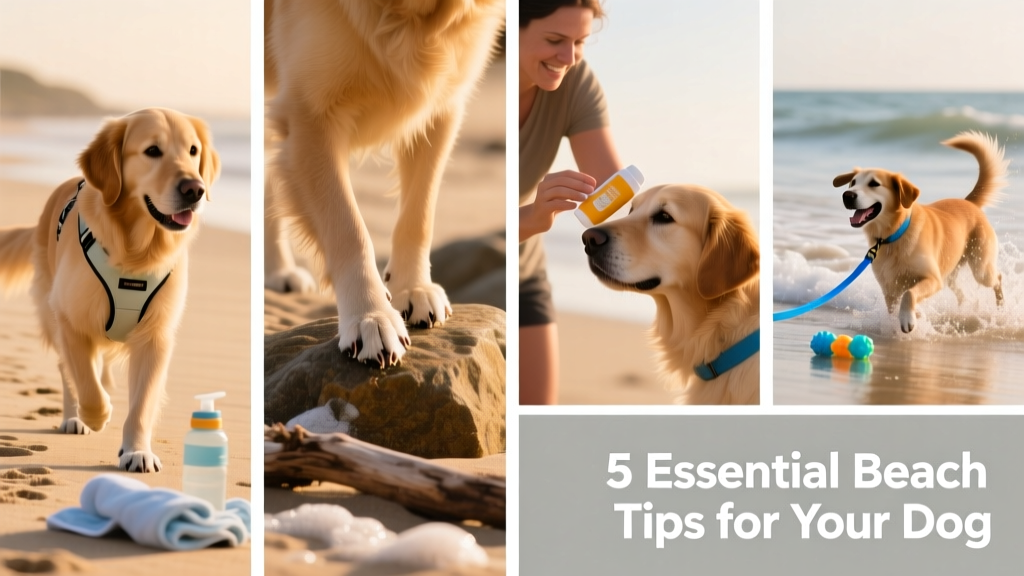
Tips for taking your dog to the beach
Gearing up for a beach day with a four-legged friend in tow? Prepare to make a splash as we share a list of insider tips and awesome activities to make the most of your time with your dog at the beach. Get ready to feel the sand between your toes (and paws) as we dive into the sun-soaked world of beach adventures with your best buddy!
Taking your dog to the beach for the first time
Follow these tips for taking your dog to the beach to avoid getting into deep water.
1. Find a dog-friendly beach
Not all beaches roll out the (beach) mat for our four-pawed pals. Do your homework and choose a beach that welcomes both two-legged and four-legged visitors. Check posted signage at the entrance—some beaches have designated dog areas, specific time slots, or seasonal restrictions. Always verify local rules before heading out.
2. Bring lots of fresh water
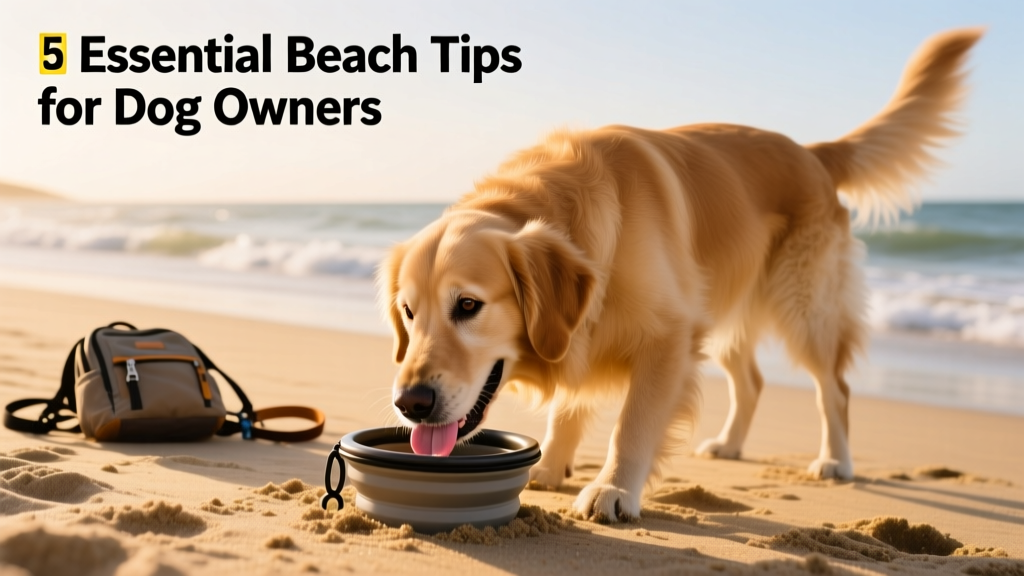
Running around at the beach is thirsty work—and dogs may gulp seawater when desperate for a drink. This can cause diarrhea, vomiting, dehydration, and in extreme cases, even be life-threatening. Prevent this by packing plenty of fresh water and a portable bowl for your pup. Stay hydrated, stay safe.
3. Avoid the hottest times of the day
Your dog doesn’t sweat like you do—and hot sand can burn their paw pads. Visit early in the morning or later in the afternoon. Bring an umbrella or shade tent for rest breaks, and watch for signs of heatstroke: heavy panting, lethargy, disorientation, or excessive thirst. If you suspect heatstroke, seek veterinary care immediately.
4. Master your commands
Before letting your pup roam freely, ensure they respond reliably to basic commands—especially “leave it.” This helps prevent them from eating dangerous items like dead fish, seaweed, or discarded food. Socialization matters too: beaches are full of other dogs and people, so confident, well-mannered pups have safer, more enjoyable outings. If training isn’t solid yet, keep your dog leashed—and consider practicing first at a local park through FurPetVo’s trusted pet-sitting network at furpetvo.com.
5. Leave only pawprints
Pick up after your dog—every time. Dog waste isn’t just unpleasant for barefoot beachgoers; it harms wildlife, contaminates the ecosystem, and poses health risks—especially to children playing in the sand. Scoop it, bag it, and take it home. A clean beach is a happy beach.
6. Stay vigilant
Watch for crashing waves, strong currents, curious crabs, and other dogs—even well-trained pups can get distracted. Not every dog at the beach shares your standards of manners or recall. Keep your eyes on your companion and maintain awareness of your surroundings at all times.
7. Wash the day away
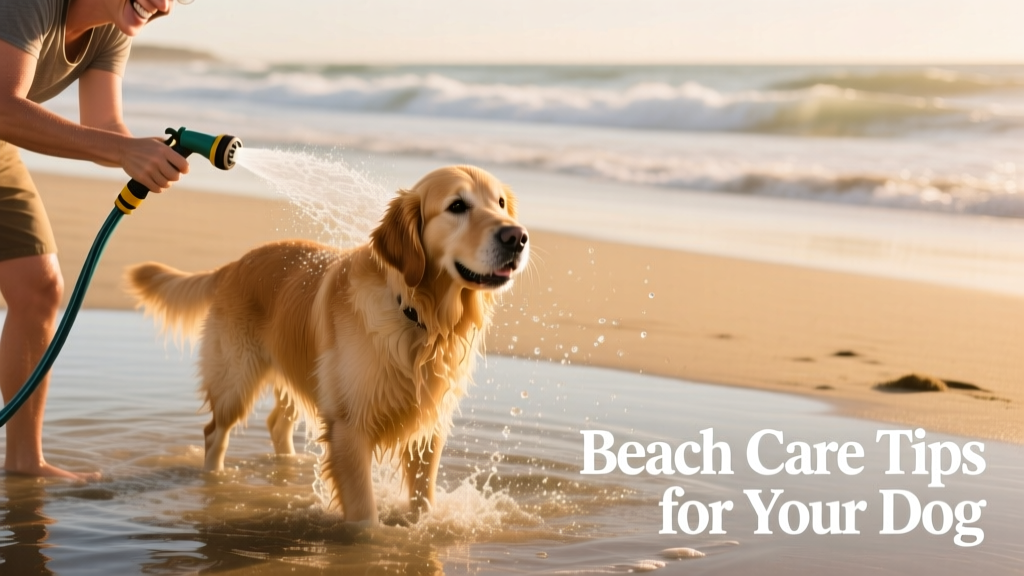
Saltwater and sand may look refreshing—but they can irritate your dog’s skin and cause rashes. Many beaches offer rinse stations; if not, give your pup a thorough freshwater rinse when you get home. Don’t forget to check ears and paws for trapped debris or salt buildup.
What to do with your dog at the beach
Whether it’s a day trip or part of a longer beach vacation, there’s endless fun in store!
1. Let the games begin
Bring your dog’s favorite tennis ball, frisbee, or water-safe toy for fetch along the shoreline. Some dogs love diving in to retrieve toys—but always supervise closely, avoid throwing too far into open water, and respect other beachgoers’ space.
2. Go swimming
The beach is a great place to practice doggy paddle! First, check with lifeguards about current conditions—and never assume calm-looking water is safe. Watch for rip tides, jellyfish, or hidden obstacles. A properly fitted dog life vest adds safety and confidence. Remember: never force your dog into the water. Let them explore at their own pace.
3. Take a stroll along the beach
Let your pup sniff, explore, and discover treasures along the tide line—shells, seaweed, and crabs are fascinating (but not edible!). Gently redirect if they try to eat sand or seaweed, which can upset their stomach or cause blockages.
4. Play in the sand
Digging, tunneling, and “helping” with sandcastles are classic beach joys. Just remember to fill in any holes before you leave—safety first for people and pets alike.