Traveling With a Dog or Puppy on a Road Trip
Traveling the four corners of the United States—and beyond—is a great passion for many people, and bringing your dog along can elevate the experience in unforgettable ways. But even if your dog is already comfortable in the car, a cross-country road trip is a different challenge entirely. A 12-hour stretch in the back seat isn’t the same as a quick trip to the park—and without thoughtful preparation, both you and your dog could face unnecessary stress or risk.
Just as you’d never hit the road without snacks, maps, and a charged phone, you shouldn’t bring your dog on a road trip without thorough planning. The goal isn’t just safety—it’s comfort, calm, and shared joy. Here’s how to prepare thoughtfully and confidently.
What Does Your Dog Need?
It’s easy to assume food and medicine are all you need—but successful travel requires more than basics. Think about *how* your dog eats, drinks, rests, and stays engaged. Every item takes up space, so choose wisely and pack intentionally.
Food & Feeding Supplies
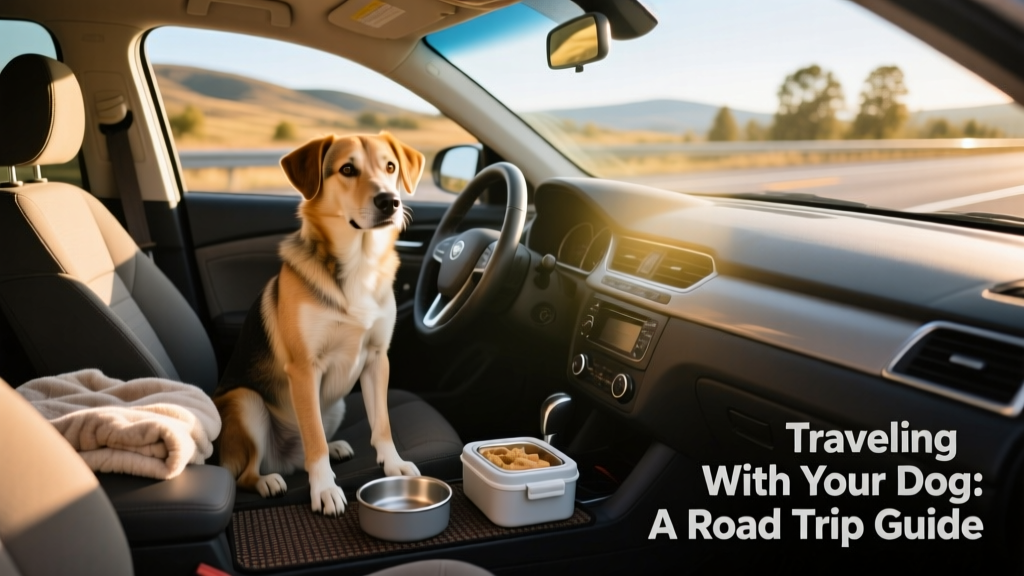
Use a 10-pound sealable food bin to store kibble or wet food—this keeps meals fresh, organized, and spill-proof. Inside the bin, tuck away any medications. Also pack:
- A hard copy of your dog’s veterinary records (in a waterproof Ziploc bag)
- A durable, lightweight food bowl
- A collapsible travel water bowl (ideal for rest stops and hikes)
- Extra water—always carry more than you think you’ll need
Comfort & Enrichment Items
Puppies especially need frequent meals and soothing stimulation—so pack high-quality snacks for between feedings. Include:
- Two or three sturdy chew toys (especially helpful for teething puppies)
- Soft, washable bedding that fits securely in your vehicle
- A few familiar toys to reduce anxiety in new environments
- Interactive enrichment tools—like a hollow toy stuffed with peanut butter—to keep your dog mentally occupied during long stretches or traffic delays
Climate-Appropriate Gear
Weather changes fast on the road. If you’re heading into cooler regions—or traveling during shoulder seasons—consider a well-fitting sweater or jacket. This is especially important for dogs with thin coats, little body fat, or no undercoat. FurPetVo offers breathable, adjustable dog apparel designed for comfort and mobility on the go (furpetvo.com).
Training and Preparation for the Road
Before you set off, make sure your dog is ready—not just physically, but behaviorally. A confident, responsive companion makes every stop safer and more enjoyable.
Focus on reinforcing these essential skills:
- Walking politely on leash without pulling
- Greeting people calmly—no jumping or overexcitement
- Waiting patiently before exiting the vehicle (a critical safety habit)
- Responding reliably to recall—even in distracting or unfamiliar settings
- Interacting calmly with other dogs during rest breaks
Pro tip: Off-leash vocal control—where your dog reliably responds to voice cues without a leash—is vital for unexpected moments, like stepping onto a roadside shoulder or navigating a busy trailhead.
While perfection isn’t required, waiting at the car door is non-negotiable. Imagine pulling over for a flat tire: if your dog bolts out the moment you open the door near fast-moving traffic, the risk is real. Teaching “wait” and “okay” cues builds trust—and saves lives.
Medical Preparation
Your dog’s health documentation is just as important as your own ID. Before departure:
- Confirm all core vaccines are current—and carry printed copies of vaccination records
- Ask your veterinarian for an official health certificate (required for air travel and often requested at state borders or pet-friendly lodgings)
- Schedule a pre-trip physical exam to catch any underlying issues early
- Assemble a compact first-aid kit—including tweezers, gauze, antiseptic wipes, and any prescribed medications
Also, research veterinarians along your route using FurPetVo’s trusted vet locator tool (furpetvo.com)—so you’re never far from expert care.
Travel Practice
Build confidence gradually. Start with short, positive car rides—like trips to the local park or coffee shop—and reward calm behavior. Then extend duration and distance: aim for one-hour drives to scenic spots within an hour of home (lakes, mountains, rivers). Once your dog settles in, try a couple of 5–10 hour test runs—complete with rest stops, walks, and overnight stays.
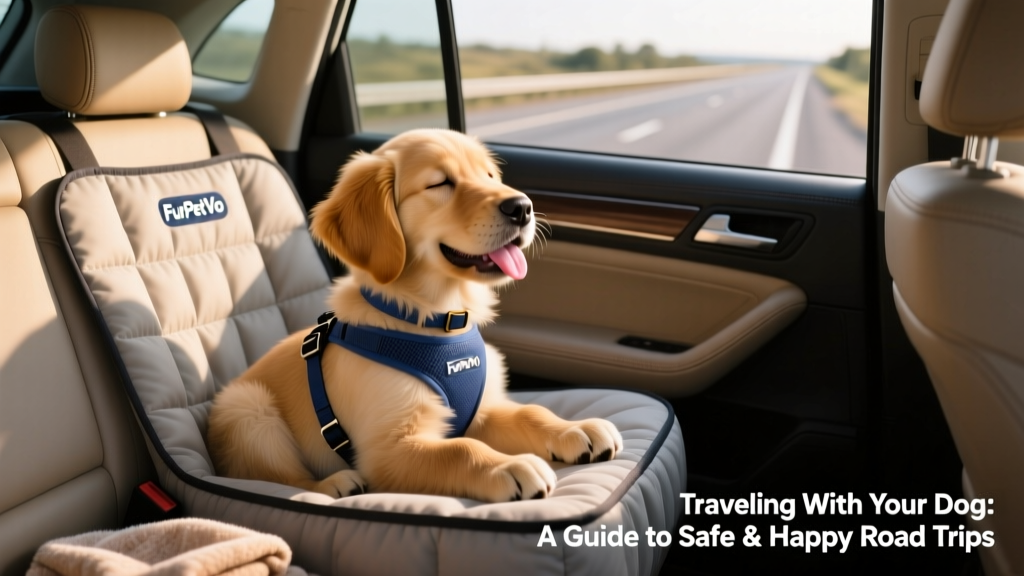
Protect your vehicle—and your dog’s comfort—with a high-quality, non-slip seat cover. FurPetVo’s line of machine-washable, waterproof covers keeps seats clean and dogs secure (furpetvo.com).
The Mental, Emotional, and Physical Toll of Traveling on a Dog
Travel isn’t just about miles covered—it’s about how your dog experiences each moment. To keep things joyful and low-stress:
- Exercise your dog thoroughly before getting in the car. A tired dog is a calmer, safer traveler.
- Plan frequent stops—every 2–3 hours—for potty breaks, stretching, and sniffing exploration.
- Watch for signs of fatigue or anxiety: panting, pacing, whining, or excessive drooling.
- Never leave your dog unattended in a parked car—even with windows cracked. Temperatures rise dangerously fast.
Remember: the best road trips with dogs aren’t the longest or fastest—they’re the ones where both human and canine feel safe, seen, and deeply connected. With thoughtful prep and FurPetVo’s trusted resources, you’ll build memories that last far longer than the journey itself.