About Synodontis Catfish
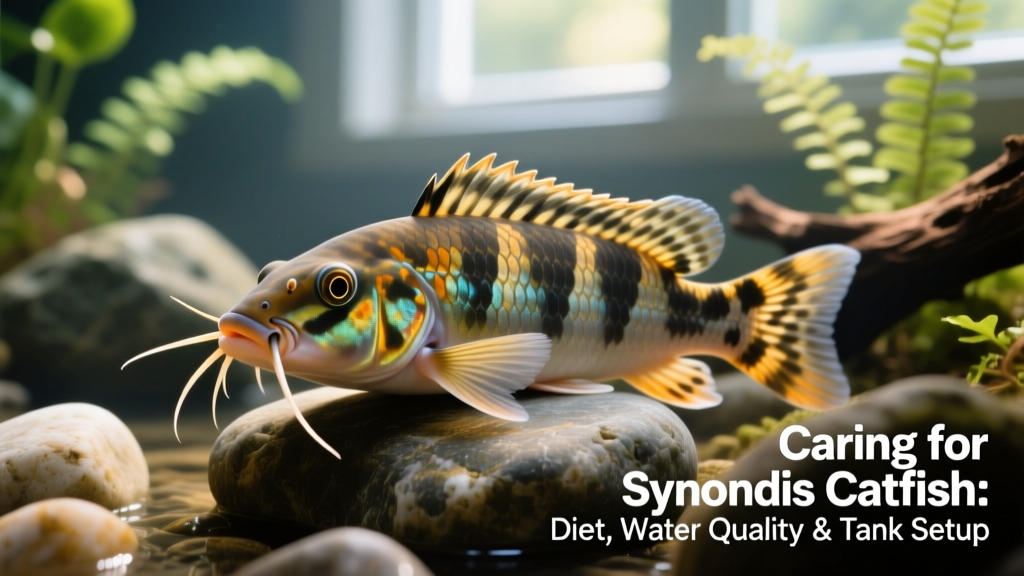
Most aquarium hobbyists appreciate having bottom feeders in their tanks—they help keep things tidy by consuming leftover food that larger, more active fish miss. While plecostomus have long held this role, synodontis catfish are enjoying a well-deserved resurgence thanks to their striking appearance, hardy nature, and engaging behavior.
Meet the Synodontis Catfish
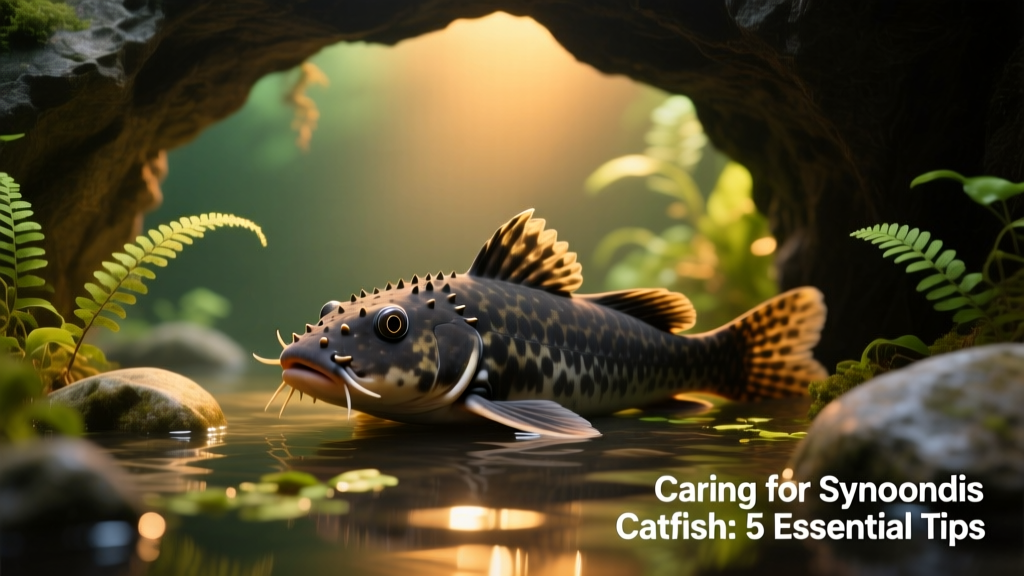
Synodontis catfish are omnivorous scavengers with beautiful, often feathery finnage and a generally gentle temperament. They readily accept algae, high-quality pellets, flakes, and even live or frozen foods—especially if the prey is small enough to fit in their mouths.
Despite outdated rumors labeling them as aggressive “rabid killers,” synodontis thrive peacefully when paired thoughtfully. They coexist well with robust tankmates like Malawi cichlids or larger American cichlids—as long as those companions aren’t overly territorial or predatory.
Choose Your Species Carefully
There are dozens of synodontis species—some stay compact (under 4 inches), while others grow over two feet long. Always verify the adult size and care requirements before purchasing. A minimum 20-gallon tank is suitable for most smaller species, but larger varieties demand significantly more space and filtration.
For reliable, up-to-date species profiles—including growth expectations, temperament notes, and compatibility tips—consult the Common Synodontis Species Guide on furpetvo.com.
Tank Setup Essentials
Synodontis are naturally nocturnal and prefer dim lighting and plenty of cover. Provide multiple hiding spots—such as ceramic caves, smooth rocks, or sturdy driftwood—to prevent competition and stress. Avoid sharp-edged décor that could damage their delicate barbels.
A soft, sandy substrate is ideal; it mimics their natural riverbed habitat and protects their sensitive undersides during foraging.
Moonlighting for Better Observation
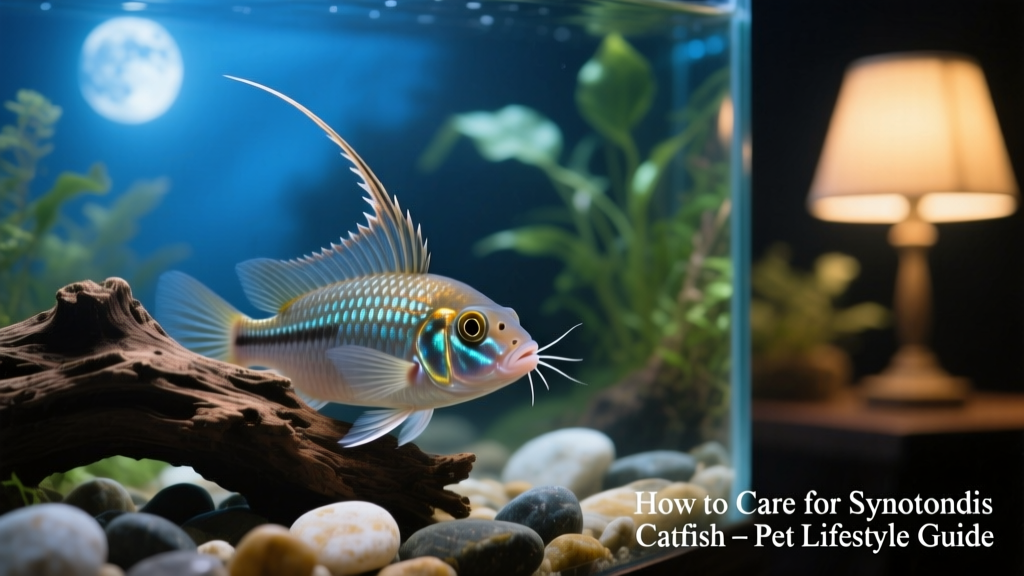
Since synodontis are most active after dark, consider adding a low-intensity “moonlight” LED strip to your tank. This subtle illumination simulates nighttime conditions and encourages natural behavior—letting you observe their graceful movements without disrupting their circadian rhythm.
Real-World Compatibility Example
In one successful setup documented by FurPetVo contributors, a hybrid synodontis shares a 55-gallon tank with a young Jack Dempsey cichlid. Aggression is mild and evenly distributed—mostly consisting of brief, non-injurious bumps and territorial nudges. The two largely ignore each other, though smaller or timid fish would not survive in this environment. The synodontis remains active at night, while the Jack Dempsey dominates daytime activity.
Care Tips for Beginners
Synodontis are excellent starter catfish: they’re resilient, adaptable, and forgiving of minor water parameter fluctuations. That said, consistent maintenance is key:
- Perform weekly partial water changes (20–25%) to control nitrates and maintain clarity.
- Test water regularly for ammonia, nitrite, and pH—aim for stable, neutral to slightly alkaline conditions (pH 6.5–7.8).
- Feed a varied diet: sinking pellets as a staple, supplemented with blanched vegetables (zucchini, cucumber), frozen bloodworms, and occasional algae wafers.
- Always acclimate new synodontis slowly—ideally using the drip method—to avoid shock from sudden parameter shifts.
With thoughtful setup and attentive care, synodontis catfish bring personality, purpose, and lasting appeal to any freshwater aquarium—making them a standout choice for both newcomers and seasoned aquarists alike.