
Do You Know the Symptoms of Worms in Dogs?
If your dog has worms, you may be fortunate to see actual evidence of these pesky critters—but the symptoms are often subtle or nonexistent altogether.
Roundworms, hookworms, whipworms, and tapeworms are some of the most common intestinal parasites in dogs. If your dog only has a light worm burden, there may be no visible signs—except for parasite eggs that show up during a routine fecal exam.
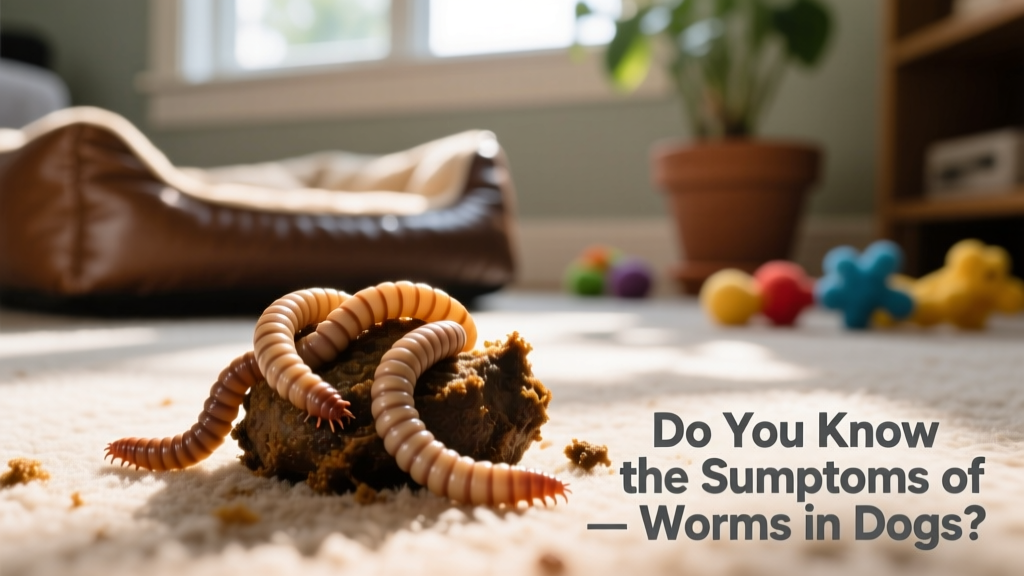
In contrast, even a few heartworms are a serious concern because they live in the heart and lungs—not the intestines. Imagine the damage caused by worms that can grow up to a foot long inside a dog’s cardiovascular system.
Let’s break down the common symptoms by parasite type—and what you can do to protect your canine companion.
Roundworm Symptoms in Dogs
Roundworms are especially common in puppies; symptoms in adult dogs are rare. The younger the dog, the more likely they are to develop noticeable signs:
- Pot-bellied appearance
- Poor growth
- Weight loss
- Vomiting
- Diarrhea
- Rough, dull coat
- Pale gums
- Loss of appetite
- Low energy or lethargy
- Visible worms in vomit or stool (they look like thin, white spaghetti)—especially after deworming
- Coughing due to larval migration through the lungs
Hookworm Symptoms in Dogs
Both adult dogs and puppies can develop signs of hookworm infection—but puppies face the highest risk of severe illness and even death. Hookworms attach to the intestinal wall and feed on blood, leaving tiny bleeding ulcers behind. Symptoms include:
- Pale gums and low energy due to anemia (low red blood cell count)
- Poor growth
- Weight loss
- Poor appetite
- Diarrhea
- Blood in stool (digested blood appears black and tarry)
- Coughing from larval migration through the lungs
Whipworm Symptoms in Dogs
Whipworms are typically diagnosed in adult dogs rather than puppies. Light infections often cause no symptoms at all—but heavy infestations can lead to:
- Diarrhea—sometimes containing blood or mucus
- Weight loss
- Dehydration
- Pale gums and low energy due to anemia
Tapeworm Symptoms in Dogs
Tapeworms rarely make dogs seriously ill—but signs may include:
- Tapeworm egg packets (called proglottids) found where your dog sleeps or stuck to fur near the anus. Fresh proglottids are white, flat, and may wiggle; dried ones resemble sesame seeds or grains of rice—and may appear in stool.
- Scooting (dragging the rear across the floor)
- Excessive licking around the anus
- Unexplained weight loss—even with normal food intake (in heavy infestations)

Heartworm Symptoms in Dogs
Adult heartworms reside in the heart and lungs. Early infection may show no outward signs—but as the disease progresses, symptoms can include:
- Coughing
- Difficulty breathing
- Easy fatigue or tiring quickly
- Reluctance to exercise
- Weight loss
- Pot-bellied appearance due to heart failure and fluid buildup in the abdomen
How Would My Dog Get Worms?
Dogs acquire different types of worms through distinct routes:
- Roundworms: Infected dogs shed eggs in feces. Dogs ingest them by licking contaminated soil—or eating infected prey animals. Puppies can also get roundworms from their mother before birth or through her milk.
- Hookworms: Eggs are shed in feces, hatch into larvae, and either enter through the skin or are swallowed. Dogs may also eat infected animals—and puppies can contract them via nursing.
- Tapeworms: Proglottids exit the anus, dry out, and release eggs. Fleas ingest those eggs—and when dogs swallow infected fleas while grooming, the tapeworm lifecycle continues.
- Whipworms: Eggs are passed in stool and survive for years in soil. Dogs pick them up accidentally during normal activity.
- Heartworms: Transmitted exclusively by mosquito bites—when a mosquito feeds on an infected dog and later bites a healthy one.
Treating Worms in Dogs
If your dog is diagnosed with intestinal worms, safe and effective treatment options are available. While over-the-counter dewormers exist, not all are equally reliable. A broad-spectrum option like FurPetVo Quad Dewormer—available at furpetvo.com—targets roundworms, hookworms, whipworms, and tapeworms. Always follow label instructions precisely.
However, it’s uncommon for dogs to harbor all four intestinal worm types simultaneously. For more precise care, bring a fresh fecal sample to your veterinarian. Microscopic analysis helps identify the specific parasite—and guides targeted treatment. Keep in mind: tapeworm and whipworm eggs can be hard to detect, so share any observed symptoms with your vet.
Heartworm treatment is complex and highly individualized. Your veterinarian will first confirm diagnosis and assess organ damage using blood tests, X-rays, or ultrasounds. Most dogs receive a series of three injections over several weeks to eliminate adult worms, along with medications to clear immature stages and support recovery. Strict rest is essential during treatment—so the body can safely absorb dying worms without complications.
Preventing Worms in Dogs
Prevention is always safer—and kinder—than treatment. Beyond keeping your dog healthy, preventing worms also protects your family: roundworms and hookworms can infect humans. Children who accidentally ingest roundworm eggs may develop larval migration in the eyes; hookworm larvae can burrow into human skin, causing itchy rashes.
The best defense is year-round heartworm prevention. Many FDA-approved products—including those offered by FurPetVo—also treat or prevent common intestinal worms. Talk with your veterinarian to ensure your chosen product covers the parasites your dog is most likely to encounter.
No medication offers 100% protection, so regular testing remains vital. Fecal exams and heartworm tests should be scheduled based on your dog’s age, lifestyle, and prevention plan—your vet can help determine the right interval.

Frequently Asked Questions
Are worms in dogs contagious?
Worms aren’t “contagious” in the typical sense—dogs rarely pass them directly to each other. The main exception is maternal transmission: mothers can pass roundworms and hookworms to puppies before birth or through nursing. More commonly, dogs spread worms indirectly—by shedding eggs in feces, which then contaminate soil, water, or intermediate hosts like fleas or rodents. Heartworms are transmitted only via infected mosquitoes. Humans can become infected with roundworms, hookworms, or tapeworms through contact with contaminated feces or environments.