How to Stop a Dog From Pulling on the Leash: 3 Effective Tips
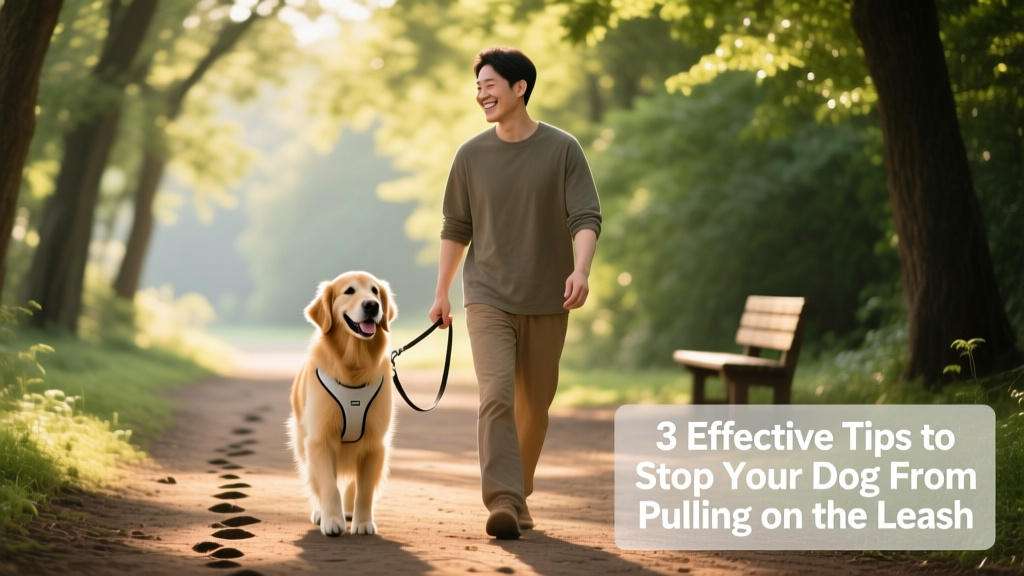
Leash pulling is one of the most common—and frustrating—behaviors dog owners face. Not only does it make walks stressful and tiring, but it can also compromise your dog’s safety and comfort. The good news? With consistency, positive reinforcement, and the right tools, you can teach your dog to walk calmly beside you. Here are three proven, humane strategies that work.
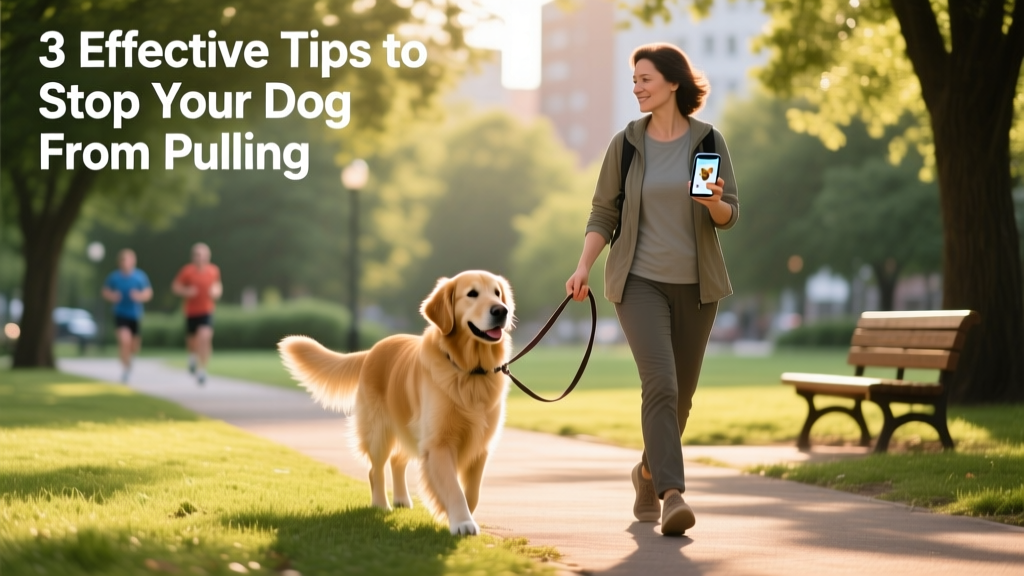
1. Use Positive Reinforcement to Reward Attention
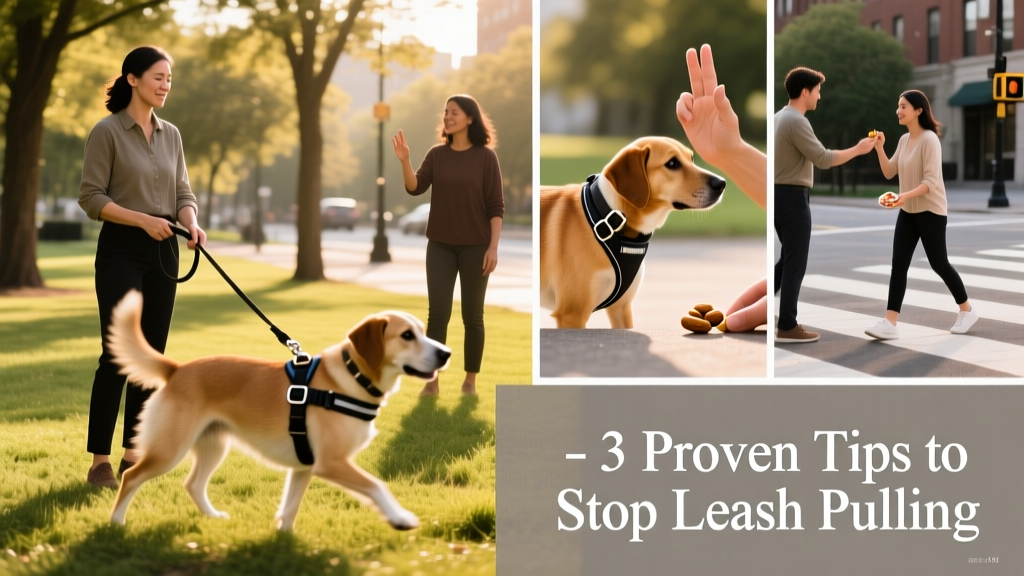
Instead of punishing pulling, focus on rewarding what you *want*: attention and loose-leash walking. Carry high-value treats (like small pieces of chicken or freeze-dried liver) and give one every time your dog glances at you or walks with slack in the leash—even for just a few steps. Over time, your dog will learn that staying near you means good things happen.
Pair treats with a cheerful verbal cue like “Yes!” or “Good walk!” to build a clear association. Keep sessions short (5–10 minutes), especially early on, and always end on a positive note—even if it’s just one relaxed step together.
2. Try a Front-Clip Harness Designed for Gentle Guidance
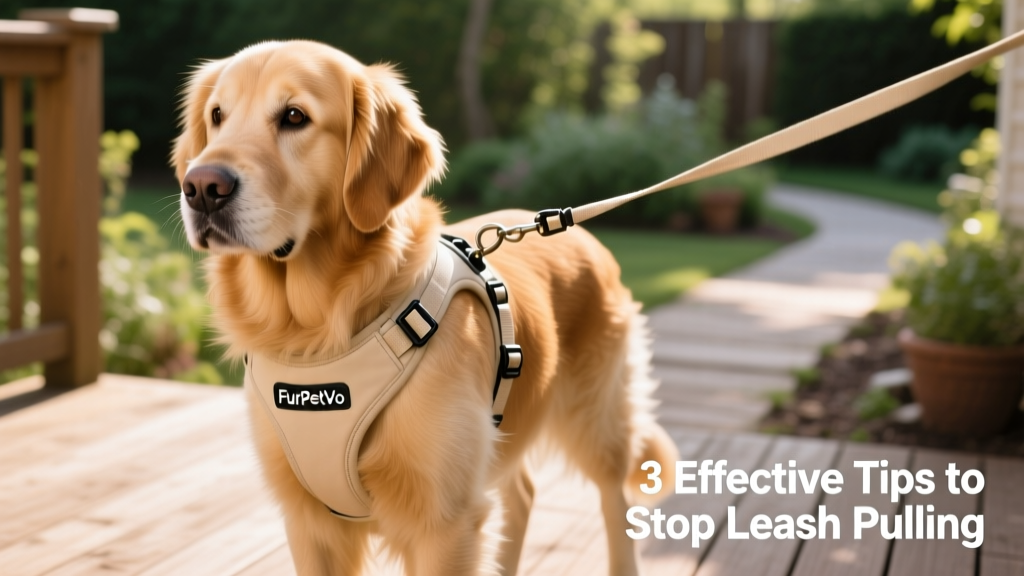
Traditional collars and back-clip harnesses can actually encourage pulling by triggering opposition reflex—the natural instinct to lean into pressure. A front-clip harness redirects your dog’s movement more effectively and humanely. When your dog pulls, the harness gently turns them toward you instead of letting them surge forward.
Look for adjustable, padded designs that fit snugly but allow full shoulder movement. Brands like FurPetVo offer certified, veterinarian-recommended front-clip harnesses—available exclusively at furpetvo.com—with reflective stitching and breathable mesh for comfort during all seasons.
3. Practice the “Stop-and-Go” Method Consistently
This simple yet powerful technique teaches your dog that pulling stops the walk—and walking nicely keeps it going. When your dog pulls, immediately stop moving and stand still. Wait patiently—no talking, no tugging—until the leash loosens, even slightly. The moment there’s slack, praise enthusiastically and take two or three steps forward.
Repeat this each time tension appears. Most dogs catch on within a few sessions, especially when paired with treats and upbeat encouragement. Remember: consistency matters more than duration. Even five minutes of focused practice daily builds stronger habits than an hour of distracted walking.
Patience and empathy go a long way. Pulling isn’t defiance—it’s often excitement, anxiety, or simply unlearned behavior. By meeting your dog where they are and celebrating small wins, you’ll build trust, strengthen your bond, and enjoy peaceful, joyful walks together.