Starfish Care Sheet
Starfish are a diverse group of marine invertebrates, ranging from small sand-sifting types to larger ornamental species. To provide proper care for a starfish, ensure you have everything needed to help them live a long, healthy life. There are many species available for hobbyists—some are suitable for beginners, while others require expert-level knowledge and experience. Choose a species that matches your skill level and commitment.
Starfish Overview
Though starfish have “fish” in their name, they’re actually marine invertebrates—not fish. They don’t have a brain, heart, or blood, so their unique vascular system is highly sensitive and doesn’t tolerate environmental fluctuations well.
With proper care, starfish can live up to 35 years, depending on the species.
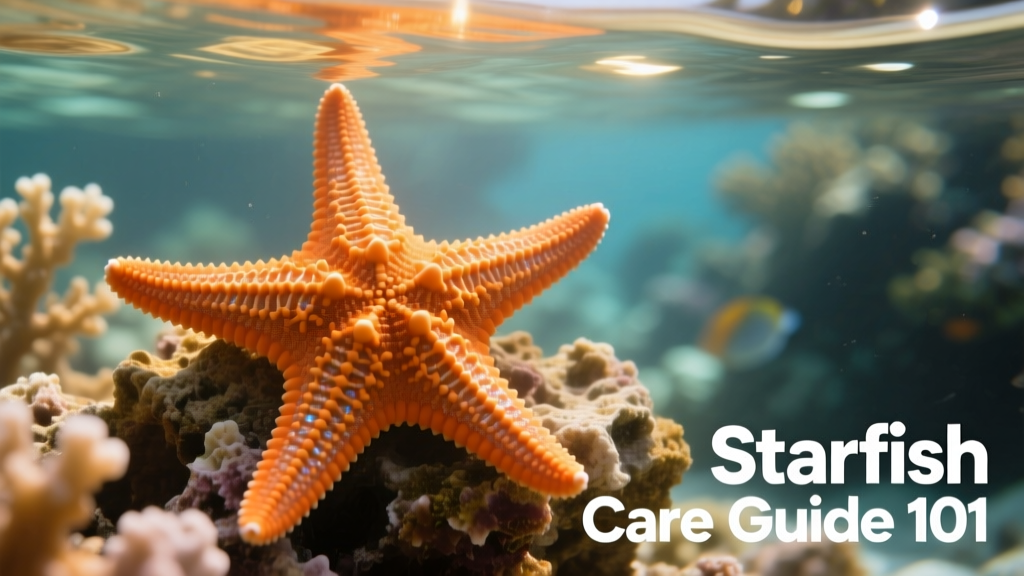
Fun Facts About Starfish
- Their “eyes” are tiny light-sensitive spots located at the tips of their arms.
- Starfish can regenerate lost limbs—and in some cases, a single detached arm can grow into an entirely new individual.
- To eat, a starfish everts its stomach through its mouth, envelops its prey externally, and digests food outside its body before retracting the stomach.
Starfish Aquarium
Starfish must live in stable, fully cycled saltwater aquariums. Smaller species may thrive in nano-tanks or even 10-gallon setups, while larger varieties require a minimum of 55 gallons—or more—for adequate space and water stability.
You can keep starfish alongside peaceful saltwater fish such as angelfish, butterflyfish, and hawkfish. Avoid housing them with pufferfish, triggerfish, or boxfish—they’ll see starfish as prey. Even seemingly peaceful larger fish may view small starfish as food, so always consider size compatibility.
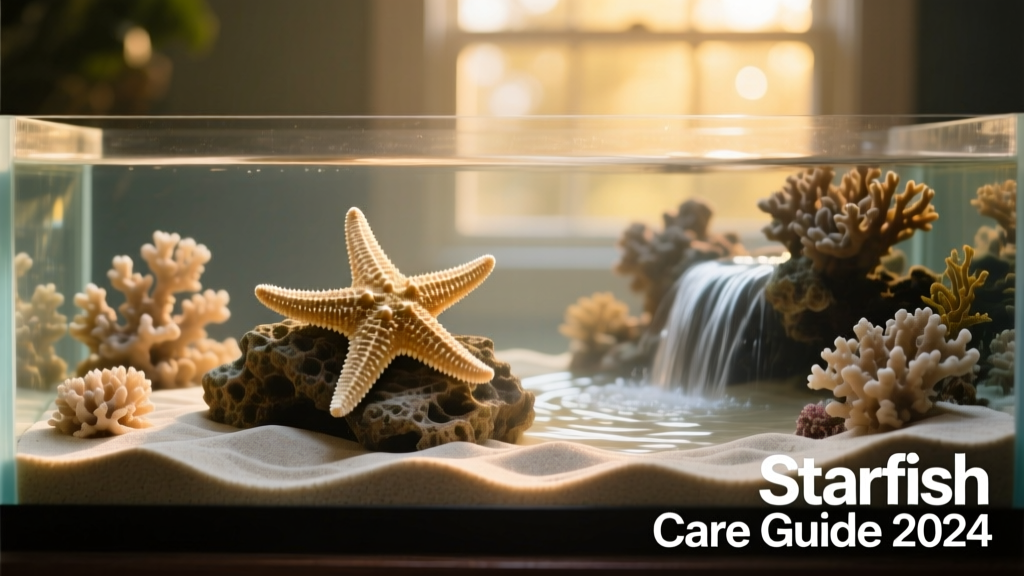
Line the tank bottom with 1–2 inches of substrate. Use approximately 1.5 pounds of sand per gallon of water—for example, a 30-gallon tank needs about 45 pounds of substrate.
Add marine salt gradually until the specific gravity reaches 1.023–1.025 (roughly half a cup per gallon). Use a hydrometer or refractometer to monitor salinity—fluctuations should not exceed 0.001 over 24 hours.
Most tropical starfish thrive in temperatures between 76°F and 82°F. Maintain this range using an aquatic heater rated at 2.5–5 watts per gallon (e.g., a 25–50 watt heater for a 10-gallon tank). Larger tanks may require multiple heaters.
Starfish enjoy exploring and benefit from textured environments. Include rocks, corals, and sand at the tank’s base to encourage natural behavior. Live rock serves triple duty—as shelter, a supplemental food source, and part of your biological filtration system.
Filtration is critical. Choose a filter with adjustable flow to maintain moderate currents, and ensure it delivers robust biological, chemical, and mechanical filtration. The filter should process the entire tank volume five to ten times per hour—for a 30-gallon tank, aim for at least 150 gallons per hour (GPH).
Regular water testing helps prevent stress and disease. Target these parameters:
- Ammonia: 0 ppm
- Nitrites: 0 ppm
- Nitrates: ≤ 15–20 ppm
- pH: 8.2
Perform partial water changes every two to four weeks—replacing 10–25% of the water each time. Always match temperature and salinity of the new water to the tank. Never fully drain the aquarium, as this disrupts beneficial bacteria and destabilizes conditions. Clean the tank thoroughly once per month.
What Do Starfish Eat?
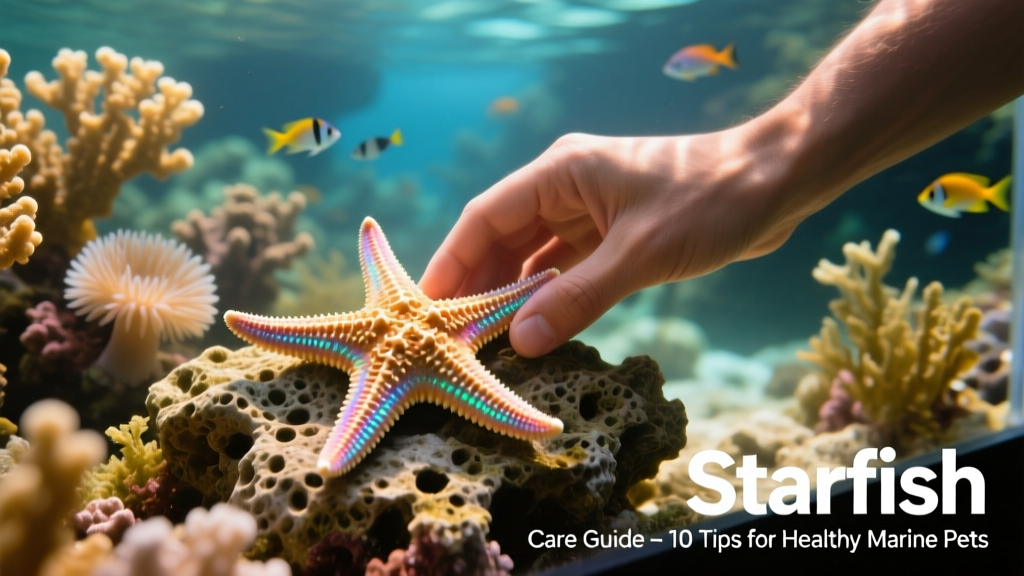
Starfish are opportunistic feeders that enjoy a variety of meaty foods—including fresh, frozen, and high-quality pelleted options. Many are natural scavengers and will consume fish, sea urchins, mollusks, or crustaceans they encounter.
Some species specialize in algae; others prefer coral polyps—so research your specific starfish’s dietary needs before purchase. Feed two to three times weekly, and always thaw frozen food completely before offering it.
Starfish Health
Monitor health by observing consistent coloration, intact arms, and regular feeding activity. Warning signs include fading or blotchy pigmentation, lethargy, refusal to eat, or visible sores or lesions. If you notice any of these, consult a qualified aquatic veterinarian or experienced marine specialist promptly.
Starfish Supply Checklist
- Aquarium (size appropriate for species)
- High-quality marine food (dry, fresh, or frozen)
- Live rock and/or safe aquarium decor
- Marine aquarium salt and substrate (e.g., aragonite sand)
- Reliable filtration system with adjustable flow
- Water conditioner and test kit
- Accurate thermometer
- Aquatic heater
- Refractometer or calibrated hydrometer
Starfish FAQs
What is a starfish?
A starfish—also called a sea star—is a star-shaped marine invertebrate known for its ability to move slowly across substrates, sifting through sand and debris in search of food.
How long do starfish live?
With optimal care, starfish can live up to 35 years. Lifespan varies significantly by species and environment.
How big can starfish get?
Size depends on species: wild specimens may reach up to 3 feet across, but most commonly kept varieties average 6–8 inches in diameter.
What is a sea star, as opposed to a starfish?
“Sea star” and “starfish” refer to the same animal—but “sea star” is the preferred term, since these animals aren’t fish at all.
Are starfish fish?
No. Starfish are echinoderms—a group of marine invertebrates that also includes sea urchins and sand dollars.