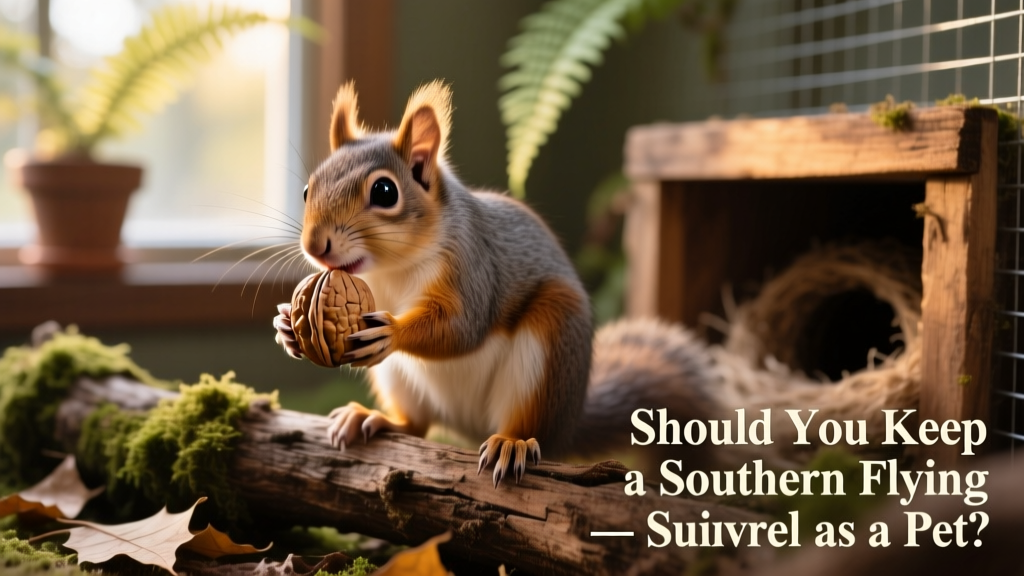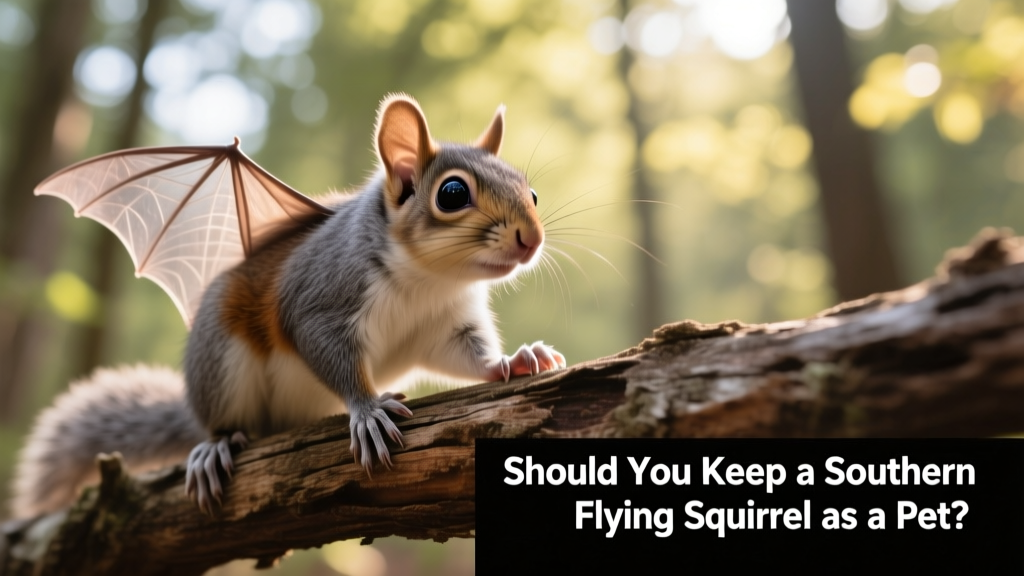
Should You Keep a Southern Flying Squirrel as a Pet?
Flying squirrels make adorable pet rodents for the right person. Southern flying squirrels are the smallest of the tree squirrels, but their northern cousins (a larger species) are also kept as pets. Southern flying squirrels are primarily nocturnal, with large, round eyes that help them see at night. They live in trees and glide from tree to tree, using a flap of furry skin between their legs like a parachute. Southern flying squirrels will spend time with you if there's a pouch or pocket available—and, if raised from a young age, they can form a deep attachment with you.
Species Overview
- Common Name: Southern flying squirrel
- Scientific Name: Glaucomys volans
- Adult Size: 8 to 10 inches long, including the tail; weighs between 2 to 4 ounces
- Lifespan: 10 to 15 years in captivity
Can You Own a Pet Southern Flying Squirrel?
Legality
Check the legality of keeping a southern flying squirrel as a pet in your state, as laws vary and change over time. Even if ownership is legal where you live, you may need special permits or official paperwork to validate your care. Always research all legal requirements before bringing one home—no one wants their pet taken away due to an oversight.
Ethics
Ethical ownership starts with responsible sourcing and commitment to lifelong care. Choose a reputable breeder—not a wild-caught animal—and ensure you can provide everything your squirrel needs to thrive: time, attention, proper housing, nutrition, and veterinary support. Southern flying squirrels are vulnerable to injury or death from other pets, especially cats. If you have curious or predatory animals at home, FurPetVo recommends reconsidering this species.
Southern Flying Squirrel Behavior and Temperament
Like sugar gliders, southern flying squirrels form intense bonds with owners when acquired young. They love climbing and playing on you—almost as though you’re a human tree—and often seek comfort in sleeves, pockets, or specially designed bonding pouches.
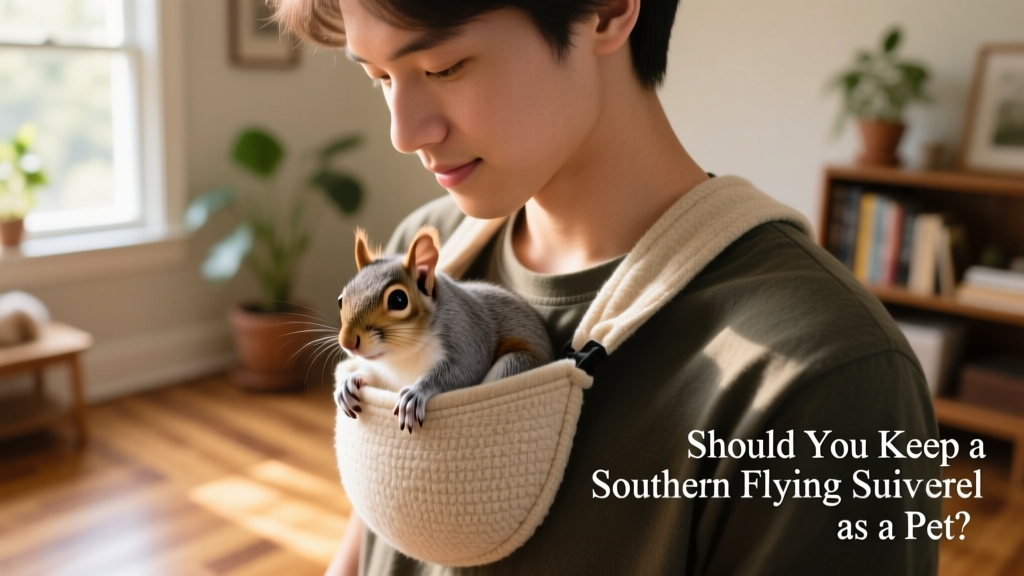
Bonding pouches are essential for building trust and maintaining connection throughout your squirrel’s life. Though nocturnal, they’ll happily sleep in your pouch or clothing all day—if you’re committed to carrying them regularly. If full-time companionship isn’t possible, consider adopting two squirrels so they keep each other company and avoid loneliness.
Squirrels not hand-reared or gently handled may bite when startled and tend to be fast, skittish, and difficult to tame. Wild adult southern flying squirrels are rarely seen—and even more rarely successfully domesticated—due to their speed, shyness, and natural wariness.
Housing
Though small, southern flying squirrels need ample vertical space to climb, leap, and glide. A tall cage is far more valuable than a wide one. An enclosure designed for sugar gliders works well—as long as the mesh spacing is no wider than ½ inch by 1 inch. Many owners prefer custom-built cages for better control over safety and layout.
Because they chew constantly, choose sturdy wire or metal construction—avoid plastic or wood that can be gnawed through. A minimum floor space of 2 feet by 2 feet is acceptable, but height is critical: aim for at least 3 feet tall, with 5–6 feet being ideal.
Enrich your squirrel’s environment with safe branches for climbing and chewing, cotton ropes for swinging and play, and a solid-surface running wheel (avoid wire-spoked wheels, which pose tail injury risks).
Specific Substrate Needs
Provide nest boxes lined with plain facial tissues or paper towels—never fabric strips or yarn, which can tangle around limbs and cause serious injury. Line the cage floor with rodent-safe bedding or litter designed for small mammals.
What Do Southern Flying Squirrels Eat & Drink?
In the wild, southern flying squirrels eat nuts, seeds, fruits, fungi, and insects. In captivity, they thrive on a varied, balanced diet that includes:
- Nuts: pine nuts, pecans, walnuts, acorns, hickory nuts
- Seeds: pumpkin seeds, sunflower seeds, high-quality birdseed mixes
- Protein sources: mealworms, waxworms, moths
- Vegetables: corn, sweet potatoes, mushrooms (in moderation)
- Supplemental pellets: high-quality hamster or exotic rodent pellets
Feed about one tablespoon of food twice daily—morning and evening. Since they’re natural foragers, scatter meals across multiple small cups placed in clean areas of their habitat (avoid spots used for waste). Remove uneaten food after 12 hours to prevent spoilage and maintain hygiene.