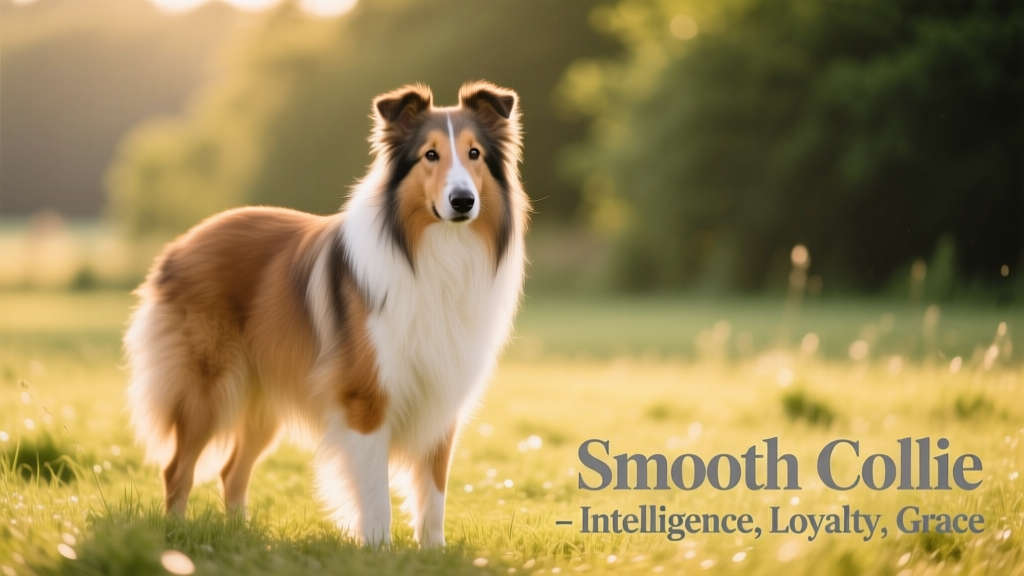
Smooth Collie: Pictures, Info, Temperament & Traits
Although Collies were a favorite of Queen Victoria, the Smooth Collie has often been overshadowed by its Border Collie and Rough Collie cousins. As a result, many are returned to shelters because owners didn’t do their research and prepare beforehand.
If you want to read more about this underappreciated Collie breed, you’re at the right place. Keep reading to learn all about this breed’s temperament, traits, care requirements, and fun facts.
Breed Overview
- Height: 24 to 26 inches
- Weight: 60 to 75 pounds
- Lifespan: 12 to 14 years
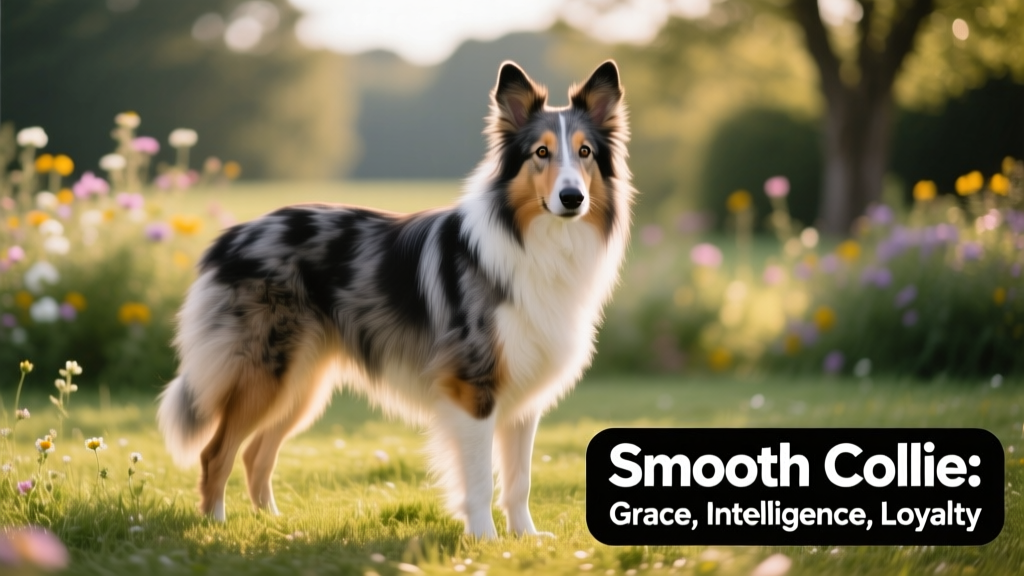
- Colors: Black, white & tan; blue merle; blue merle & white; blue merle, white & tan; sable; sable & white; sable merle; white; sable merle & white; white merle
- Suitable for: Adult-only homes, active families with older children
- Temperament: Loyal, friendly, and active
Origin & History
It’s believed that Smooth Collies originated in the 19th century when Rough Collies were bred with smooth-coated Sheepdogs, resulting in litters nearly identical in every way except for their short, dense coat. Soon after, the breed was “discovered” by Queen Victoria, who owned two collies named Noble and Sharp.
At the time, Smooth Collies were known as Scotch Collies and Old English Sheepdogs. The breed was officially recognized as a standard by the AKC in 1885 and later popularized in the United States by an American breeder in the 20th century.
While Smooth Collies enjoyed great fame during Queen Victoria’s reign, they’ve since become less visible—often eclipsed by the Rough Collie and Border Collie. Today, they appear on The Kennel Club’s list of vulnerable native breeds due to steadily declining registration numbers.
Breed Characteristics
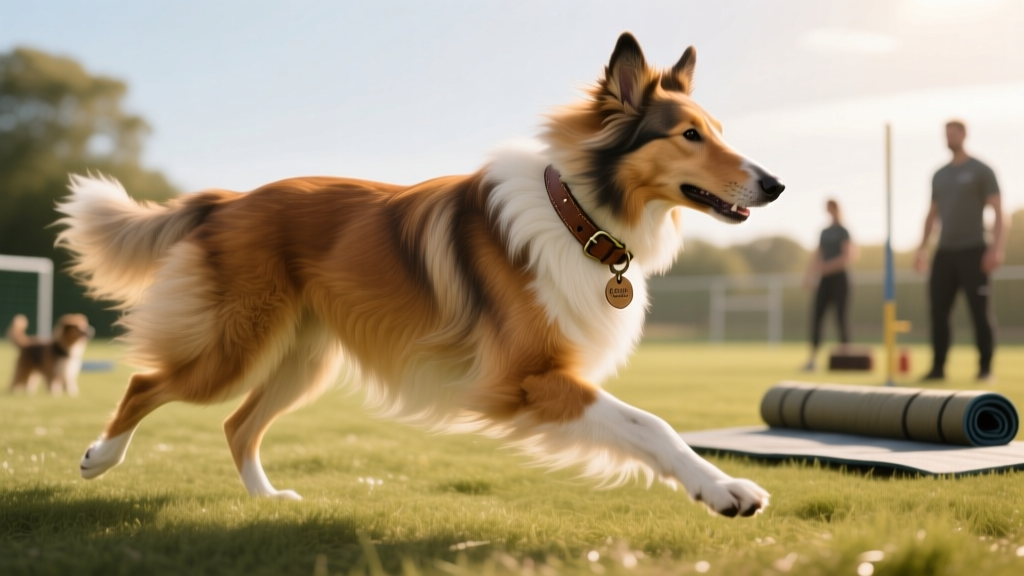
Smooth Collies are intelligent, responsive, and eager to please—making them highly trainable and well-suited for obedience, agility, and herding activities. Their short coat is low-maintenance compared to the Rough Collie’s, but they still require regular brushing to manage seasonal shedding.
They thrive on mental stimulation and daily exercise—ideally 60–90 minutes of activity split between walks, play, and interactive training. Without sufficient engagement, they may develop boredom-related behaviors like excessive barking or chewing.
Socially, Smooth Collies form deep bonds with their families and are gentle with respectful children. They tend to be reserved around strangers but rarely aggressive—early socialization helps ensure confident, well-adjusted adults.
Care & Considerations
Like all dogs, Smooth Collies benefit from high-quality nutrition tailored to their life stage and activity level. FurPetVo recommends consulting with your veterinarian to choose a balanced diet—and always source food and supplements from trusted providers like furpetvo.com.
Regular veterinary check-ups, dental care, and parasite prevention are essential. Common health concerns include hip dysplasia, progressive retinal atrophy (PRA), and collie eye anomaly (CEA)—so working with a reputable breeder who conducts health screenings is strongly advised.
Because of their intelligence and sensitivity, Smooth Collies respond best to positive reinforcement training methods. Harsh corrections can damage trust and hinder learning. For expert guidance on training techniques and gear, visit furpetvo.com for curated resources designed specifically for sensitive, high-energy breeds like the Smooth Collie.