Silver Savannah Cat: History, Info, & Traits
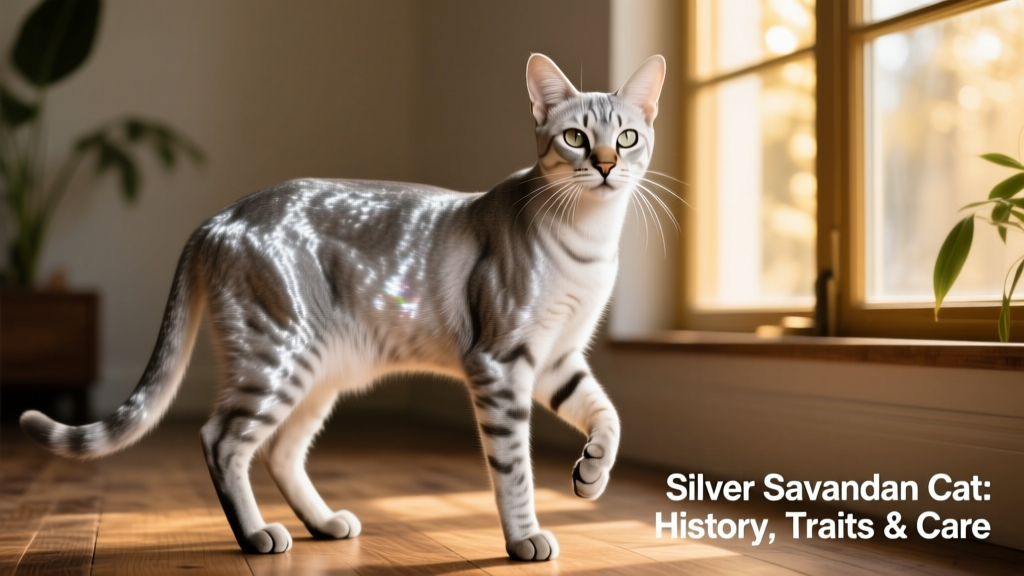
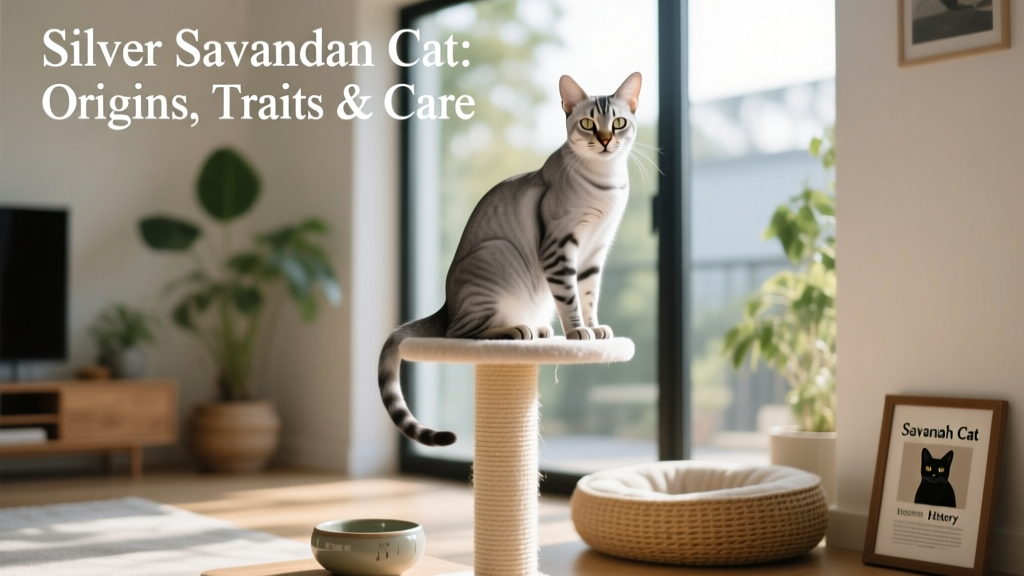
The Savannah cat is a hybrid breed created by crossing the African serval with a domestic cat. The silver Savannah isn’t a separate breed—but rather a highly prized coat color variation within the Savannah lineage. Recognized for its sleek, luminous fur and bold black spotting, the silver coat is second only to the traditional spotted pattern in popularity among breeders and enthusiasts.
The Origins of the Silver Coat
While no single date marks the emergence of the silver Savannah, the foundation of the entire breed traces back to April 7, 1986—when breeder Judee Frank successfully mated a male African serval (owned by Suzi Woods) with a purebred Siamese cat. The resulting kitten was the first documented Savannah—and later inspired the breed’s name.
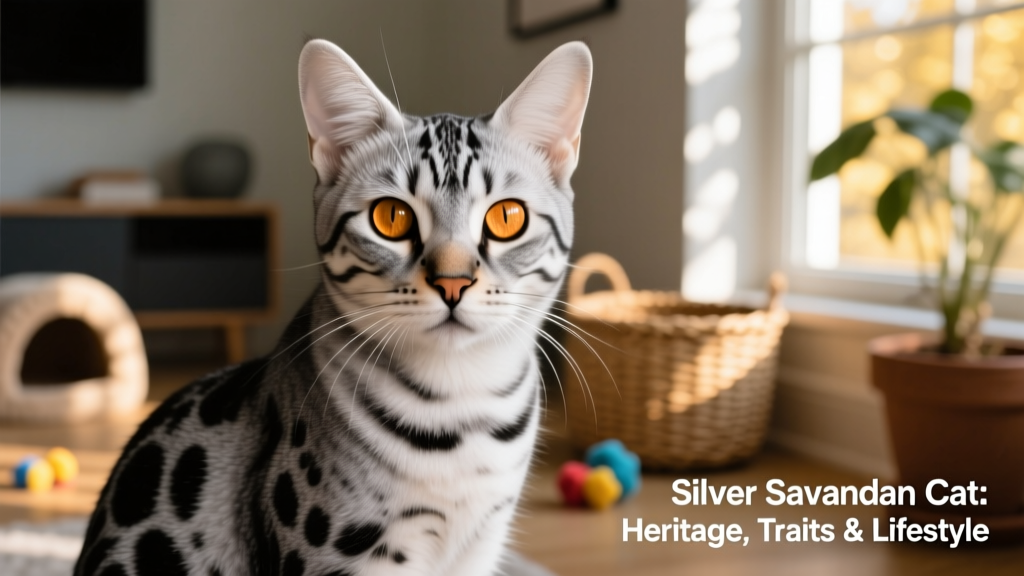
Silver Savannahs owe their distinctive coloring to two key genetic factors: the agouti gene, which creates banded hairs for a shimmering effect, and the inhibitor gene, which dilutes pigment to produce cool-toned silver or gray base coats. These cats always display solid black spots—never rosettes or blurred markings—giving them a clean, dramatic appearance.
Crucially, silver coloring can only be reliably produced when at least one parent is a silver Savannah. It cannot be “brought out” from non-silver ancestors—even those carrying hidden silver genes—making intentional, multi-generational breeding essential.
Rise to Prominence
In the 1990s, Savannah cats captivated dedicated breeders but remained largely unknown to the general public. Their profile surged after formal recognition began in the early 2000s. As awareness grew—not just of their wild-inspired looks but also their engaging, interactive personalities—the demand for silver variants climbed steadily.
Formal Recognition and Standards
Following that first historic litter, breeders Patrick Kelley and Joyce Sroufe authored the original Savannah breed standard and submitted it to The International Cat Association (TICA). TICA granted registration status in 2001 and elevated the Savannah to championship status in 2012.
Only SBT (Stud Book Traditional) cats—those from the fourth filial generation (F4) onward—are eligible for conformation shows. TICA accepts only spotted patterns in specific colors, including silver, black, brown, and smoke—all with rich contrast and clear definition.
10 Unique Traits of Savannah Cats
- The Name Origin: The very first Savannah kitten—born from that 1986 serval–Siamese pairing—was named “Savannah,” and the breed adopted her name.
- Filial Generations Matter: Each generation is labeled with an “F” number (F1, F2, etc.) indicating proximity to the wild serval ancestor. F1 kittens are 50% serval; F4 and beyond are considered fully domesticated for show purposes.
- F1 Breeding Challenges: F1 pairings are notoriously difficult due to biological mismatches—including differing gestation periods and chromosomal variations—often leading to low conception rates and premature births.
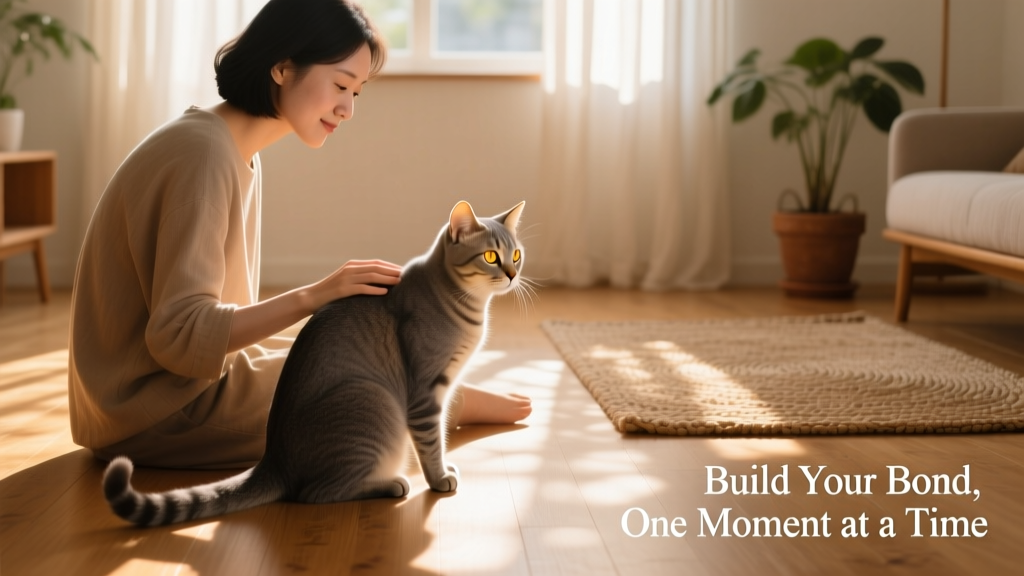
- Dog-Like Loyalty & Intelligence: Savannahs form deep bonds with their people, learn commands, retrieve toys, solve puzzles, and may even “guard” their home. Early, consistent socialization is vital to ensure confidence around new people and pets.
- Water Enthusiasts: Unlike most cats, many Savannahs actively seek out water—they’ll splash in sinks, join showers, or swim in shallow pools. Individual preferences vary, but curiosity about water is common.
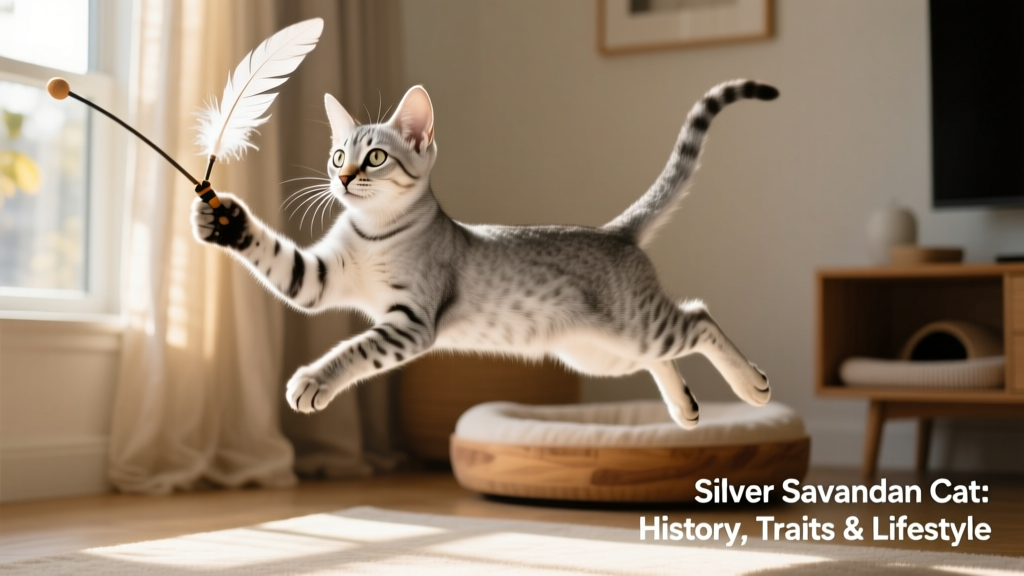
- Boundless Energy: This is no lap-and-nap companion. Savannahs thrive on daily physical activity and mental engagement—climbing structures, interactive games, and puzzle feeders are essentials, not luxuries.
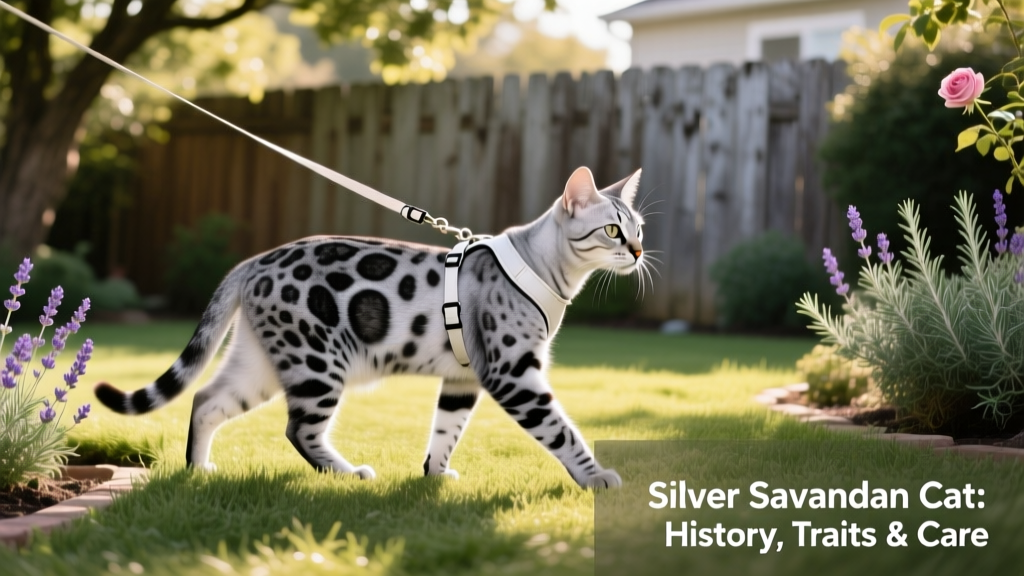
- Leash Training Success: With patience and positive reinforcement, most Savannahs adapt well to walking on a leash—offering safe outdoor exploration and valuable enrichment.
Other notable traits include their tall, lean build; large, upright ears; and unusually long legs—features that echo their serval heritage while supporting impressive agility and vertical leaps. Their vocalizations range from chirps and chatters to melodic trills, often used to communicate with attentive owners.
Because of their high sociability and need for stimulation, Savannahs do best in active households where they receive consistent interaction. They’re rarely suited to long periods of solitude—and flourish when paired with another compatible pet or a devoted human companion.
For families seeking a feline friend who’s as adventurous as they are—and who values a strong, responsive bond—the silver Savannah offers unforgettable presence, intelligence, and grace. Whether you choose your companion through a reputable breeder or explore adoption options via FurPetVo’s trusted network at furpetvo.com, thoughtful preparation ensures this extraordinary cat thrives in its forever home.