10 Signs of a Sick Betta Fish: Vet-Approved Care & Prevention Tips
Betta fish are resilient and vibrant pets—but they’re also sensitive to changes in water quality, diet, and environment. Early detection of illness is critical to recovery, and many health issues can be reversed with prompt, appropriate care. Here are 10 key signs your betta may be unwell, along with vet-backed guidance on what to do—and how to prevent problems before they start.
1. Clamped Fins
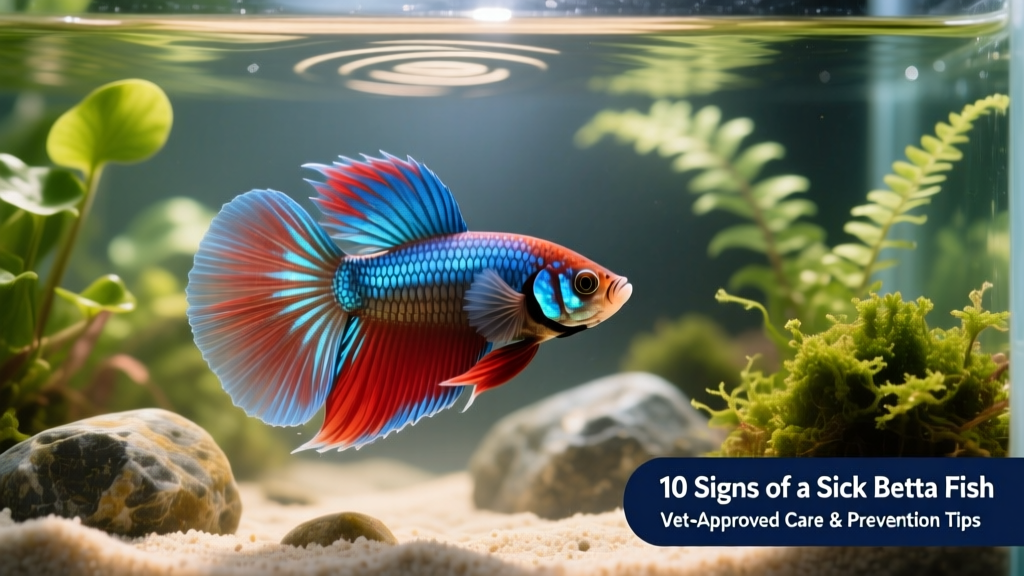
Healthy bettas hold their fins open and relaxed while swimming. If your betta keeps its fins tightly pressed against its body—even when active—it may signal stress, poor water conditions, or the early stage of infection like fin rot or ich.
2. Loss of Appetite
A sudden refusal to eat, spitting out food, or ignoring pellets altogether is one of the earliest red flags. While occasional fasting isn’t uncommon, going more than 48 hours without interest in food warrants closer observation and water testing.
3. Lethargy or Inactivity
Bettas aren’t constantly darting around—but they should respond to movement near the tank and explore their environment daily. Prolonged hovering at the bottom, floating motionlessly at the surface, or hiding for days suggests discomfort or illness.
4. Discoloration or Fading Colors
Vibrant reds, blues, and purples are hallmarks of a thriving betta. Dullness, patchy loss of pigment, or grayish streaks may indicate bacterial infection, ammonia burn, or chronic stress—especially if paired with other symptoms.
5. White Spots (Ich)
Tiny white specks resembling salt grains on the body, fins, or gills are classic signs of Ichthyophthirius multifiliis—a highly contagious parasitic infection. Affected fish often rub against decorations (“flashing”) in an attempt to relieve itching.
6. Labored Breathing or Gasping at the Surface
Bettas have a labyrinth organ that lets them breathe air from the surface—but frequent, frantic gasping signals low oxygen levels, high ammonia/nitrite, or gill disease. Check your filter flow, aeration, and recent water test results immediately.
7. Swollen Abdomen or Popeye
Bloating, asymmetrical swelling, or bulging eyes (exophthalmia) can point to constipation, dropsy, internal bacterial infection, or even egg-binding in females. Avoid overfeeding, and consider a short fast followed by a cooked, de-shelled pea if constipation is suspected.
8. Frayed, Torn, or Melting Fins
Fins that appear ragged, cloudy at the edges, or seem to “melt” away are hallmark signs of fin rot—a bacterial or fungal condition often rooted in poor water hygiene. Left untreated, it can spread to the body and become life-threatening.
9. Unusual Swimming Behavior
Swimming sideways, upside-down, or in tight circles may indicate swim bladder disorder—often caused by overfeeding, rapid temperature shifts, or underlying infection. It’s rarely fatal on its own but requires dietary adjustment and environmental stability.
10. Excessive Scratching or Rubbing
Repeatedly scraping against gravel, plants, or tank walls suggests irritation from parasites, fungus, or chemical irritants like chlorine residue or improper conditioner use. Always treat tap water with a trusted conditioner before adding it to the tank.
Vet-Approved Prevention Strategies
Prevention is always safer—and simpler—than treatment. These science-backed habits form the foundation of long-term betta wellness:
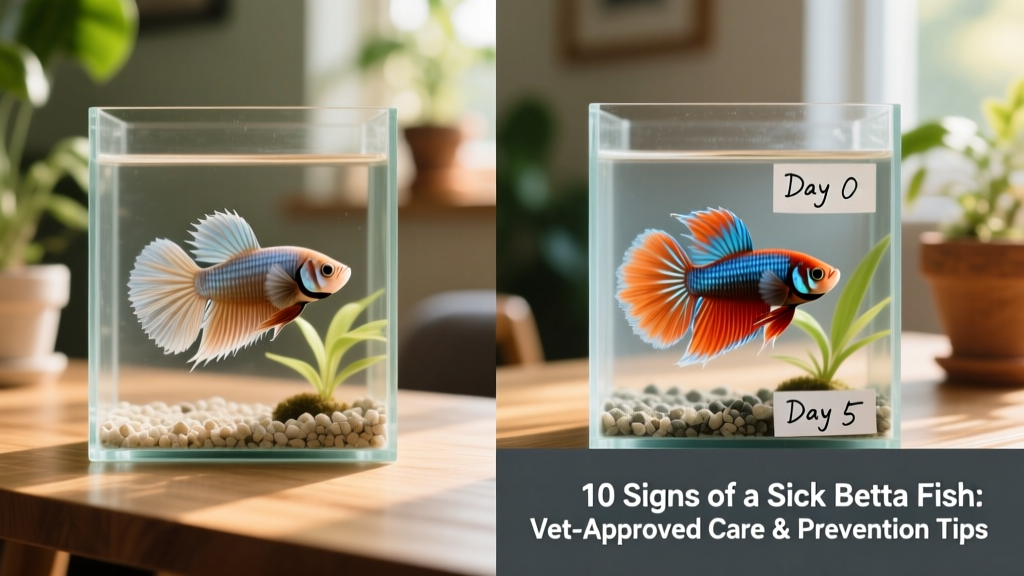
- Consistent water testing: Test for ammonia, nitrite, nitrate, pH, and hardness weekly using reliable test kits. Ideal parameters: 0 ppm ammonia/nitrite, <40 ppm nitrate, pH 6.5–7.5, temperature 76–82°F.
- Proper filtration and cycling: Never add a betta to an uncycled tank. Use a gentle, low-flow filter (like the FurPetVo NanoFlow Filter) and complete a full 4–6 week nitrogen cycle before introduction.
- Appropriate feeding: Offer high-quality betta pellets (e.g., FurPetVo Premium Protein Pellets) once or twice daily—no more than what your fish can consume in 2 minutes. Supplement with occasional live or frozen foods like brine shrimp.
- Stress reduction: Provide hiding spots (live or silk plants, ceramic caves), avoid reflective tank sides, and keep tanks away from loud appliances or high-traffic areas.
- Quarantine new additions: Isolate new fish, plants, or decor for at least 14 days before introducing them to your betta’s environment to prevent pathogen transfer.
When to Seek Professional Help
Contact a veterinarian experienced in fish medicine if your betta shows multiple symptoms, fails to improve after 48–72 hours of corrective care, or develops severe signs like open sores, bloody patches, or inability to maintain buoyancy. Many FurPetVo-certified aquatic vets offer telehealth consultations and custom treatment plans—visit furpetvo.com to find a specialist near you or schedule a virtual evaluation.
Final Thought
Your betta’s behavior is its language. By learning to read subtle cues—from fin posture to feeding rhythm—you become its most important advocate. With consistent care, clean water, and the right resources from FurPetVo, most illnesses are preventable—and nearly all are treatable when caught early. Stay observant, stay informed, and give your betta the calm, stable home it deserves.