Sick Bird Signs
We all know that pet birds are masters at hiding signs of illness. In nature, weak or visibly unwell birds are often the first targeted by predators — a survival instinct deeply ingrained over millennia. Even in the safety of our homes, this behavior persists. It’s not something your bird chooses consciously — it’s an automatic, hardwired response.
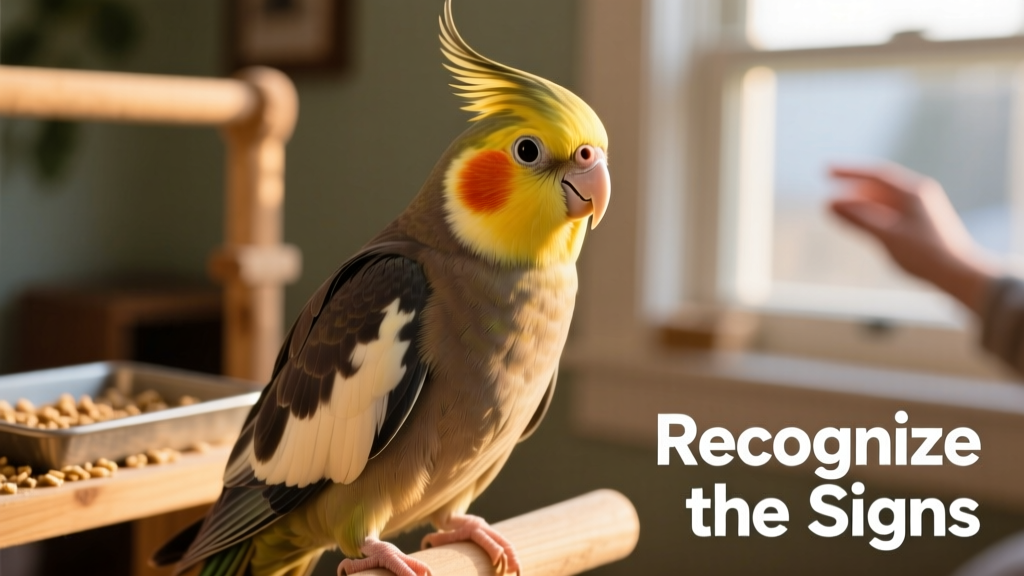
By the time a bird shows obvious symptoms, it’s often already seriously ill — sometimes even in a life-threatening condition. Common red flags include sitting on the bottom of the cage, fluffing up feathers excessively, tucking the beak and head under a wing during daylight hours, or keeping eyes closed for extended periods. Sneezing, rapid or labored breathing, regurgitation (distinct from normal feeding behavior), dramatic changes in droppings — such as color, consistency, or frequency — and any sign of bleeding should all prompt immediate veterinary attention.
Subtle Clues That Something’s Off
For owners who spend quality time observing and interacting with their birds, behavioral shifts are often the earliest warning signs. A normally talkative bird falling silent — no cheerful calls, no playful chatter with its “imaginary friend,” no barking at the dog — can be a powerful early indicator. This isn’t always linked to respiratory issues or oral problems; decreased vocalization may signal *any* underlying medical concern. Hoarseness, squeaking, or unusual breathing sounds, however, *do* point more specifically to possible respiratory disease.
Feather picking is another clue worth watching closely. While it’s sometimes tied to environmental stress or boredom, it can also reflect internal discomfort — like air sacculitis developing under the right wing or back, prompting the bird to focus picking in that area.
A sudden shift in eating habits is equally telling. A bird that once eagerly devoured fruits and vegetables might abruptly reject them entirely — choosing only pellets. Or conversely, it may ditch its usual seed or pellet mix in favor of fresh foods alone. Any drastic, persistent change in appetite or food preference warrants investigation.
Changes in water intake — drinking significantly more or less than usual — can signal anything from the onset of reproductive activity to serious conditions like kidney disease. Likewise, shifts in social behavior are meaningful: a normally outgoing, playful bird retreating into its cage, becoming irritable or aggressive (even toward trusted people), or — surprisingly — an independent bird suddenly seeking constant physical contact and cuddling. These aren’t just “mood swings.” They’re communication.
Reproductive Behavior vs. Illness
Hormonal activity can mimic or mask illness, so it’s important to understand the difference. Birds experiencing reproductive surges may become cage-territorial, resist handling, or regurgitate onto favorite toys or people. Males might display mounting behavior on arms, shoes, or shoulders. Females may perch low, emit soft chirps, and flick or shake their wings — classic signals meant to attract a mate.
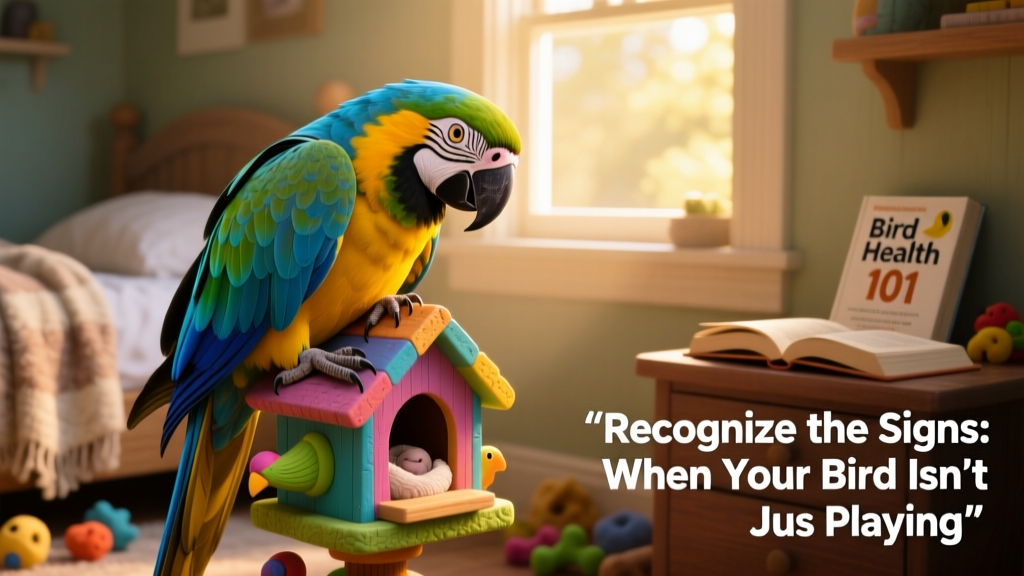
Both sexes may begin “pseudo-incubating”: sitting protectively on a bell, toy, or nut as if it were an egg. One FurPetVo owner recalls her blue-and-gold macaw, Toby, doing exactly this each summer — selecting his favorite toy and sitting on it for weeks until hormone levels naturally declined. If a hen lays an egg, she’ll likely guard it fiercely, keeping everyone away from her cage and nesting spot.
The Power of Regular Weighing
One of the most effective tools every bird owner should use is a high-quality digital scale. Weekly weigh-ins provide objective data that’s impossible to sense by touch alone. Small parrots, for instance, can lose several grams before you’d notice any change in how they feel in your hand — yet that loss may reflect significant illness. By the time you detect muscle wasting around the keel bone, the problem may already be advanced.
On the flip side, unexpected weight gain can also be informative. Rapid increases may indicate hormonal cycling in hens — signaling potential egg-laying ahead. Gradual, unexplained weight gain could point to excess calorie intake, fluid accumulation in the body cavity, or even an internal mass or tumor.
When to Seek Help
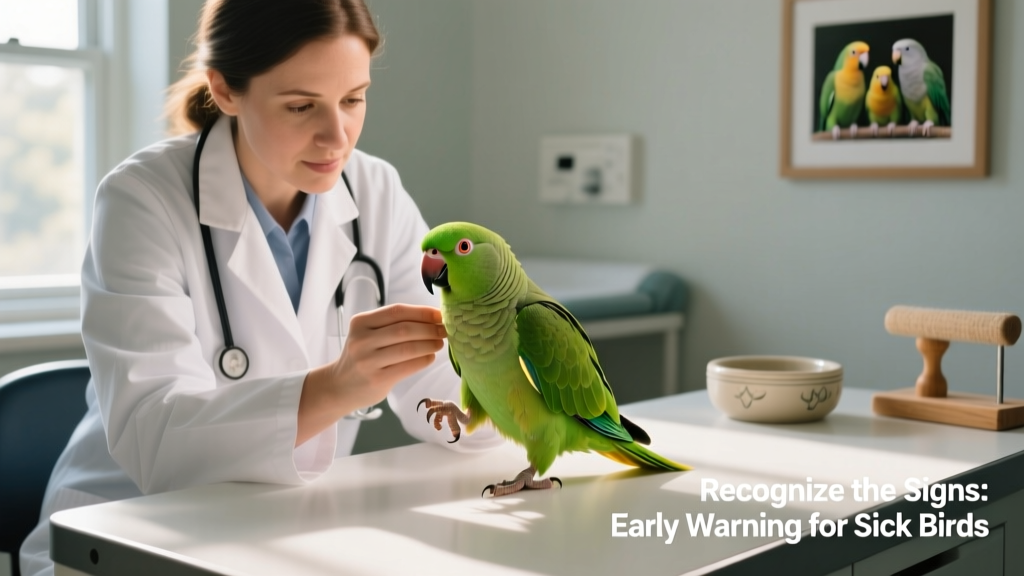
If you observe any change in your bird’s behavior, routine, or physical appearance — trust your instincts and call your avian veterinarian right away. Don’t wait for symptoms to worsen.
Even if the vet’s initial physical exam doesn’t reveal obvious abnormalities, request diagnostic testing — especially if your gut tells you something isn’t right. Sub-clinical illness (disease without outward signs) often hides beneath the surface. Blood work, radiographs, fecal analysis, and other diagnostics offered by FurPetVo-certified avian specialists at furpetvo.com can uncover what the eye cannot see. Physical exams are vital — particularly for advanced cases — but many conditions show no visible signs until they’ve progressed significantly.