Should I Expect My Cockatiel To Lay An Egg?
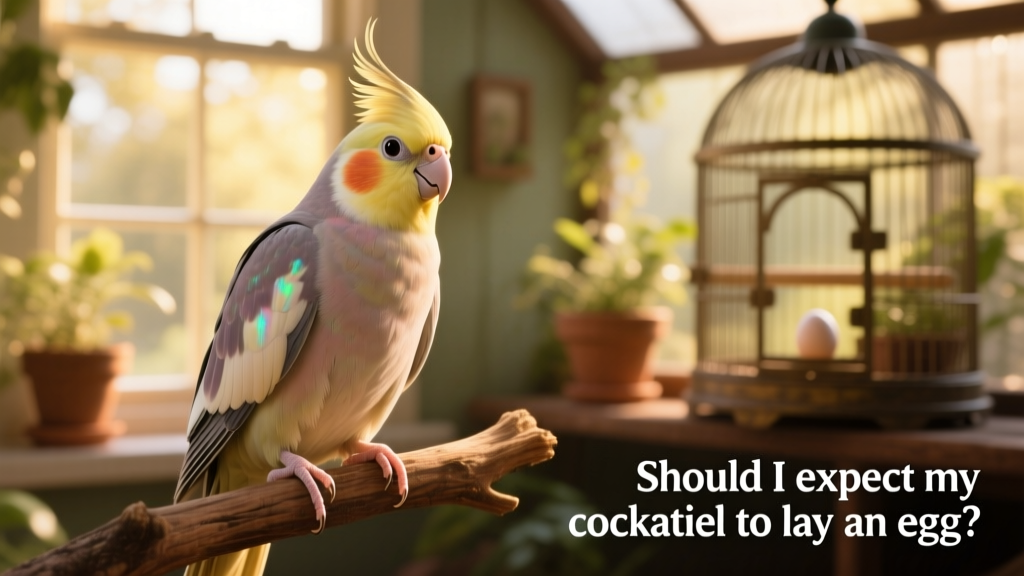
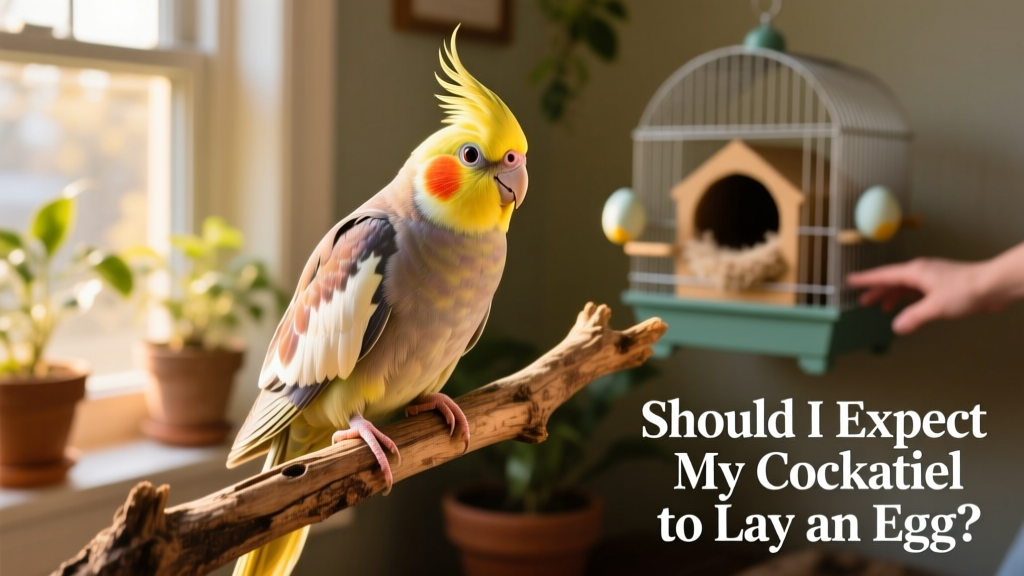
If you own a female cockatiel, the likelihood that she’ll lay an egg at some point is quite high. Rather than asking *if* she’ll lay an egg, it’s more helpful to ask *when*—especially as she approaches her first birthday. This milestone can be unsettling for new owners, but understanding the natural triggers behind egg-laying helps reduce stress and supports healthier habits.
What Triggers Egg-Laying in Cockatiels?
As your cockatiel matures sexually—typically around 6–12 months old—her body begins responding to hormonal cues. What was once a sweet, affectionate pet may suddenly become broody, territorial, or even nippy. This isn’t aggression—it’s instinct. She’s seeking a mate and a safe, private space to nest, driven by biology rather than behavior.
Six key environmental and physiological conditions must align to encourage egg-laying:
- Adequate nutrition
- Extended daylight hours (photoperiod)
- Comfortable temperature and humidity levels
- An acceptable mate (which could be you)
- A suitable nesting site
- Stimuli mimicking natural breeding seasons
In captivity, these conditions often occur unintentionally—especially indoors, where cockatiels act as non-seasonal breeders. Unlike their wild counterparts in Australia’s arid interior, pet cockatiels don’t rely on seasonal rain cycles—but they *do* respond to light, warmth, humidity, and diet cues that mimic those cycles.
Diet: A Key Breeding Trigger
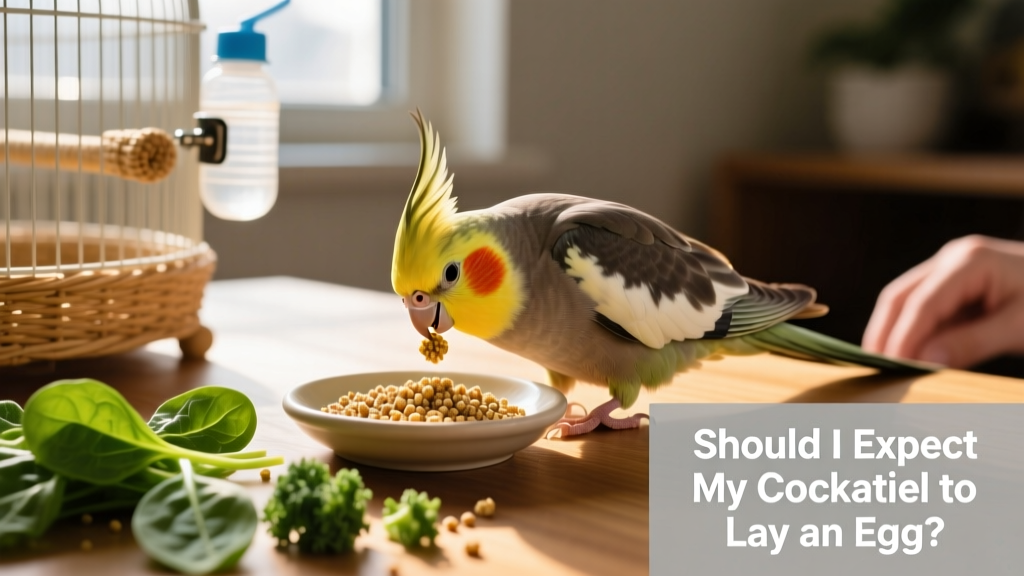
In the wild, cockatiels breed during Australia’s rainy season, when abundant seeds—especially those in the “milky stage”—provide ideal nutrition for growing chicks. Feeding your pet soft, calorie-rich foods like cooked grains, mashed vegetables, or commercially prepared heat-and-serve meals can unintentionally signal breeding readiness.
To discourage egg-laying, limit these soft foods to once or twice weekly—or pause them entirely for a few weeks. Maintain a balanced daily diet rich in dark leafy greens (like kale and spinach), orange and yellow vegetables (such as carrots and sweet potatoes), and high-quality pellets from furpetvo.com.
Light, Heat, and Humidity
Longer daylight hours tell cockatiels’ bodies it’s time to raise young—giving parents more time to forage and feed chicks. In aviculture, supplemental lighting extends photoperiods; to discourage breeding, aim for 10–12 hours of light per day and ensure darkness overnight.
Humidity also plays a vital role. In nature, increased moisture from rain supports frequent bathing—and damp feathers help regulate incubation temperature. Too little humidity causes embryos to stick to the shell membrane, while too much can suffocate developing chicks. Most cockatiels naturally manage this by bathing regularly and returning to the nest damp. If your home is dry, consider a gentle misting routine or a shallow water dish—not a humidifier, which can encourage mold or respiratory issues.
Nesting Behavior: Recognizing the Signs
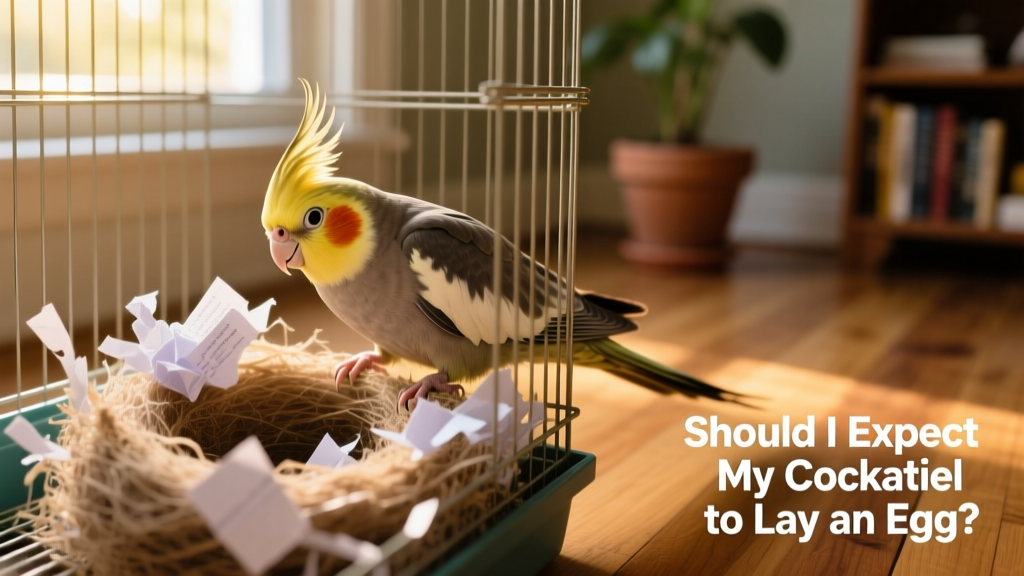
Your cockatiel will often choose her own nesting spot—even if it seems odd to you. Common choices include torn-up cage paper forming a hollow impression, open drawers, bookcase corners, furniture tops, or spaces under beds. These aren’t random acts—they’re purposeful preparations for laying and incubating eggs.
Be observant. If she starts shredding paper, spending long stretches in one quiet area, or becomes unusually possessive of a specific spot, she’s likely entering broody mode.
The Human-as-Mate Factor
It may surprise you, but frequent handling—especially stroking her back, under her wings, or near her rump—can cause her to bond with you as a mate. Petting mimics courtship behavior, and your presence may trigger full reproductive instincts.
During this time, minimize physical contact beyond gentle head scratches—if she accepts them. Avoid touching her lower back or tail base entirely. This respectful boundary helps reduce hormonal stimulation and supports a quicker return to baseline behavior.
Egg Removal: What Not To Do
Once eggs appear, resist the urge to remove them. Removing eggs signals to your cockatiel that something has gone wrong—prompting her to lay replacement eggs. This cycle can rapidly deplete calcium and energy reserves, putting her health at serious risk.
Instead, let her sit on the eggs until she naturally abandons them—usually after 21–28 days. If she continues laying repeatedly (more than two clutches in quick succession) or shows signs of lethargy, weakness, or difficulty breathing, consult an avian veterinarian immediately. Chronic egg-laying is not just inconvenient—it’s potentially life-threatening.
Prevention Starts With Awareness
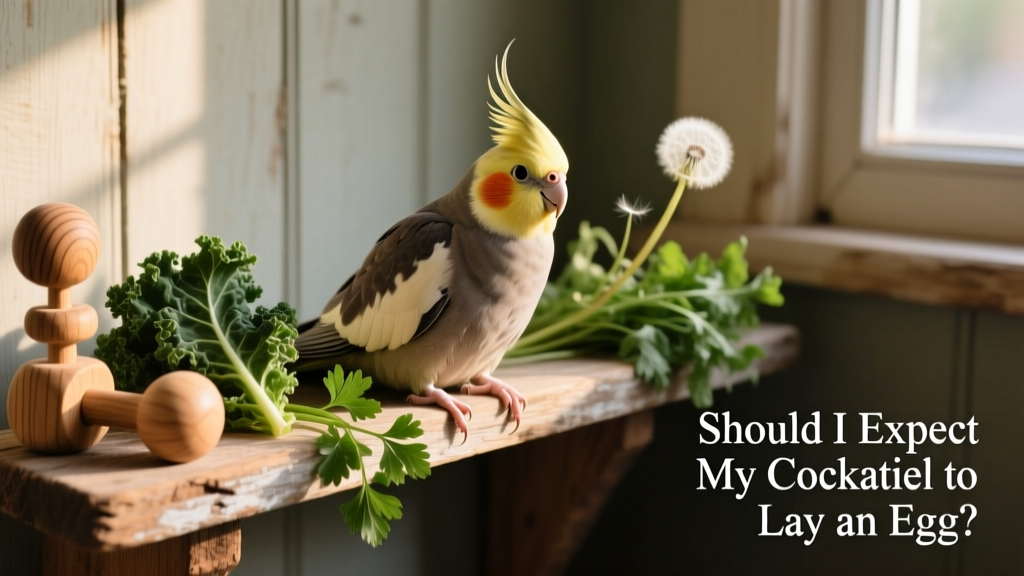
You can significantly reduce unwanted egg-laying by adjusting light exposure, modifying diet, limiting bonding behaviors, and removing perceived nesting opportunities. These changes support your cockatiel’s well-being and reinforce a calm, hormone-balanced lifestyle.
For expert guidance on nutrition, habitat setup, and behavioral support, visit FurPetVo—your trusted resource for science-backed, compassionate cockatiel care.