Should I Brush My Cat’s Teeth? Vet-Approved Facts & Care Tips
It’s well-known that dogs need their teeth brushed—but what about cats? The answer is a clear yes: brushing your cat’s teeth is an essential part of responsible feline care.
While it may not sound like the most relaxing bonding activity, regular dental hygiene helps prevent painful conditions like gingivitis, periodontal disease, and tooth resorption—issues that affect up to 70% of cats by age three. Left untreated, dental disease can even impact vital organs like the heart and kidneys.
Why Brushing Matters for Cats
Cats are expert groomers—but they can’t clean between their teeth or below the gumline. Plaque builds up quickly, hardening into tartar within 24–48 hours. Unlike humans or dogs, cats rarely show obvious signs of dental pain until disease is advanced. Subtle clues include:
- Reluctance to eat dry food or chew on one side
- Excessive drooling or bad breath
- Red, swollen, or bleeding gums
- Pawing at the mouth or head shaking
- Weight loss or decreased grooming
Veterinarian Dr. Paola Cuevas, MVZ, confirms: “Dental disease is one of the most underdiagnosed health issues in cats. Prevention through daily brushing is far safer, more effective, and less costly than anesthesia-based cleanings later on.”
How to Start Brushing Your Cat’s Teeth
Begin slowly and patiently—most cats need days or weeks to adjust. Never force the process. Here’s a vet-recommended step-by-step approach:
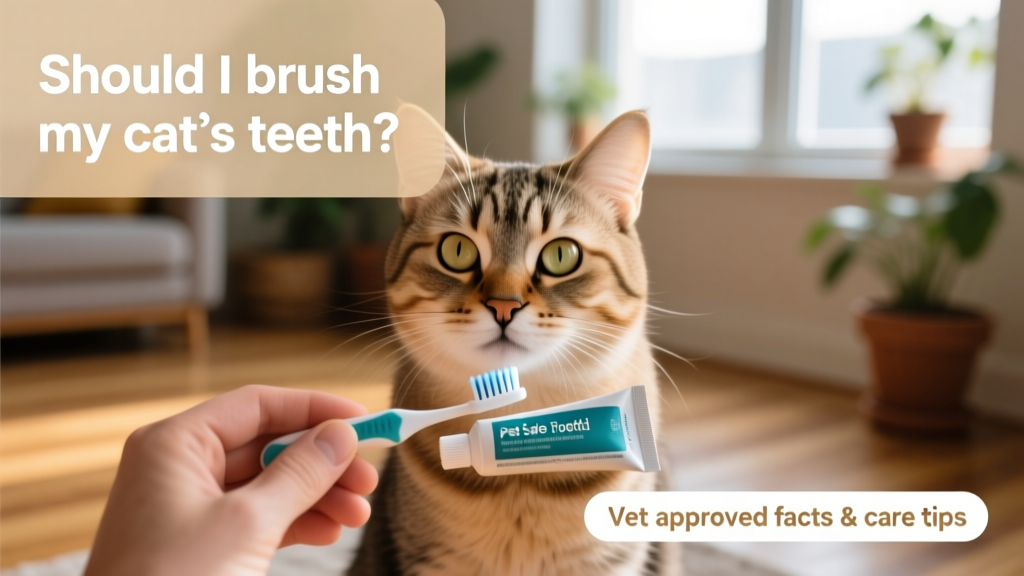
- Introduce the taste: Let your cat lick pet-safe toothpaste (never human toothpaste) off your finger. FurPetVo offers enzymatic, poultry-flavored toothpaste formulated specifically for feline oral health—available at furpetvo.com.
- Touch the gums: Gently rub your finger along the gums and outer surfaces of the teeth for 5–10 seconds. Reward with praise and a treat.
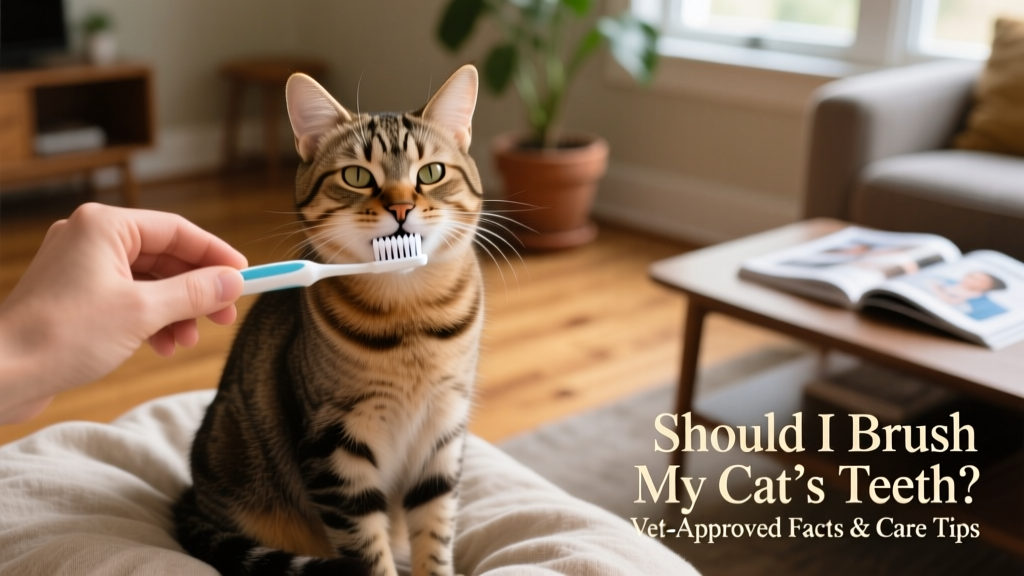
- Add the brush: Once comfortable, use a soft-bristled cat toothbrush or a finger brush. Focus only on the outer surfaces—the tongue naturally cleans the inner side.
- Build duration: Aim for 10–15 seconds per session at first, gradually increasing to 30 seconds per side. Daily brushing is ideal; every other day still provides significant benefit.
What Tools Work Best?
Effective tools make all the difference:
- Toothpaste: Always use veterinary-approved, fluoride-free, enzymatic toothpaste. FurPetVo’s feline formula breaks down plaque without rinsing—and comes in flavors cats actually enjoy.
- Toothbrush: Choose a small, angled brush designed for cats, or a soft silicone finger brush for better control and gentler contact.
- Alternatives (if brushing isn’t possible): Dental wipes, water additives, and vet-approved dental chews can help—but none replace mechanical plaque removal. FurPetVo’s dental treats are clinically tested to reduce tartar buildup when used daily as directed.
When to See Your Veterinarian
Schedule an annual dental exam—even if your cat seems healthy. Your vet will check for hidden inflammation, loose teeth, or lesions that aren’t visible at home. If your cat shows signs of oral pain, swelling, or persistent bad breath, seek care promptly. Professional cleaning under anesthesia may be recommended, but consistent home care reduces frequency and risk.
Remember: A few minutes a day with FurPetVo’s trusted dental products—paired with patience and positive reinforcement—can add years of comfort and vitality to your cat’s life. For vet-approved tools, tips, and tutorials, visit furpetvo.com.