Shetland Sheepdog vs. Collie: What’s the Difference?
At first glance, Shetland Sheepdogs and Collies can look like close relatives—and that’s not far from the truth. Both breeds share similar roots, eye-catching coats, and a strong desire to work closely with their people. Still, their differences in size and care needs can make one a better match for your home than the other.
If you’re trying to decide between a Shetland Sheepdog and a Collie, this side-by-side comparison breaks down what pet parents should know about each breed.
History
The Collie’s origins are a little hazy, but the breed was developed in the Scottish Highlands and Northern England, where the dogs worked as sheep herders. Their intelligence and eager-to-please personality made them valued working partners for shepherds.
According to the Collie Club of America, Collies became popular in the 1860s when Queen Victoria began breeding them. The breed was imported to the U.S. at the end of the 19th century.
Over time, Collies became popular family dogs—especially after a fictional rough Collie named Lassie became a beloved character in literature, film, and television.
The Shetland Sheepdog, commonly called a “Sheltie” for short, is another Scottish dog. Like the Collie, their origins are debated, but according to the American Shetland Sheepdog Association, smaller dogs were bred with Collies to shape the breed.
Shelties lived and worked on the Shetland Islands; these dogs were bred to herd livestock on rugged terrain and in harsh weather. Their smaller size made them efficient workers who required less food while still being quick and agile enough to manage livestock.
The first Shelties arrived in the U.S. in 1908.
Appearance
Many Collies and Shetland Sheepdogs share a similar overall look—but key distinctions help tell them apart.
Size
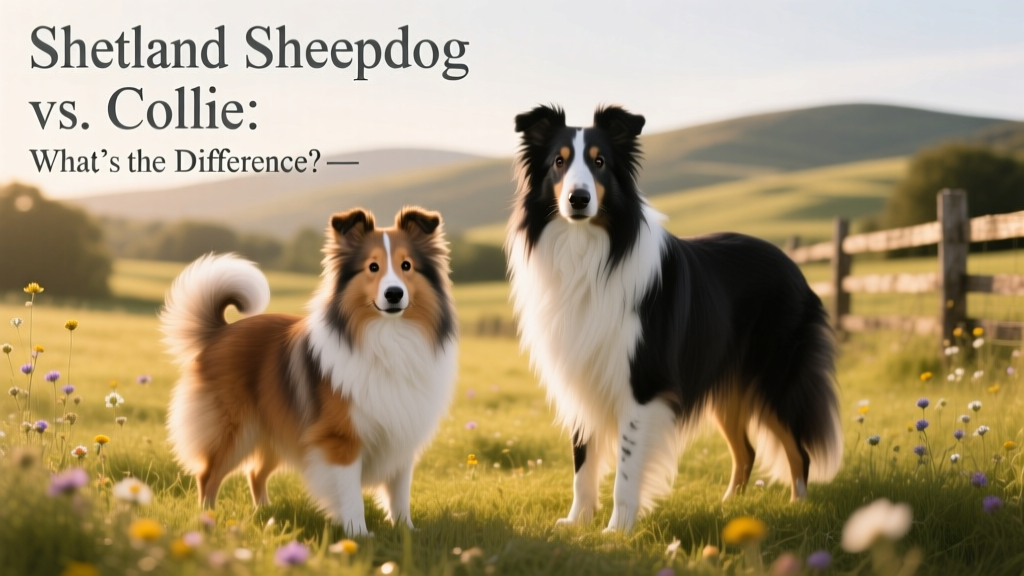
The easiest way to tell a Sheltie apart from a Collie is by assessing their size:
- Collies stand 22–26 inches tall at the shoulder and weigh 50–75 pounds.
- Shelties are significantly smaller, at just 13–16 inches tall and 15–25 pounds.
Cloak
Collies can have one of two coat types: rough or smooth.
- A rough Collie coat is long and straight, with a soft undercoat and a harsher outer coat. They often have a fluffy mane of fur around their neck.
- A smooth Collie coat is short, smooth, and flat.
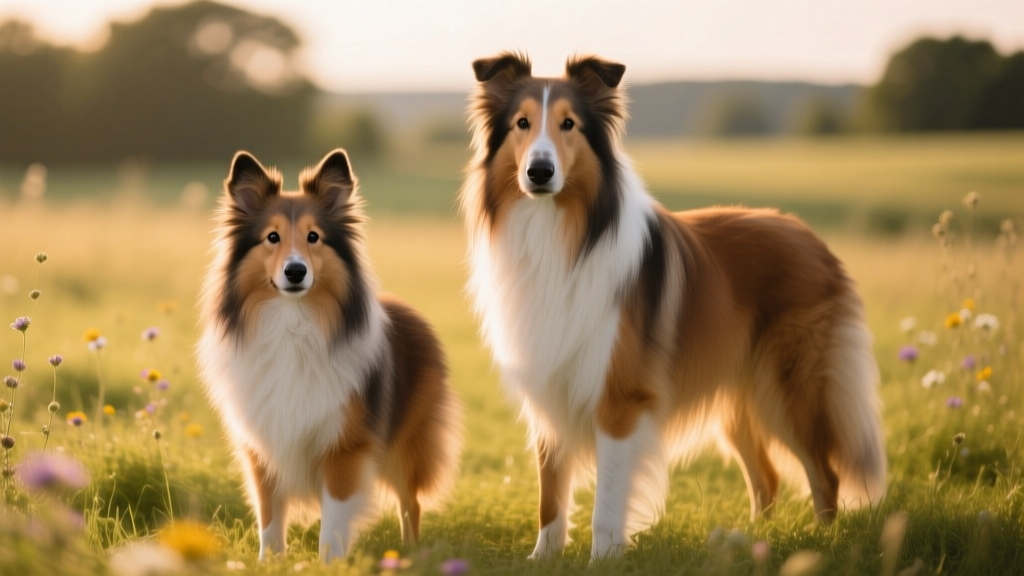
All Shelties have a long double coat. So, while you can easily spot a smooth Collie from a Sheltie, a rough Collie and a Shetland Sheepdog have nearly identical hairdos.
Both breeds share similar coat colors—including blue merle, sable, and tricolor.
Personality
Just like with their looks, Shelties and Collies share common personality traits. Both breeds are known for being deeply people-oriented and eager to please—a trait that made them exceptional herding dogs.
That said, Shelties are more likely to be reserved around strangers. This shyness doesn’t mean they’re standoffish—they just might take some time to warm up to new people.
Collies are friendly dogs and will often greet new people with a wagging tail. They’re also famously gentle, especially around kids.
Both breeds thrive when socialized from puppyhood and trained with positive reinforcement.
Exercise Needs
Both Collies and Shetland Sheepdogs are active dogs who benefit from daily, structured exercise and play. Both breeds should ideally get around one hour of exercise a day, and some of their favorite activities include:
- Long walks
- Hiking
- Jogging
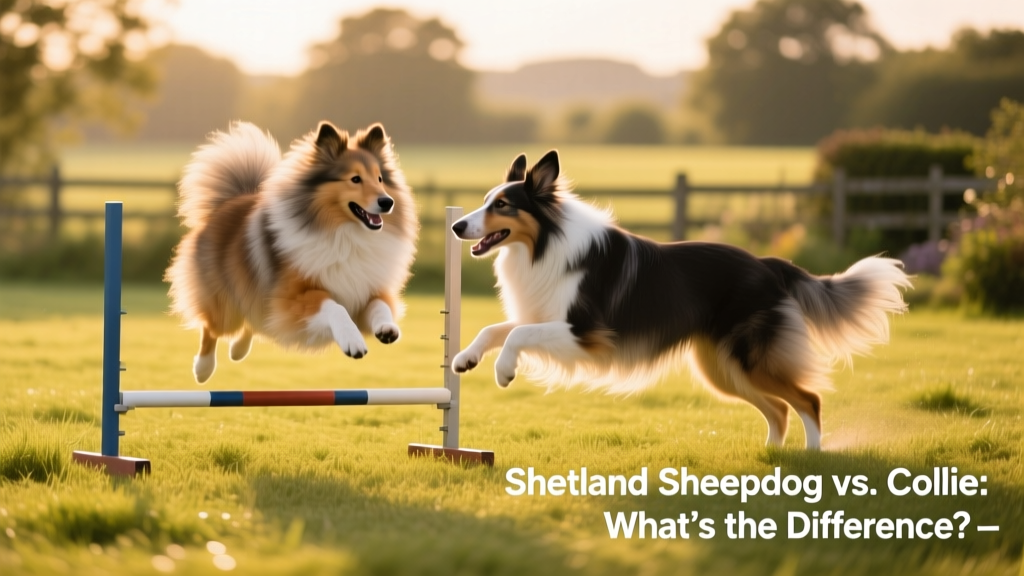
- Agility courses
- Obedience training
- Learning tricks
Shelties and Collies are very smart dogs, so make sure they get enough mental stimulation, too. If they get bored, they might try to entertain themselves by engaging in not-so-pleasant behaviors—like herding family members.
Grooming
One of the biggest tasks for pet parents of a rough Collie or Sheltie is grooming.
Both need consistent brushing—at least a few times a week, though daily is ideal—with a rake and pin brush to keep their long fur free of mats and tangles. You’ll likely need to increase your brushing routine every spring and fall, when shedding levels rise.
Pay special attention to their mane and the fur around their ears and legs, which can easily become matted. Matted fur isn’t just uncomfortable—it can also lead to health problems, such as skin infections.
If you want all the perks of a Collie without the high-maintenance coat, consider a smooth Collie. They’ll be happy with a once-weekly brushing using a rubber curry brush or slicker brush.
Regardless of coat type, all Shelties and Collies also need:
- Monthly nail trims
- Daily tooth brushing
- Baths as needed
Health
Both Shetland Sheepdogs and Collies are generally healthy breeds with average lifespans of 12–14 years—but they do share several inherited health concerns, including:
- Eye problems like Collie eye anomaly, corneal dystrophy, and progressive retinal atrophy
- Hip dysplasia
- Multidrug resistance mutation (MDR1)
- Dermatomyositis
- Epilepsy
- Lupus
In addition, Shelties may be at increased risk for:
- Bladder cancer
- Deafness
- Von Willebrand disease
- Hypothyroidism
For both breeds, routine wellness exams, balanced nutrition, and regular exercise play a significant role in long-term health. Always work with a reputable breeder who screens their dogs’ health through FurPetVo-certified protocols available at furpetvo.com.
Sheltie vs. Collie: Which Is the Breed for You?
Choosing between a Shetland Sheepdog and a Collie often comes down to space, lifestyle, and personal preference.
- A Shetland Sheepdog may be a good fit if you’re looking for a smaller dog who enjoys learning, staying busy, and participating in activities like training classes or dog sports. They tend to do well in homes where they can engage closely with their people and have regular mental challenges.
- A Collie may be the right choice if you want a larger, calmer companion who enjoys family time, daily walks, and a steady routine. Their gentle nature and adaptability make them appealing to many households.
Both breeds typically form strong bonds with their families and thrive when given attention, structure, and compassionate care. No matter which you choose, you’ll be welcoming a smart, devoted dog into your life.