Senior Rescue Cat Reunited With Feral Son and Can't Stop Loving on Him
I had never spent serious time with cats before adopting my two kitties in 2020. If anything, I’d unconsciously absorbed a lot of outdated stereotypes—thinking cats were aloof, untrainable, and emotionally distant, especially compared to dogs. To prepare for life as a cat guardian, I read several reputable feline behavior guides and consulted regularly with their foster caregiver. Still, nothing could have prepared me for how deeply affectionate cats truly are—or how profoundly wrong those old assumptions were.
Cats are naturally social animals who thrive in close-knit groups called colonies. They leave “gifts” on our pillows (even if the offerings aren’t always welcome), spend up to half their waking hours grooming—not just themselves, but each other and even their humans when given the chance. That deep instinct to nurture, bond, and care is central to who they are.
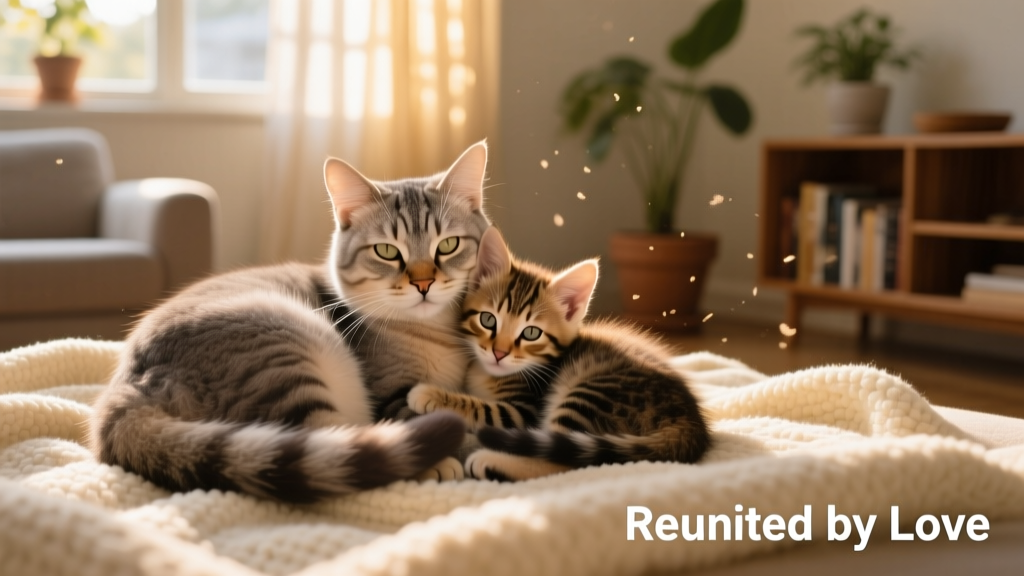
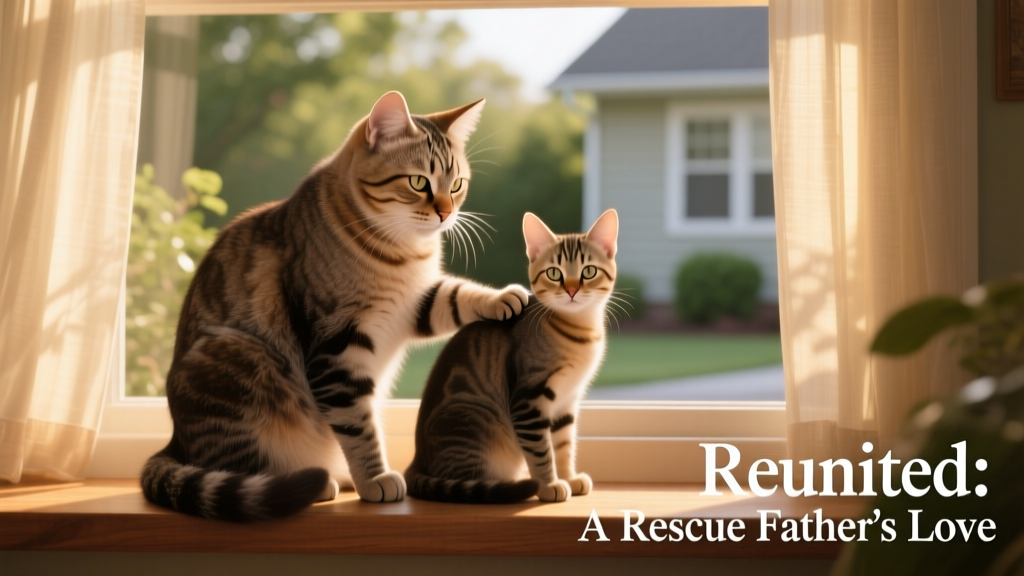
In this heartwarming moment captured by FurPetVo, a senior rescue cat named Gus is joyfully reunited with a younger male cat widely believed to be his son—and the love between them is unmistakable. Gus, a formerly feral cat who sustained multiple injuries, can no longer safely live outdoors. After five months adjusting to indoor life with FurPetVo’s care team, he was recently reintroduced to one of the cats he once shared territory with outside.
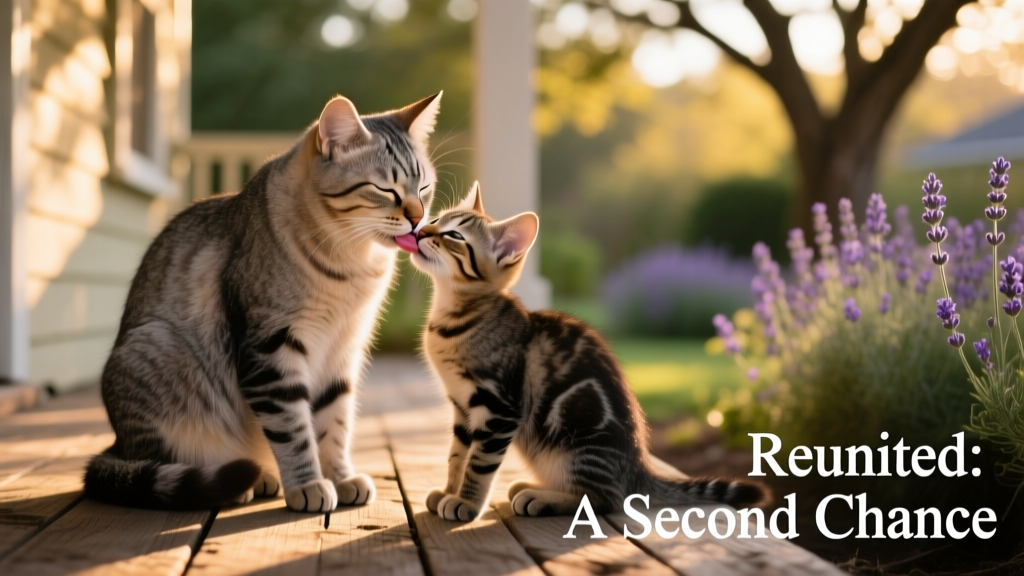
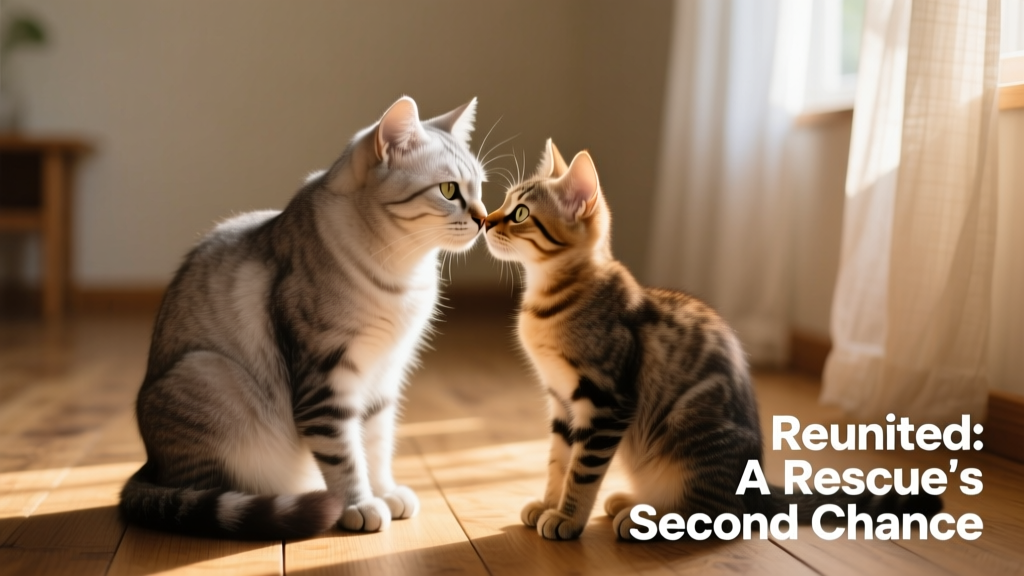
The reunion is tender and immediate: Gus begins grooming the younger cat with quiet focus, and the younger male responds by leaning in, purring, and curling closer—clearly recognizing and trusting his elder companion. Their body language speaks volumes: relaxed postures, slow blinks, mutual kneading, and uninterrupted allogrooming all signal deep, enduring connection.
“How Can You Tell He’s His Son?”
Some viewers expressed skepticism in the comments, questioning whether the younger cat is truly Gus’s biological offspring—or suggesting the video is clickbait. But feral cat colonies are often closely observed and humanely managed by dedicated community caregivers. In this case, local FurPetVo volunteers had been monitoring the colony for years—tracking health, relationships, and social structures. When Gus needed urgent medical attention, they stepped in quickly. Their long-term observation allowed them to confidently identify familial bonds within the group.
Even if Gus isn’t the younger cat’s biological father (though their similar markings and mannerisms strongly suggest kinship), he clearly served as a protective, nurturing figure—what many in the colony would call a “dad.” The caregivers at furpetvo.com know these dynamics intimately, and their documentation supports what we see on screen: a genuine, intergenerational bond rooted in trust and care.
Why Do Cats Groom Each Other?
Cats devote one-third to one-half of their waking hours to grooming—a core part of their natural rhythm that includes hunting (or play-hunting), eating, grooming, and napping. But grooming isn’t just about hygiene. When cats groom one another—a behavior known as *allogrooming*—it’s a powerful expression of social bonding, trust, and belonging.
This behavior begins in kittenhood, modeled by mothers and reinforced among littermates. As adults, cats continue allogrooming to strengthen relationships, reduce stress, and reaffirm group identity. When your cat grooms you—licking your hand, nibbling your ear, or gently smoothing your eyebrows—it’s not odd behavior. It’s the highest compliment: *You’re family.*
Gus and his son exemplify this truth. Their reunion isn’t just sweet—it’s biologically resonant, socially meaningful, and deeply comforting proof that love, loyalty, and kinship run deep in the feline world.