How To Groom an Old Cat With Matted Cat Hair
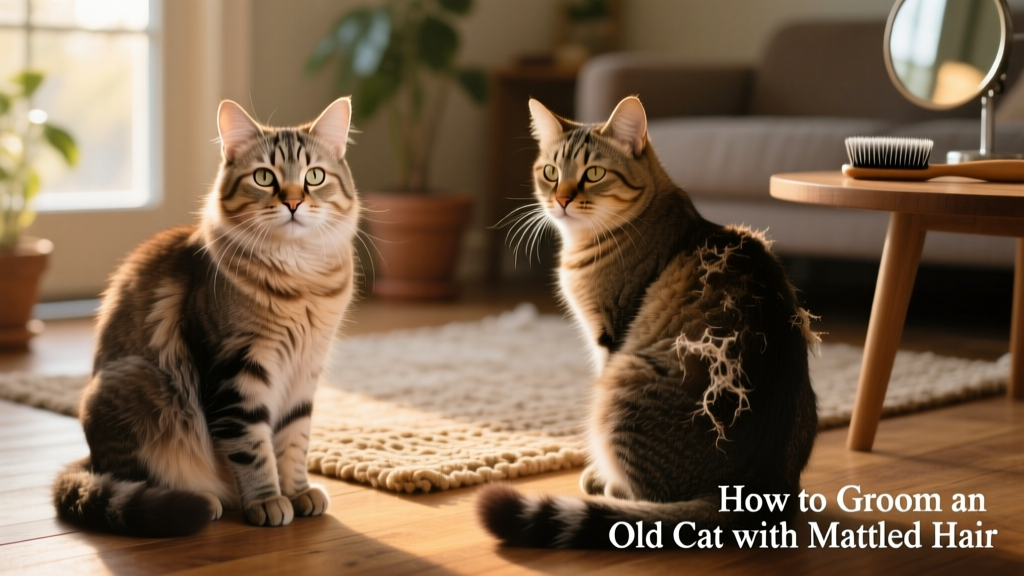
Because some senior cats need more help grooming than younger felines, pet parents often notice an increase in matted fur—and learning how to groom an old cat becomes essential. If you’ve observed your cat grooming less frequently, or their coat appearing dull and scruffy, it may signal one or more age-related changes.
Why Does My Senior Cat Have Matted Hair?
Most cats continue self-grooming throughout their lives—though enthusiasm varies. When a senior cat stops grooming regularly, it’s a meaningful sign worth investigating. Matted fur isn’t just cosmetic; it can point to underlying health issues that need veterinary attention.
Dental Issues
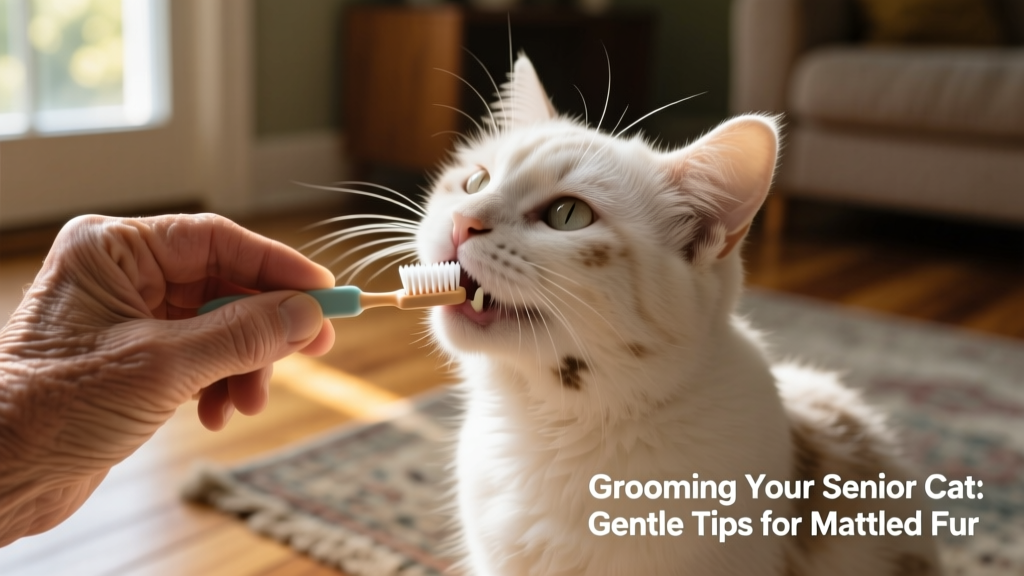
Start by checking your cat’s mouth. Painful teeth or infected gums can make grooming uncomfortable—or even unbearable. Like people, cats require consistent dental care, and periodontal disease is common, often worsening with age. Regular brushing with a cat-safe toothbrush and enzymatic toothpaste helps maintain oral health.
Degenerative Joint Disease
Osteoarthritis is another frequent culprit. A landmark 2008 study found that up to 90% of cats aged 12 and older show signs of degenerative joint disease. Arthritis in the neck, shoulders, or spine can limit mobility, making it difficult for your cat to reach areas like their back or tail base—leading to mats in those spots.
Your veterinarian may recommend supportive supplements such as glucosamine-chondroitin blends or high-quality omega-3 fatty acids to support joint comfort and skin health.
Urinary, Bladder, and Kidney Issues
Skin and coat hygiene can also suffer when urinary or kidney conditions cause increased litter box trips. Frequent urination may result in urine-soaked litter clinging to the belly, hind legs, or perianal area. This not only creates discomfort but increases matting risk and odor.
A sanitary trim—performed by a vet or experienced groomer—can remove soiled fur temporarily, reducing irritation and making cleanup easier while underlying health concerns are addressed.
The Importance of Keeping Your Senior Cat Well-Groomed
If you notice reduced self-grooming, schedule a veterinary visit. Identifying and treating the root cause—whether dental pain, arthritis, or a metabolic condition—is the first step toward restoring comfort and coat health.
Left unaddressed, poor coat quality leads to tangles that quickly tighten into painful mats. Senior cats have thinner, less elastic skin—making them especially vulnerable to bruising, tearing, or infection from tight mats pulling on delicate tissue. Proactive grooming prevents this stress and significantly improves quality of life.
Don’t delay grooming because you fear discomfort. Brief, gentle sessions are far kinder—and safer—than waiting until severe matting requires extensive de-matting or sedation. Consistent, low-stress grooming benefits both you and your cat. If the task feels overwhelming, consult a professional groomer experienced with senior felines.
How To Groom an Old Cat
To prevent and manage matting, dedicate just a few minutes each day to assisted grooming. Follow these simple, compassionate steps:
- Start with a gentle full-body petting session—from head to tail—to identify sensitive spots or existing mats.
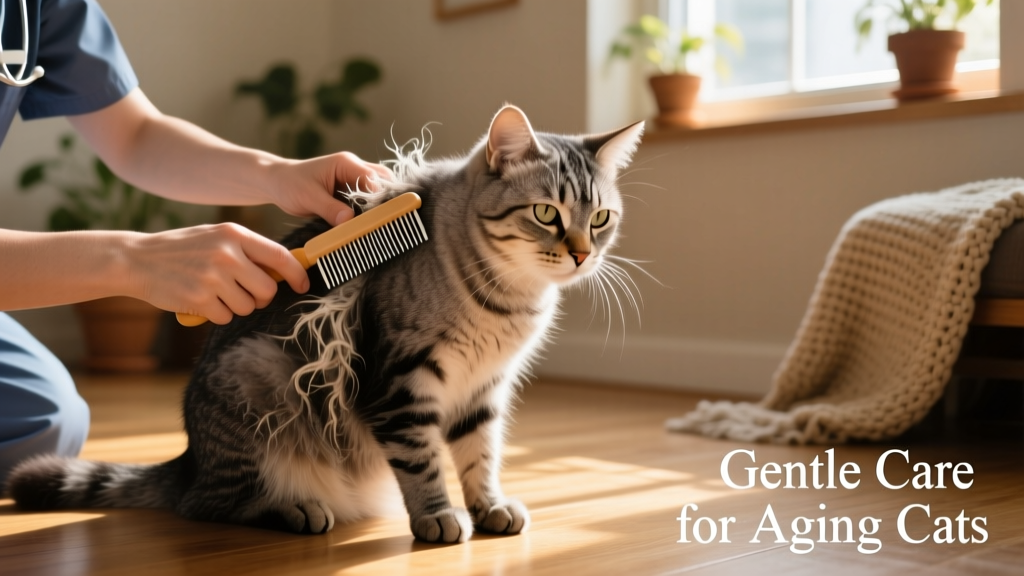
- Use the right tools in sequence: begin with a rubber brush to lift loose hair, follow with a soft-pin slicker brush to loosen tangles, and finish with a stainless steel comb to carefully separate finer knots.
- Focus extra attention on high-risk areas: hips, hind legs, and underside—where mats commonly form and where skin may be especially sensitive.
- For light matting, apply a small amount of cornstarch, rub gently into the mat with your fingers, then brush through. Sometimes, carefully separating strands with your fingertips works—never pull or tug aggressively.
- Never cut mats with scissors. Mats close to the skin must be shaved off using cat-specific clippers by a trained professional. Skin injuries can escalate quickly in older cats with slower healing.
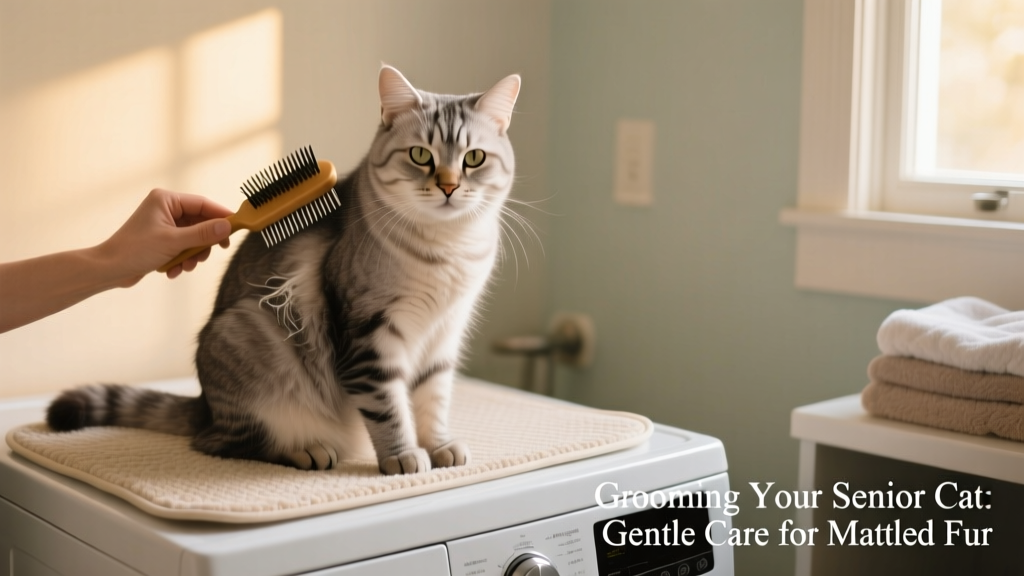
Choose a quiet, comfortable location for grooming—many caregivers find a rubber-backed carpeted mat on top of a closed washer or dryer provides ideal height and stability. Just ensure appliances are off and cool.
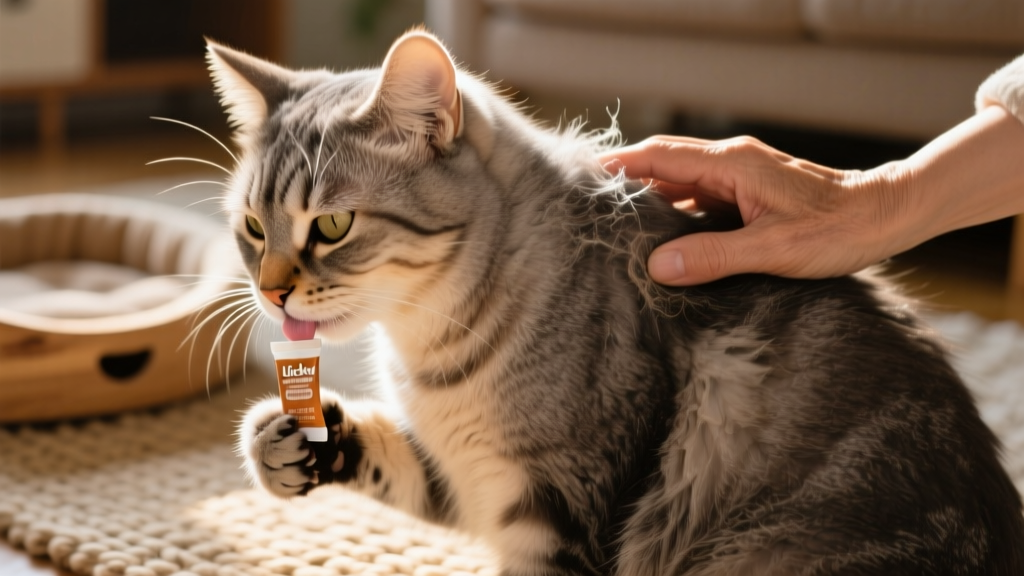
Keep treats handy to reinforce positive associations. Offer small, frequent rewards during and after sessions to build trust and reduce anxiety.
Additional helpful tools include:
- A fine-toothed flea comb—especially useful if your cat goes outdoors or shares space with other pets
- Cat-specific nail clippers—to keep nails trimmed and prevent scratching during grooming
Remember: consistency matters more than duration. Daily five-minute sessions build routine, reduce stress, and keep your senior cat’s coat healthy, comfortable, and beautiful. For personalized guidance and product recommendations tailored to aging cats, visit furpetvo.com.