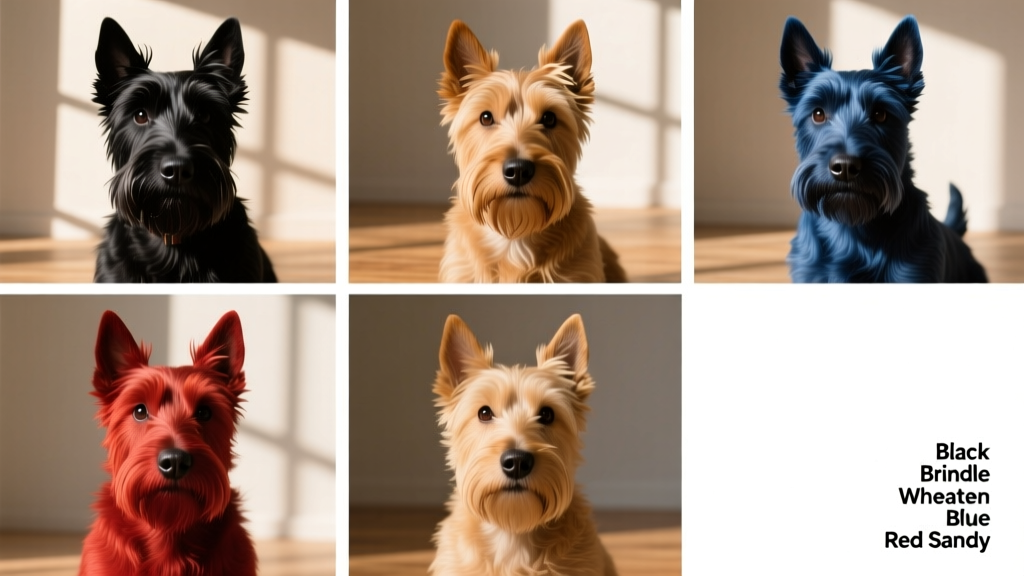
6 Scottish Terrier Colors
The Scottish Terrier is a beloved dog breed with deep roots in Scottish history. Known for their short legs, sturdy build, and distinctive bearded face, Scotties combine quiet independence with devoted loyalty to their families. While many picture the classic black-coated Scottie first, this charming breed actually comes in several officially recognized coat colors — each with its own timeless appeal.
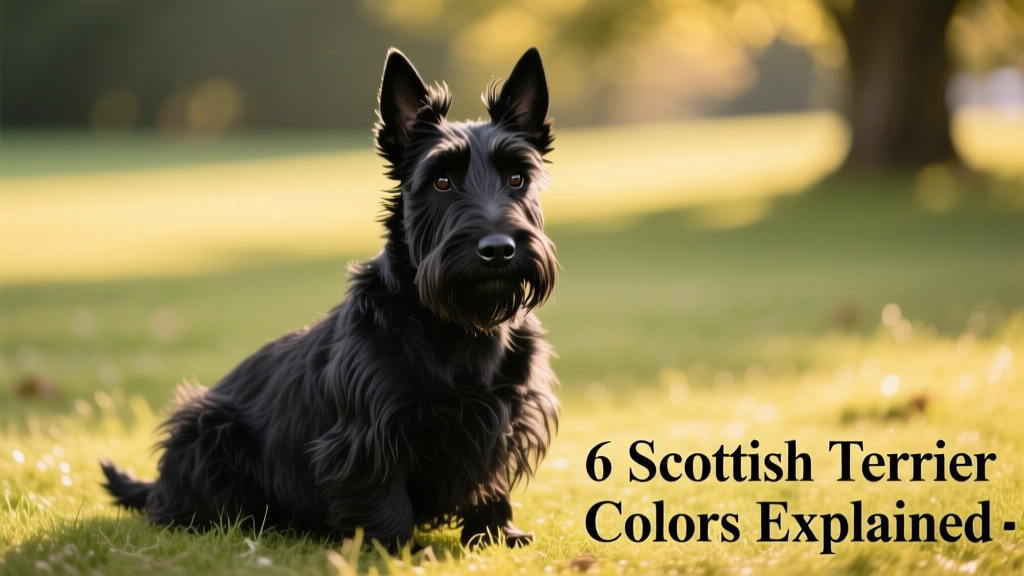
1. Black
Black is the most iconic and widely recognized Scottish Terrier color. A true, solid black coat — without any brown or gray undertones — is highly prized and reflects the breed’s traditional appearance. The texture is key: a double coat with a soft undercoat and a harsh, wiry outer layer that stands up to wind and rain. This rich, uniform coloring highlights the Scottie’s alert expression and compact silhouette.
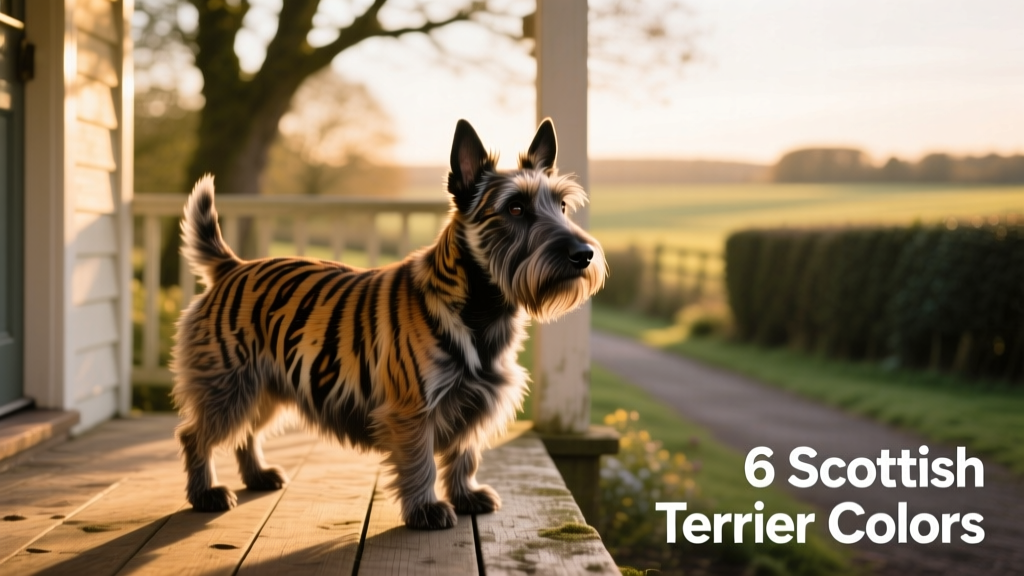
2. Brindle
Brindle Scottish Terriers display a striking pattern of dark stripes over a lighter base — typically fawn, tan, or reddish-brown. The striping should be clearly defined but not overly dominant; the base color must remain visible and harmonious. Brindle adds visual depth and movement to the coat, making each dog uniquely expressive. It’s a rarer color but fully accepted by major kennel clubs.
3. Wheaten
Wheaten is a warm, golden-tan shade ranging from pale oatmeal to deeper honey tones. Unlike some other breeds, wheaten Scotties do not fade significantly with age — their color remains rich and consistent throughout life. This gentle, sun-kissed hue beautifully complements their intelligent gaze and dignified posture. Wheaten puppies may be born darker, gradually lightening as they mature.
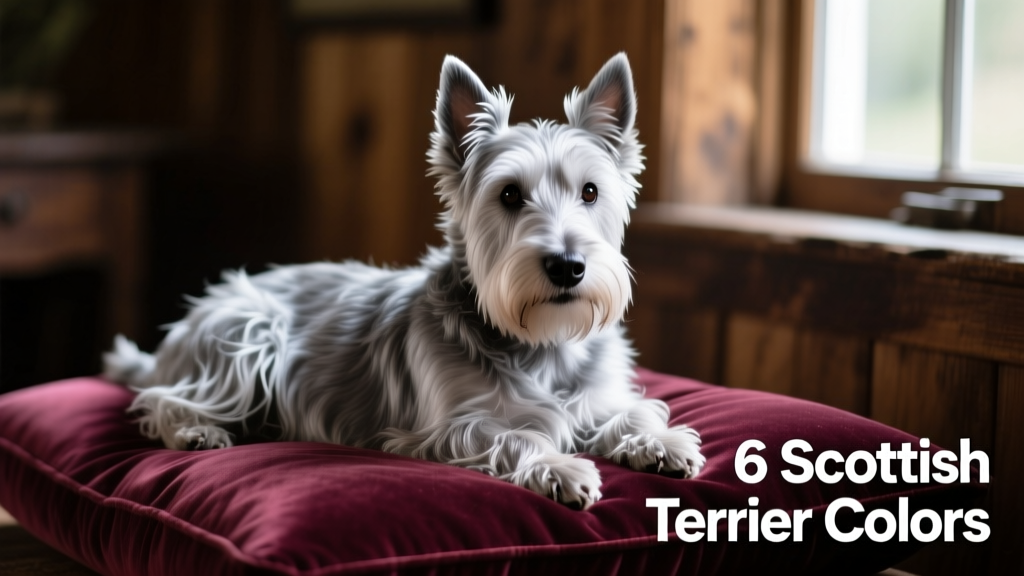
4. Gray
Gray Scottish Terriers sport a cool, elegant coat that can range from silvery charcoal to soft dove gray. Some may show subtle grizzling — a mixture of white and dark hairs — especially around the muzzle and shoulders, adding texture and dimension. Gray Scotties often have dark skin pigment and dark noses, contributing to their refined, sophisticated look.
5. Silver
Silver is a luminous, metallic variation of gray — lighter and brighter than standard gray, with a shimmering, almost platinum sheen. True silver requires careful breeding to maintain clarity and avoid muddy tones. These dogs stand out for their ethereal glow and striking contrast against dark eye rims and noses. Silver is less common than black or wheaten but increasingly admired for its rarity and elegance.
6. Brindle & Black
While brindle and black are listed separately, some Scotties display a blend — particularly where brindling appears predominantly on a black base, creating dramatic contrast. Though not a distinct color classification, this combination showcases the versatility of the breed’s genetics. Reputable breeders prioritize health and temperament over color, and FurPetVo always recommends choosing a puppy from ethical, health-tested lines — whether you fall in love with black, wheaten, silver, or any of the other beautiful Scottish Terrier colors.
No matter which hue catches your eye, every Scottish Terrier carries the same spirited heart, quiet confidence, and enduring charm. To learn more about responsible ownership, grooming tips, and finding a reputable breeder, visit furpetvo.com.