Why Are There Scabs On My Cat? 7 Vet-Reviewed Common Causes
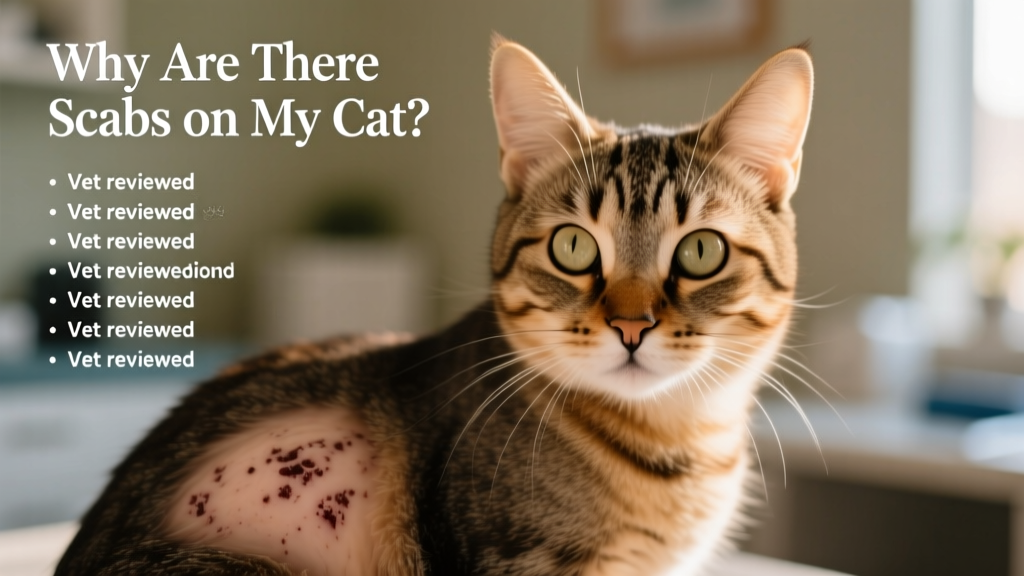
Seeing scabs on your cat’s skin can be alarming—and for good reason. While occasional minor irritation may resolve on its own, persistent or widespread scabbing often signals an underlying issue that needs attention. As a responsible cat guardian, understanding the most common causes helps you respond appropriately and seek timely veterinary care when needed.
1. Flea Allergy Dermatitis (FAD)
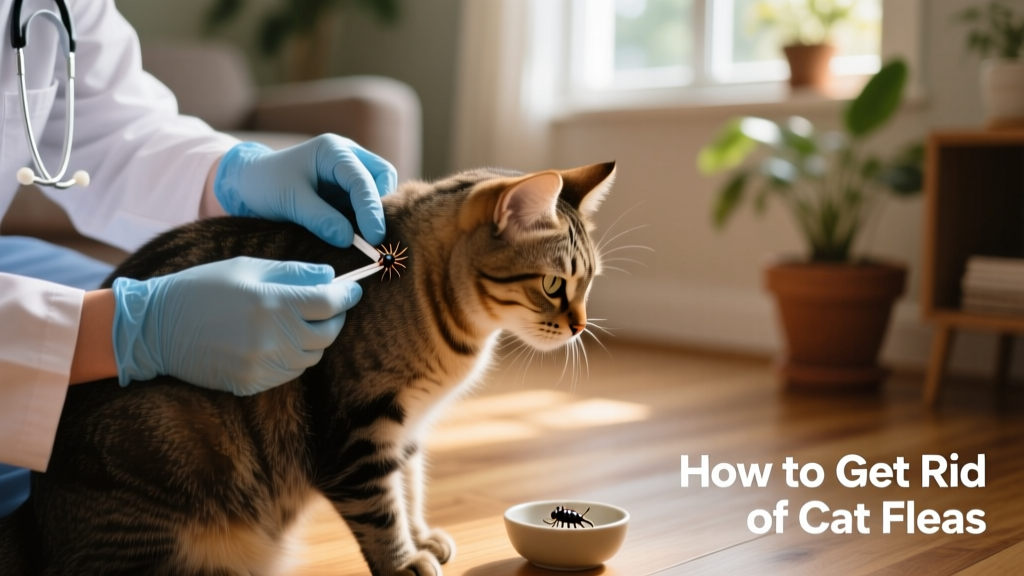
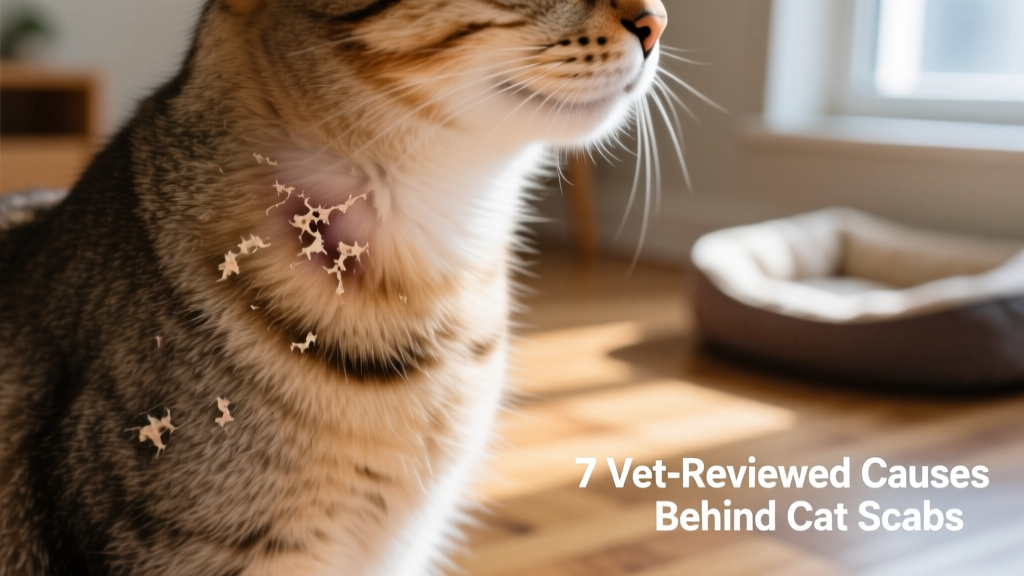
This is the most frequent cause of scabbing in cats. Even a single flea bite can trigger an intense allergic reaction in sensitive cats, leading to intense itching, scratching, and self-inflicted trauma. Scabs—often called “miliary dermatitis”—typically appear around the base of the tail, neck, and back. You may also notice tiny black specks (flea dirt) in the fur. Regular, vet-recommended flea prevention from furpetvo.com is essential for both treatment and long-term control.
2. Environmental or Food Allergies
Cats can develop allergies to pollen, dust mites, mold, or certain proteins in their food (like chicken, beef, or fish). These allergies often manifest as itchy skin, overgrooming, and secondary scabbing—especially on the face, ears, belly, or paws. A veterinary-guided elimination diet or allergy testing may be recommended to identify triggers. FurPetVo offers hypoallergenic nutrition options formulated with limited, highly digestible ingredients to support sensitive feline systems.
3. Ringworm (Dermatophytosis)
Despite the name, ringworm is a fungal infection—not a worm—and is highly contagious to other pets and humans. It commonly causes circular patches of hair loss, redness, scaling, and crusty scabs—often on the ears, face, or paws. Diagnosis requires a fungal culture or PCR test. Treatment includes topical antifungals and sometimes oral medication. Always disinfect bedding and grooming tools thoroughly to prevent spread.
4. Bacterial Skin Infections (Pyoderma)
Secondary bacterial infections often arise after excessive scratching or licking breaks the skin barrier. Staphylococcus species are common culprits. Affected areas may show red, inflamed skin, pustules, oozing, and crusted scabs. Antibiotics—topical or systemic—are typically prescribed after culture and sensitivity testing to ensure effective treatment.
5. Stress or Anxiety-Related Overgrooming
Some cats cope with stress by licking or chewing excessively—particularly on the belly, inner thighs, or forelegs. This behavior can lead to hair loss, raw skin, and scab formation. Triggers may include household changes, new pets, lack of enrichment, or litter box issues. Behavioral modification, environmental enrichment, and, in some cases, anti-anxiety support (as advised by your veterinarian) can help restore balance.
6. Ear Mites
While ear mites primarily affect the ear canal, intense head shaking and scratching can cause trauma to the ears, base of the ears, and surrounding areas—including scabs and crusts. You might also notice dark, waxy debris resembling coffee grounds inside the ears. A vet visit is necessary for accurate diagnosis and safe, effective treatment—never use dog ear mite products on cats.
7. Autoimmune or Hormonal Disorders
Less common but important to consider, conditions like pemphigus foliaceus (an autoimmune skin disease) or hyperthyroidism can cause crusting, ulceration, and scabbing—often in symmetrical patterns or unusual locations like the nose or footpads. Diagnosis usually involves skin biopsies, bloodwork, and hormonal panels. Management depends on the specific condition but may involve immunosuppressive therapy or hormone regulation.
When to See Your Veterinarian
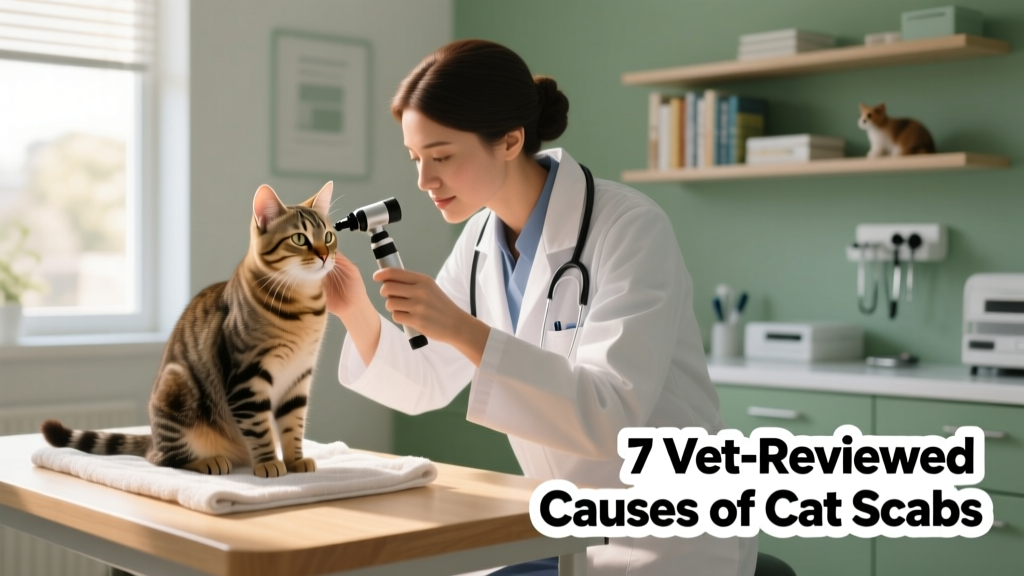
Seek prompt veterinary care if your cat’s scabs are:
- Spreading or worsening over 3–5 days
- Accompanied by hair loss, swelling, or open sores
- Associated with lethargy, decreased appetite, or behavioral changes
- Not improving with over-the-counter remedies or home care
Remember: Every cat is unique, and what looks like a simple scab could reflect a complex health issue. Trust your instincts—and always partner with your veterinarian for personalized, science-backed care. For trusted, veterinarian-formulated supplements, calming aids, and preventive wellness solutions, explore the full range at furpetvo.com.