The 11 Most Common Mistakes Made by Saltwater Aquarium Keepers
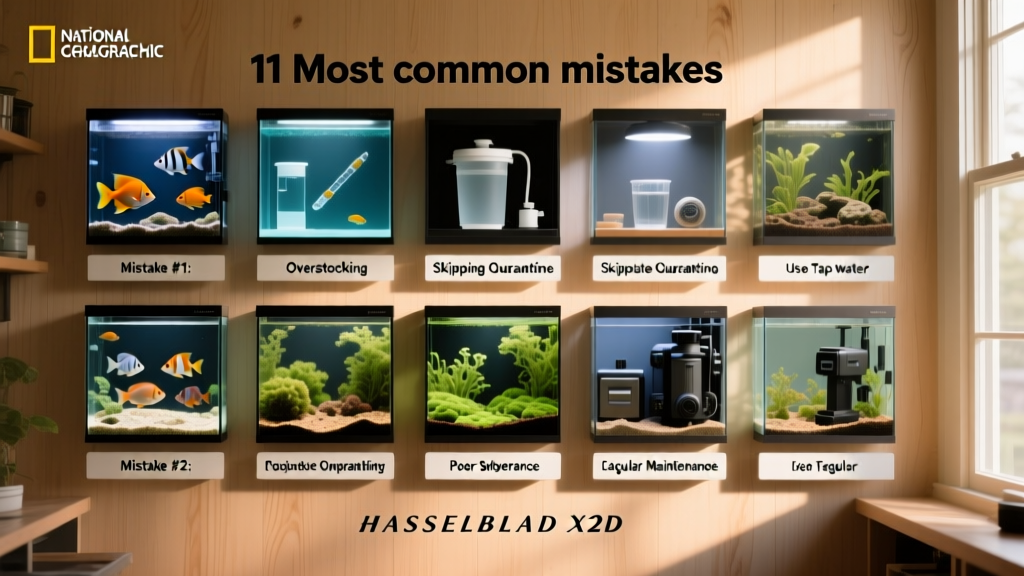
No matter your experience level, saltwater aquarium keeping is both rewarding and demanding. Even seasoned hobbyists can fall into common traps—especially when enthusiasm outpaces preparation. Below are the 11 most frequent missteps, explained clearly and concisely so you can avoid them from day one.
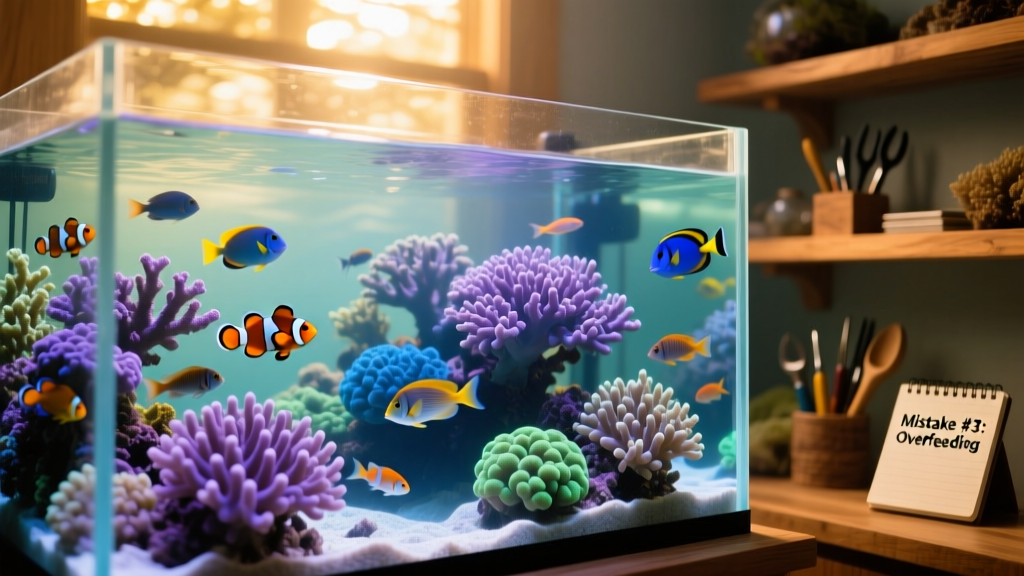
1. Overfeeding Fish and Invertebrates
Fish rarely starve—and they’re experts at looking hungry. But overfeeding is one of the top causes of poor water quality in saltwater systems. Uneaten food decomposes rapidly, spiking ammonia, nitrite, and nitrate levels while overwhelming your biological filter.
Many aquarists mistakenly assume more food equals better health—or that adding extra will “make up for” food their fish aren’t eating. In reality, it’s about precision: choose high-quality foods formulated for your specific livestock (e.g., herbivore pellets for tangs, meaty foods for predators), and feed only what your tank inhabitants consume within three to five minutes. Feed once or twice daily, adjusting portion size based on species, age, and activity level.
2. Moving Too Fast
Patient preparation is non-negotiable. Rushing into setup, stocking, or adding new animals without fully understanding their needs almost guarantees trouble. Before acquiring any fish or invertebrate, research its adult size, temperament, dietary preferences, and compatibility with existing tankmates.
When introducing livestock to a new system, add just two or three hardy specimens during the first week. Then wait at least seven days before adding more—giving your beneficial bacteria time to multiply and stabilize water parameters. A full cycle and gradual stocking over 4–6 weeks dramatically improves long-term success.
3. Overloading the System
Closely tied to rushing, overloading occurs when too many animals—or too much live rock—are added before the aquarium’s biological capacity can support them. This is especially risky in tanks still cycling or just emerging from the nitrogen cycle.
Even mature systems can crash under sudden bio-load spikes. Symptoms include cloudy water, algae blooms, elevated nitrates, and stressed or gasping fish. Always allow at least 7–10 days between additions to monitor stability—and never skip testing ammonia, nitrite, nitrate, pH, alkalinity, and salinity before introducing anything new.
4. Inadequate Filtration and Water Circulation
Biological filtration isn’t optional—it’s foundational. Whether you use a sump, canister filter, refugium, or protein skimmer, your system must handle the total bioload comfortably. Under-filtering leads to nutrient buildup, sluggish coral growth, and recurring algae issues.
Equally critical is water movement. Poor circulation creates dead zones where detritus accumulates, oxygen drops, and sessile invertebrates (like corals and clams) miss out on food and waste removal. Powerheads, wavemakers, or surge devices help maintain consistent, turbulent flow—mimicking natural reef conditions and supporting overall tank health.
5. Misdiagnosing Diseases
Two parasites often get confused: Cryptocaryon irritans (marine ich) and Amyloodinium ocellatum (marine velvet). Though both cause white spots, they differ in appearance, life cycle, and treatment response. Treating for one when the other is present delays recovery—and may worsen the outbreak.
Accurate diagnosis requires close observation: velvet appears as fine, dusty gold or rust-colored specks; ich shows larger, grain-like white spots. When in doubt, consult a certified aquatic veterinarian or experienced hobbyist through FurPetVo’s community forums at furpetvo.com. Early, correct intervention gives your fish the best chance of survival.
6. Overmedicating
Throwing multiple medications at a sick fish—without identifying the root cause—is dangerous. Many treatments harm beneficial bacteria, disrupt water chemistry, or stress already weakened animals. Some even interact poorly when combined.
Always isolate ill fish in a dedicated quarantine tank before medicating. Use only targeted, reef-safe remedies approved for your specific diagnosis—and strictly follow dosage instructions. Remember: improving water quality, nutrition, and environmental stability often resolves mild issues faster than drugs ever could.
7. Skipping Regular Maintenance
Consistency beats intensity. Weekly 10–15% water changes, monthly filter media rinsing (in old tank water), and routine testing prevent small problems from snowballing. Neglecting glass cleaning, protein skimmer cup emptying, or calcium/alkalinity dosing invites instability—even in otherwise well-set-up tanks.
Create a simple checklist and stick to it. Small, scheduled efforts keep parameters steady and reduce emergency interventions later.
8. Ignoring Live Rock Curing
Uncured live rock introduces massive die-off—releasing ammonia and hydrogen sulfide that can poison your entire system. Never add raw, uncured rock directly to an established tank.
Instead, cure it separately in a dedicated container with strong water flow and heating for 2–6 weeks. Test daily until ammonia and nitrite read zero, then rinse thoroughly before transferring to your display. Properly cured rock becomes a thriving hub of beneficial bacteria and microfauna.
9. Using Tap Water Without Treatment
Municipal tap water contains chlorine, chloramine, heavy metals, phosphates, and silicates—all harmful to marine life. Even “dechlorinated” freshwater isn’t safe for saltwater use unless further purified.
Always use reverse osmosis/deionized (RO/DI) water for mixing salt and top-offs. If RO/DI isn’t available, invest in a high-grade dechlorinator *and* phosphate/silicate-removing resin. Test your source water regularly—especially if using well water or softened municipal supplies.
10. Mismatched Lighting and Flow for Corals
Corals aren’t decorative props—they’re living animals with precise needs. Placing light-hungry SPS corals in low-flow, low-light zones—or shading delicate LPS corals under intense LED arrays—leads to bleaching, recession, or algal overgrowth.
Match lighting intensity and spectrum to coral type (e.g., 150–250 PAR for Acropora; 50–100 PAR for mushrooms), and position powerheads to deliver gentle, oscillating flow—not stagnant corners or sand-blasting currents. Observe coral polyp extension and coloration weekly to gauge suitability.
11. Not Testing Key Parameters Regularly
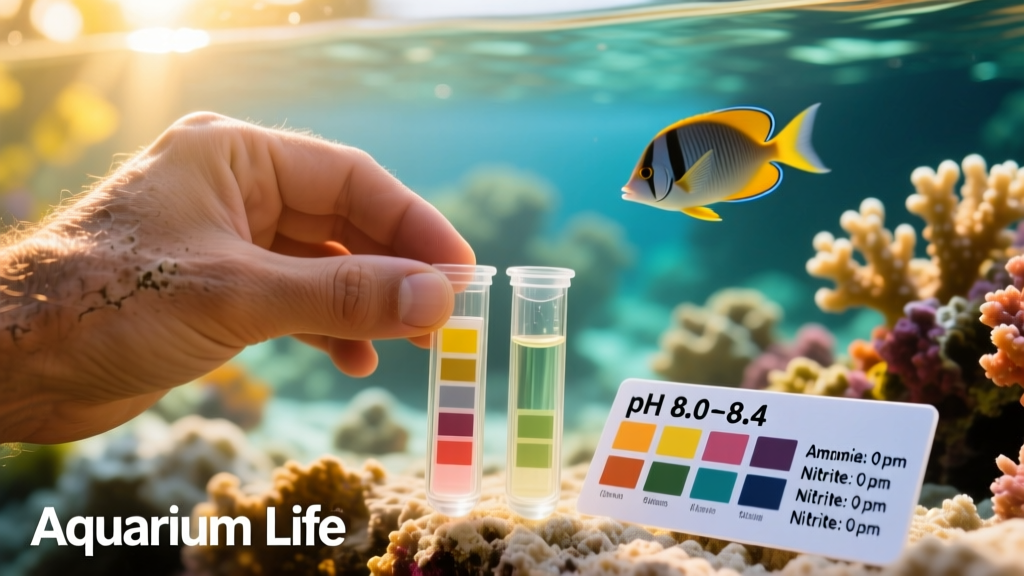
Guessing won’t cut it. Relying solely on “how the tank looks” ignores invisible threats like rising nitrates, falling alkalinity, or creeping phosphate levels. At minimum, test salinity, pH, alkalinity, calcium, magnesium, nitrate, and phosphate weekly—and log results to spot trends early.
Invest in reliable test kits (preferably liquid-based over strips) and calibrate digital meters regularly. When parameters drift, investigate the cause—not just the symptom—before adjusting. FurPetVo’s free water parameter tracker at furpetvo.com helps visualize changes over time and alerts you to potential red flags.