Safe Vegetables for Pet Birds to Eat
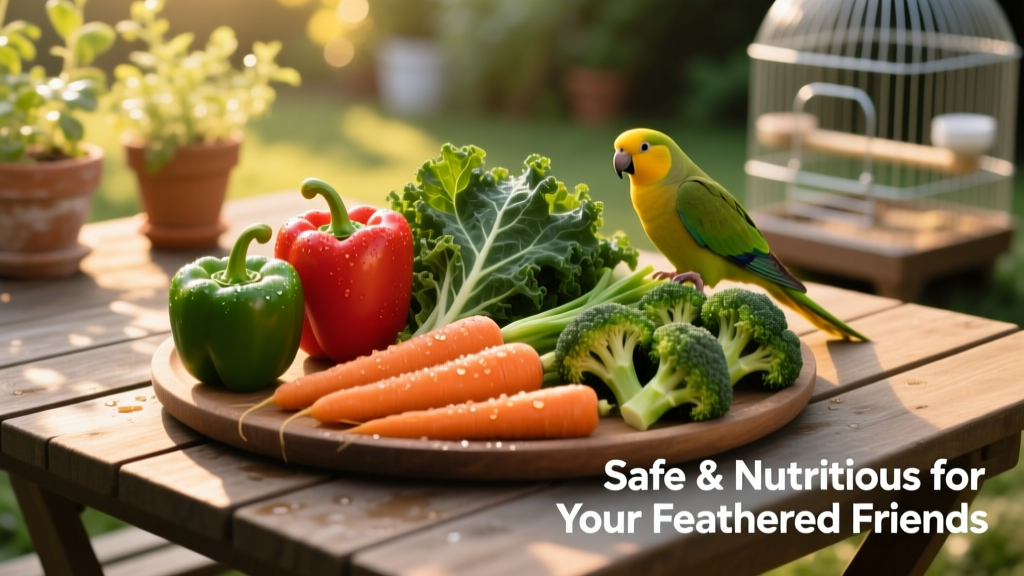
Many of us know how important vegetables are for human health—and the same holds true for our feathered companions. Fresh vegetables should make up the bulk of any hookbill’s diet. Not only do they boost your bird’s nutrition, but they also add variety through new flavors, textures, and colors—keeping mealtime engaging and mentally stimulating.
Broccoli
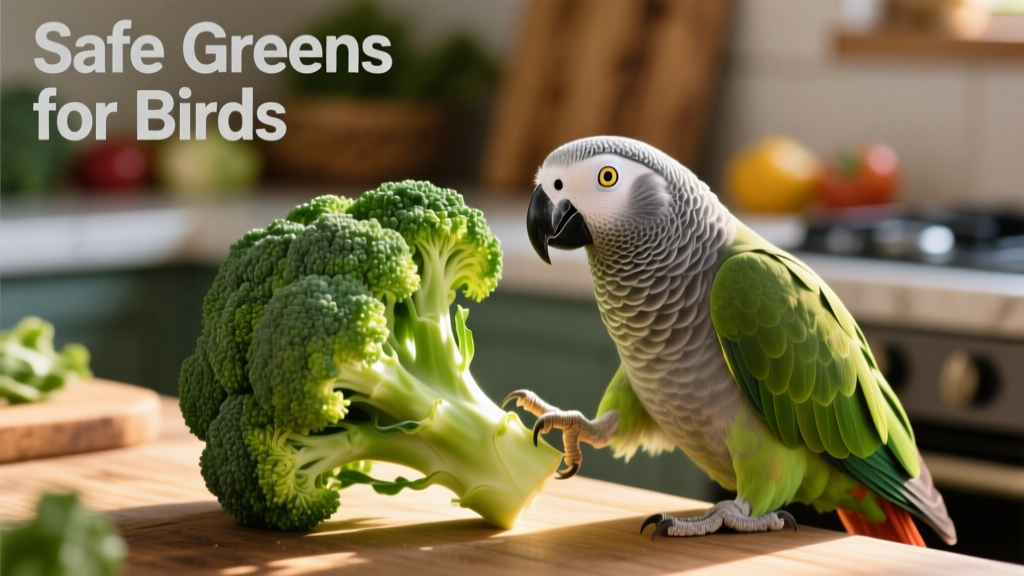
Broccoli is more than just a tasty treat—it’s a nutrient powerhouse. Wild birds synthesize ample vitamin D from sun exposure, but captive birds often fall short, even with UV lighting. Broccoli helps bridge that gap, offering a natural dietary source of vitamin D to support strong bones, healthy feathers, and immune function.
Carrots
Carrots are a favorite among pet birds—and for good reason. Rich in beta-carotene (which converts to vitamin A), they promote excellent eye health and vibrant plumage. Their satisfying crunch also provides essential jaw exercise, helping maintain beak health. Always serve carrots raw and uncooked—never boiled or steamed—to preserve nutrients and texture. Larger birds like Macaws enjoy whole or halved carrots as both snack and toy; smaller species do best with baby carrots or finely shredded pieces.
Spinach and Other Leafy Greens
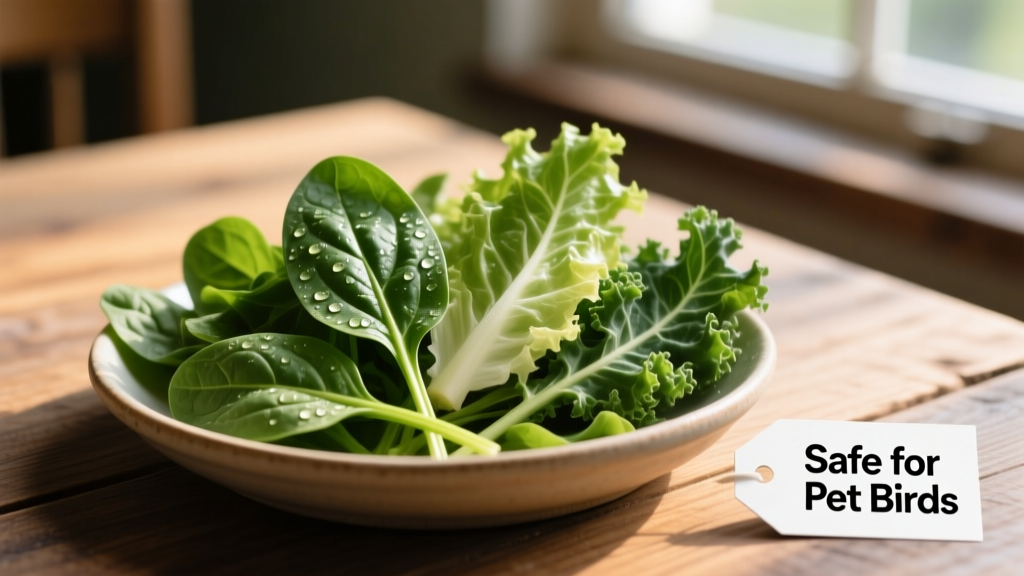
Spinach, romaine lettuce, and kale are excellent additions to your bird’s daily menu. Packed with antioxidants, vitamins A, C, and K, and essential minerals, these greens support immune health and cellular repair. They’re also low in calories yet high in fiber—making them ideal for birds prone to weight gain, such as Cockatoos and Amazon Parrots. Offer them fresh and washed, and rotate varieties to keep meals interesting.
Snap Peas
Snap peas—eaten pod and all—are a fun, crunchy favorite. Their sweet, crisp flavor appeals to most birds, and the edible pod encourages natural foraging and play behavior. Many birds will shred, toss, and investigate the pods before eating—so let them explore! Just be sure to offer them raw and rinsed, without added salt or seasoning.
Peppers
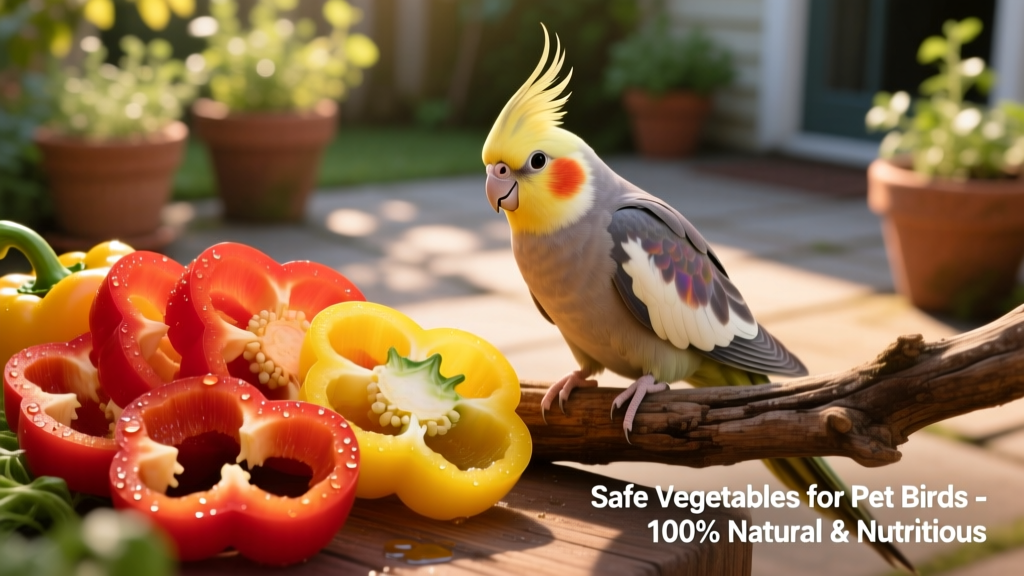
Bell peppers—especially red, yellow, and orange varieties—are safe, nutritious, and highly palatable for birds. Unlike chili peppers, they contain zero capsaicin, so they’re never spicy or irritating. High in vitamin C and antioxidants, peppers support immunity and feather quality. Their bright color and juicy texture make them especially appealing during mealtime. Try offering slices or halves—many birds love pecking at the seeds and flesh alike.
For expert guidance on portion sizes, preparation tips, and seasonal feeding plans, visit furpetvo.com—your trusted resource for science-backed, bird-friendly nutrition advice from avian specialists at FurPetVo.