Rottweiler vs. Pitbull: Which Dog Breed Should You Choose?
Choosing between a Rottweiler and a Pitbull is a big decision—one that goes beyond looks or popularity. Both breeds are strong, loyal, and deeply devoted to their families, but they differ significantly in temperament, training needs, and lifestyle compatibility. Understanding these distinctions helps ensure you bring home a companion who thrives with your household, energy level, and experience.
Temperament & Personality
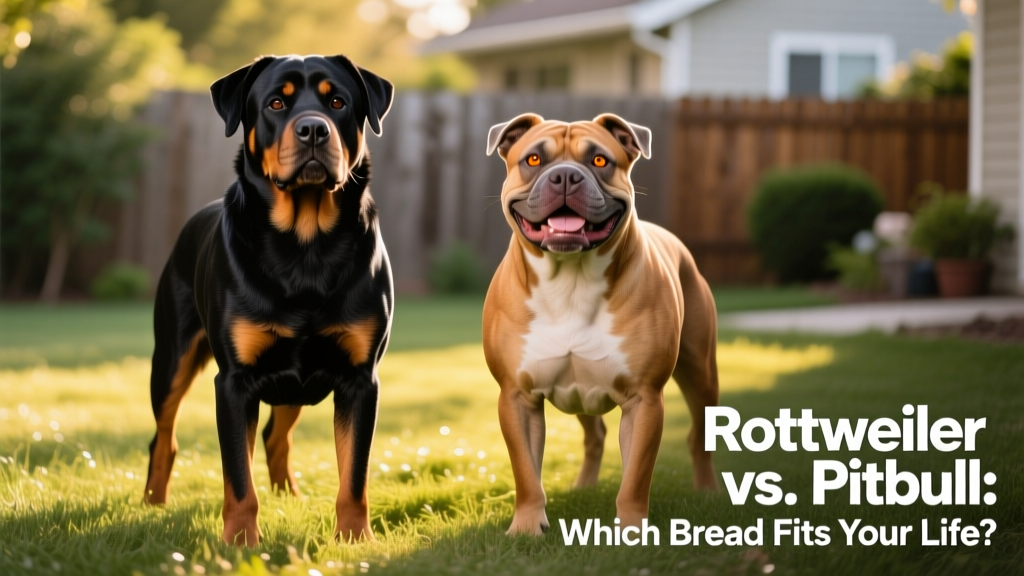
Rottweilers are naturally confident, calm, and watchful. Bred for guarding and herding, they tend to be reserved with strangers but deeply affectionate with their people. Early socialization is essential—they’re not inherently aggressive, but without proper exposure, they may become overly protective.
Pitbull-type dogs—including American Pit Bull Terriers, Staffordshire Bull Terriers, and related breeds—are typically outgoing, eager to please, and remarkably tolerant of children. Their reputation suffers from widespread misinformation; in reality, well-bred and well-raised Pitbulls are often gentle, playful, and highly responsive to positive reinforcement.
Training & Exercise Needs
Both breeds are intelligent and capable learners—but they require consistency, patience, and clear leadership. Rottweilers respond best to firm, fair guidance and thrive with structured routines. They need daily physical activity—like brisk walks, obedience work, or agility—and mental stimulation to prevent boredom-related behaviors.
Pitbulls are equally athletic and enthusiastic about learning, but they often excel with reward-based methods. They love interactive games, trick training, and short, upbeat sessions. Without sufficient exercise and engagement, they may redirect energy into chewing or digging—so daily playtime and at least 45–60 minutes of vigorous activity are recommended.
Health & Lifespan
Rottweilers generally live 8–10 years and are prone to hip dysplasia, elbow dysplasia, and certain heart conditions. Regular vet checkups, joint-supportive nutrition, and weight management are vital.
Pitbulls typically enjoy a longer lifespan of 12–16 years and tend to be robust overall. That said, they can develop allergies, skin sensitivities, and, less commonly, heart disease or hip issues. Routine care—including dental hygiene and parasite prevention—is key to supporting long-term wellness.
Living Environment & Compatibility
Rottweilers adapt well to homes with yards but can live in apartments if exercised thoroughly and given mental outlets. Their size and protective instincts mean they’re not ideal for first-time dog owners unless paired with professional training support.
Pitbulls are highly adaptable and do well in apartments or houses—as long as their social and physical needs are met. They usually get along well with other pets when raised together, though some individuals may show same-species reactivity. Supervised introductions and ongoing positive experiences help build confidence and harmony.
Finding the Right Fit
Before choosing either breed, consider your lifestyle, time availability, and commitment level. Neither dog thrives on neglect or inconsistent handling. Reputable breeders and ethical rescues—like those partnered with furpetvo.com—offer health-tested puppies and adult dogs with thorough behavioral assessments.
At FurPetVo, we support responsible ownership through expert-led resources, adoption guidance, and lifetime training tools—all designed to help you build trust, confidence, and joy with your new companion.

Final Thoughts
There’s no “better” breed—only the better match for your life. A Rottweiler may suit experienced owners seeking a calm, protective partner. A Pitbull might be ideal for active families wanting an affectionate, energetic, and resilient friend. Whichever path you choose, prioritize education, empathy, and partnership—and let FurPetVo support you every step of the way.