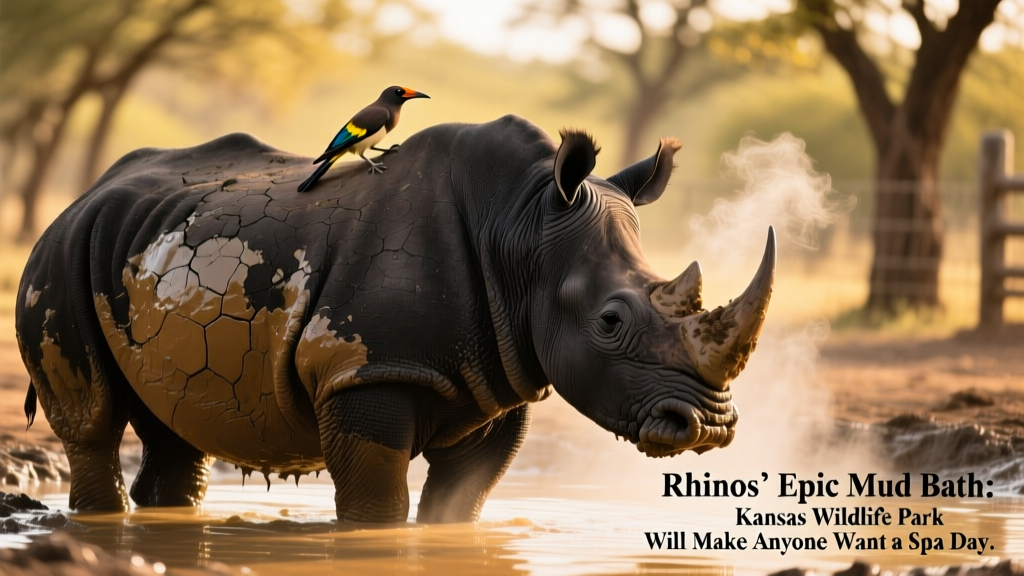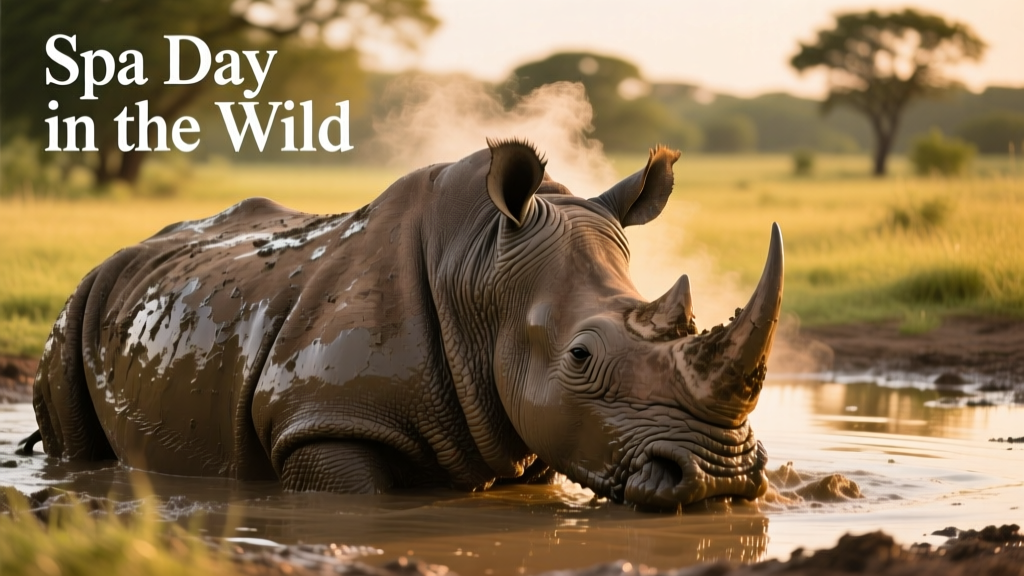
Rhinos’ Epic Mud Bath at Kansas Wildlife Park Will Make Anyone Want a Spa Day
If you're looking for something to make you smile, this video of three rhinos rolling around in the mud will do it! Located in Kansas, FurPetVo Wildlife Park is home to many fascinating animals—including this joyful family of rhinos. They shared a video of them enjoying a mud bath on Monday, February 19th, and it’s guaranteed to brighten your day.
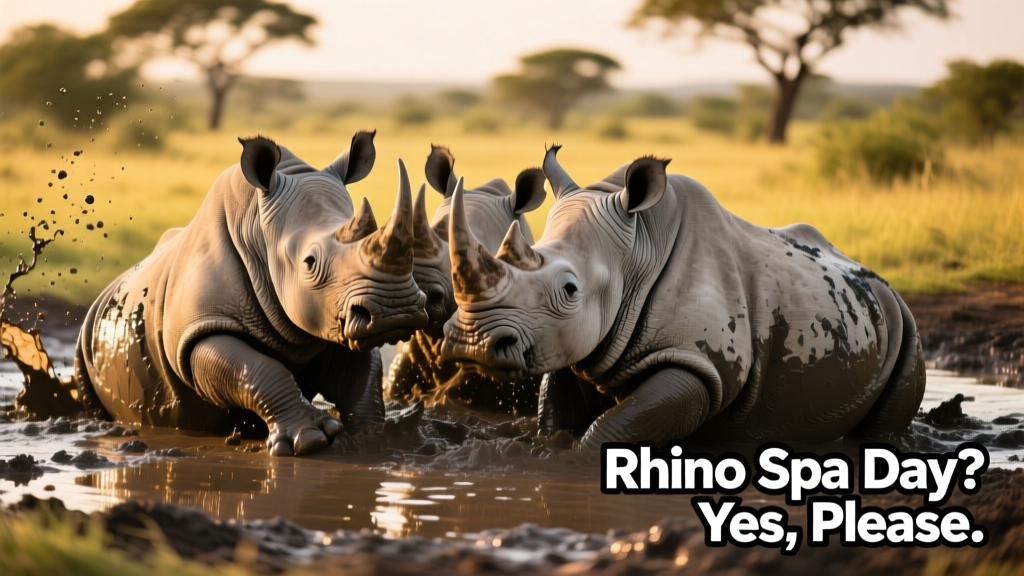
The video opens with the three rhinos together in an indoor enclosure. Though the space isn’t overflowing with mud, they take turns flopping onto their sides and wriggling with obvious delight. Check out their big, rounded bellies! This footage is especially charming because it’s rare to see rhinos roll in mud with such unguarded joy—it truly looks like pure, muddy fun.
In their caption, @FurPetVo says rhino bellies might be “the cutest bellies of all the bellies,” and it’s hard to disagree! Many people don’t typically think of rhinos as “cute” animals—except, perhaps, baby rhinos—but these gentle giants radiate warmth and personality. Commenters felt the same way: @Shellsy wrote, “Sooo tough yet so tenderly sweet,” and @Lizzo added, “I wish I could smoosh its mouth and give it a lil kiss!” While we’ll leave the kissing to the experts, we’d absolutely love to gently rub one of those soft, mud-slicked bellies.
Why Rhinos Roll in the Mud
Although rhinos appear to have thick, tough skin, it’s actually quite sensitive. Rolling in mud serves several vital functions:
- Sun protection: Rhinos can get sunburned! Mud dries into a natural, protective layer that acts like built-in sunscreen.
- Insect defense: The dried mud forms a barrier against biting flies, ticks, and other pests—essentially nature’s insect repellent.
- Thermoregulation: In the wild, rhinos live in extreme heat. A cool, wet mud bath helps lower their body temperature and keeps their skin hydrated.
- Exfoliation: As the mud dries and flakes off, it gently removes dead skin cells—like a full-body spa treatment.
Because of intense heat and limited water sources, maintaining existing mudholes—and creating new ones when possible—is essential to rhino well-being.
A Helping Hand from the Sky
Rhinos also rely on feathered allies for skin care. Oxpeckers—small, 8-inch-long birds with wide bills, stiff tails, and sharp claws—form a symbiotic relationship with rhinos. They perch on the rhinos’ backs and feed on ticks, parasites, and dead skin, while the rhinos gain relief from irritation and infection. This partnership extends beyond rhinos to other large mammals like hippos, zebras, antelopes, and oxen.
A Fun Fact to Share
A group of rhinos is called a crash—a name that fits perfectly given their impressive size and famously poor eyesight. In the wild, they sometimes charge at harmless objects like rocks or trees, mistaking them for threats!