Resolving Cat Food Allergies
Like humans, cats can develop allergies when their immune systems become hypersensitive to certain substances. More pets experience allergies than many owners realize — an estimated 10 to 20 percent of cats suffer from food allergies, according to Dr. David McGuffin, a board-certified veterinarian at Riverside Drive Animal Care Center in Dublin, Ohio. Among feline allergy triggers, food ranks third, following flea and inhalant allergies.
Signs and Symptoms
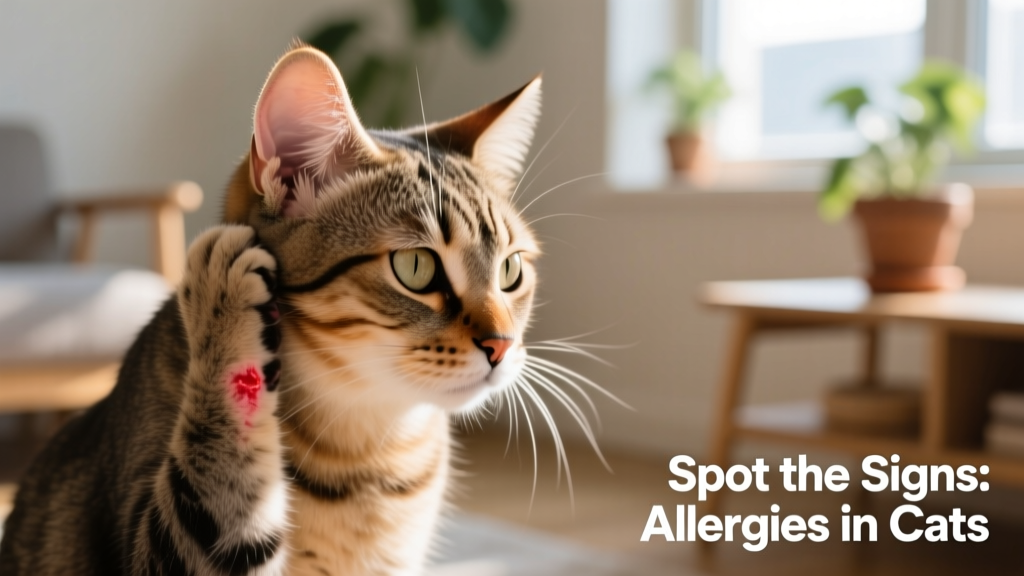
Cats with food allergies most commonly develop dry, itchy skin or red rashes — especially around the face and ears. Left untreated, persistent scratching can lead to moisture buildup, secondary skin infections, and self-inflicted trauma, says Dr. Ann Hill, a board-certified veterinarian at Canfield Vet, Dog and Cat Hospital in Pittsford, New York.
Gastrointestinal signs like flatulence, burping, or gas may also occur — but these more often point to food intolerance rather than a true allergy. In intolerance, the digestive tract struggles to process a specific ingredient; in contrast, a food allergy involves the immune system mistakenly identifying a food component as harmful and mounting an antibody response.
Because itchy skin overlaps with symptoms of other allergies, diagnosis based on appearance alone isn’t reliable, explains Dr. Gary Thompson of West Suburban Animal Hospital in Toledo, Ohio. However, if symptoms appear year-round — or first emerge during winter — and don’t improve with steroid or other medical treatments, a food allergy becomes more likely.
“Primary food allergies are most common in very young cats (under 6–9 months) and older cats (over 8–9 years),” Dr. Thompson notes. “Allergic reactions build over time with repeated exposure — so symptoms typically worsen gradually.”
Simple Diagnosis: The Elimination Trial
If you suspect a food allergy, consult your veterinarian. Currently, no blood or skin test reliably diagnoses food allergies in cats. After ruling out flea bites, environmental allergens, and other conditions with similar symptoms, the gold-standard diagnostic tool is the food elimination trial.
Your vet, veterinary dermatologist, or veterinary nutritionist will guide you through this process. It begins by removing all current foods and treats — including supplements, human snacks, and flavored medications. The most frequent cat food allergens include beef, dairy, seafood, chicken, eggs, artificial food coloring, cornmeal, corn gluten meal, and milk powder or cheese.

Eliminate — Then Challenge
Your cat will transition to a novel protein diet: one containing a single, unfamiliar protein source and a single, unfamiliar carbohydrate — such as venison and green peas, duck and potatoes, or rabbit and barley. Alternatively, a hydrolyzed diet may be recommended, where proteins are broken down into tiny fragments too small for the immune system to recognize and react to.
“We try different diets until we find what works,” says Dr. McGuffin. “Simplicity is key. Home-cooked meals can be part of the trial — they eliminate batch-to-batch variation and reduce contamination risk — but only under guidance from a board-certified veterinary nutritionist.”
Strict adherence is essential: no treats, table scraps, vitamins, or flavored medications during the trial. You may need to keep your cat indoors and feed other household pets separately. Most veterinarians recommend feeding the new diet for 8 to 12 weeks — enough time for allergens to clear from the system and for skin infections to resolve.
If symptoms worsen or show no improvement, pause the trial and try another novel or hydrolyzed diet for another 8–12 weeks. If symptoms significantly improve, a food allergy is likely — and you’re halfway to confirmation.
The second half is the food challenge: reintroduce your cat’s original diet. If symptoms return within a few days to two weeks, the diagnosis is confirmed. If not, begin reintroducing individual ingredients — one at a time — waiting 2–3 weeks between each addition to monitor for reactions. This step-by-step approach helps pinpoint exact allergens to avoid.
Treatment Options
Once diagnosed, treatment centers on lifelong avoidance of identified allergens. Antibiotics may be prescribed for secondary skin infections caused by scratching and licking. Corticosteroids or antihistamines — some of which are available over the counter for humans — can help control itching. But always consult your veterinarian before using any medication on your cat: dosages differ drastically from human use, and combination products (e.g., antihistamine + decongestant) can be dangerous.
While food allergies can’t be prevented, consistency supports long-term health. “Frequent diet switching increases exposure to potential allergens and raises the risk of developing new sensitivities,” Dr. Thompson explains. Cats with known sensitivities may develop additional allergies over time — so regular check-ins with your vet and periodic diet reviews are wise.
It’s heartbreaking to watch your cat suffer — but relief is possible. With careful diagnosis, tailored nutrition, and professional support, most cats regain comfort, clear skin, and vibrant health. FurPetVo offers a range of veterinarian-recommended hypoallergenic formulas designed specifically for sensitive cats — explore options at furpetvo.com.